Climate Change
The Facts
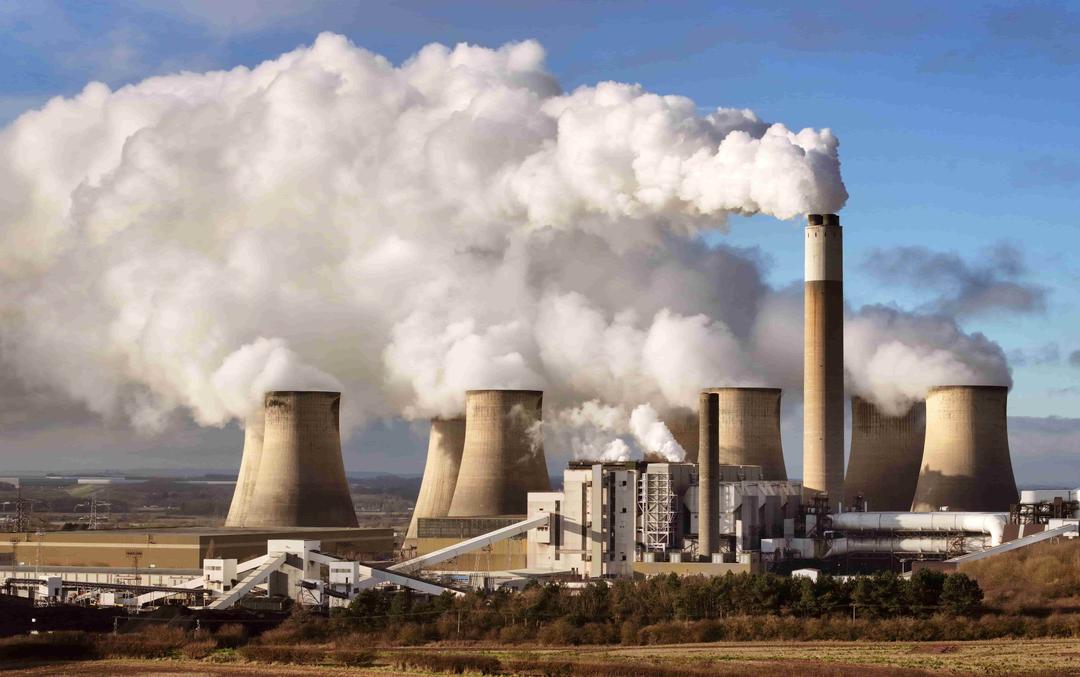
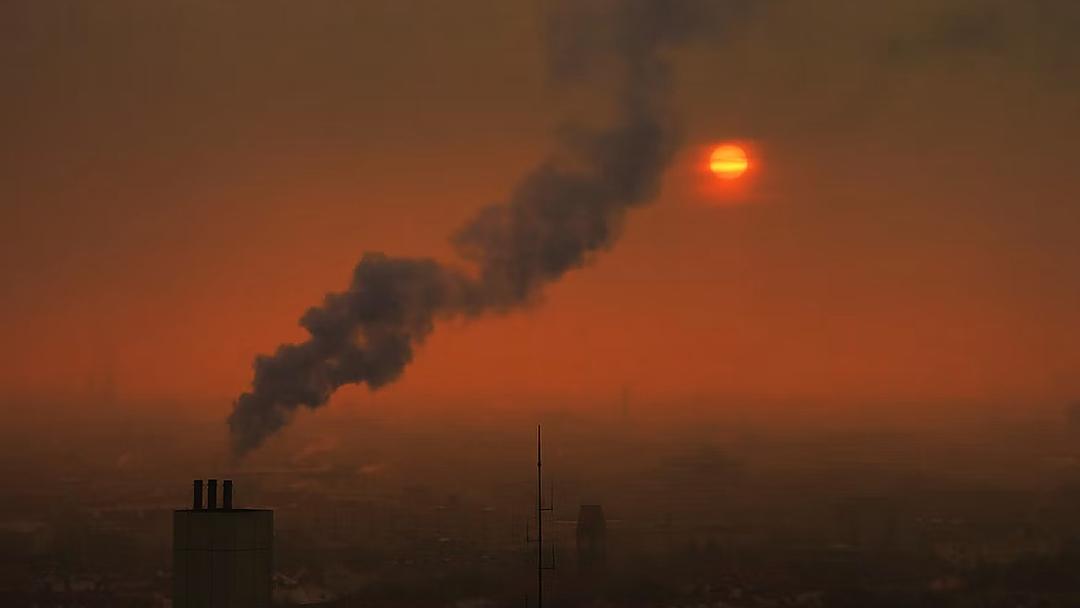
- Definition: Climate change refers to long-term shifts in global or regional weather patterns. Since the pre-industrial era, global temperatures have reportedly risen by approximately 1.1°C. Mainstream research largely attributes this to anthropogenic (human) activities — such as burning fossil fuels, deforestation, and industrial processes — which increase greenhouse gases like carbon dioxide and methane. These are believed to contribute to warming by trapping heat. However, a minority of scientists question whether warming is overstated or models exaggerate human influence.
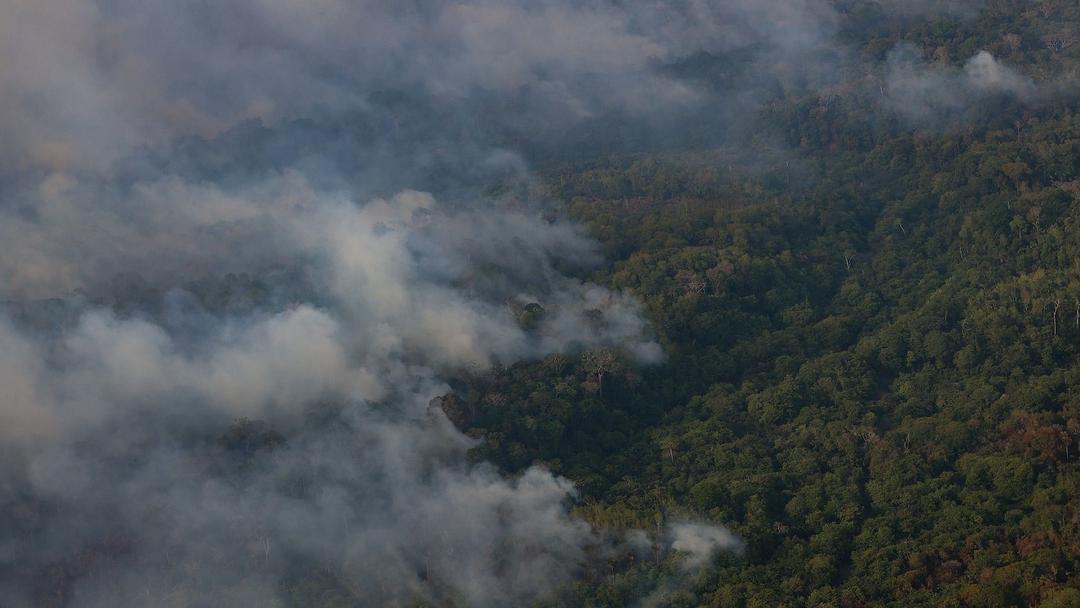
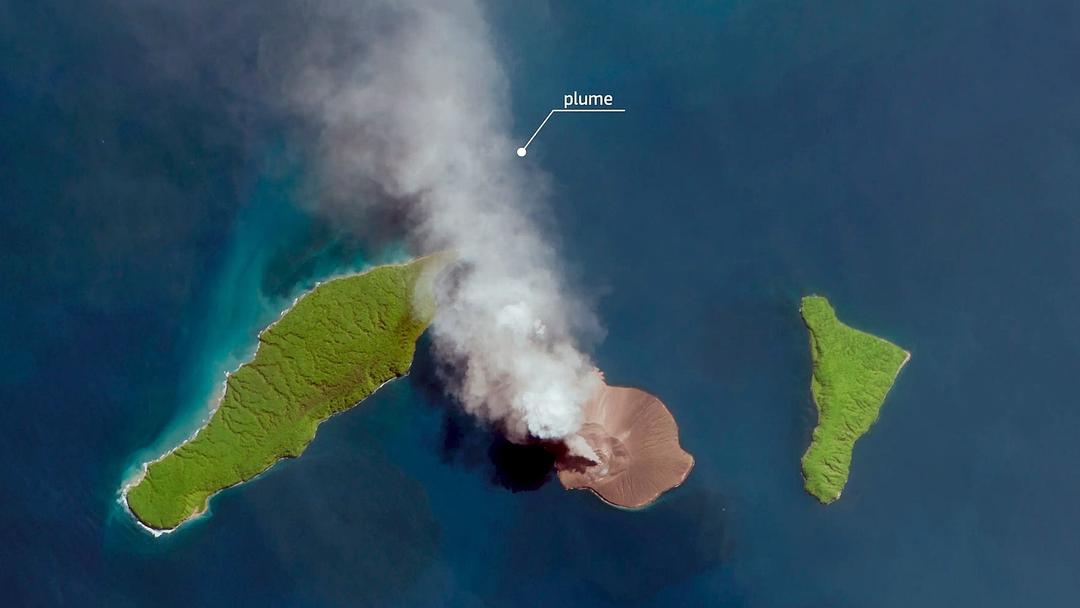
- Anthropogenic Processes: Industrialized nations, particularly the U.S., China and Europe, have historically contributed most to carbon emissions. Since 1850, global CO₂ emissions have risen over 40%, with the energy sector responsible for about 73%. Developing nations like India are increasing emissions, but remain low per capita. Deforestation and agriculture also contribute significantly, while natural factors such as solar, volcanic, and ocean cycles are also studied. Some researchers argue these variations may play a greater role than currently assumed.
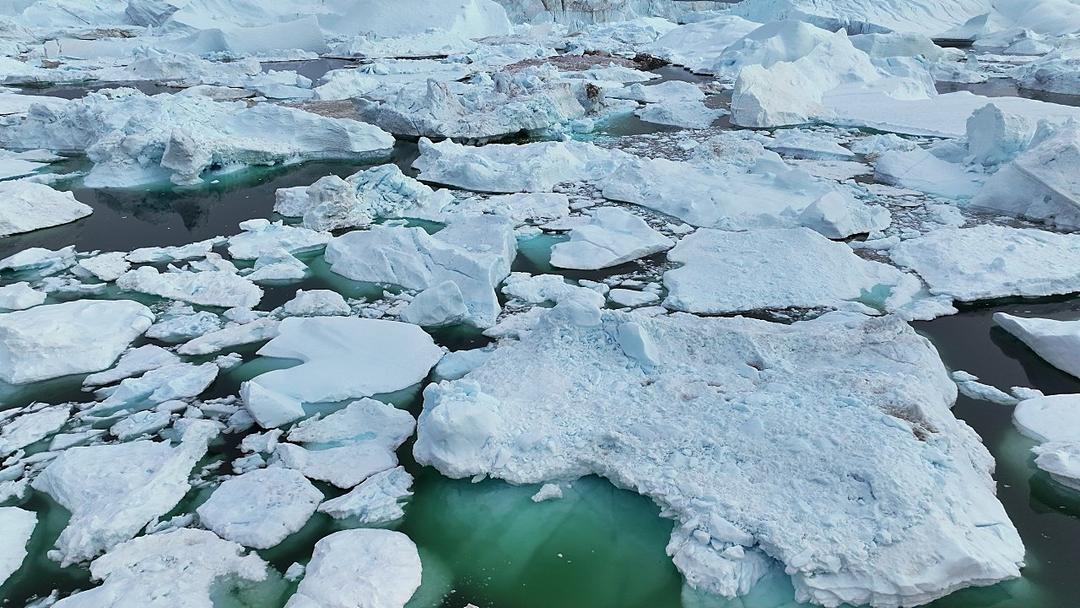
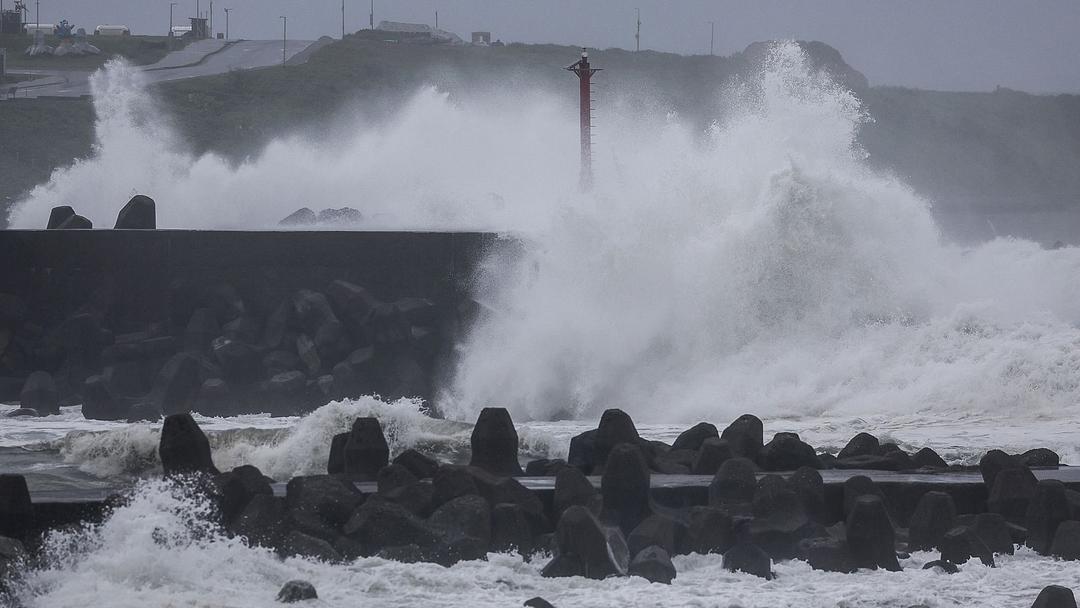
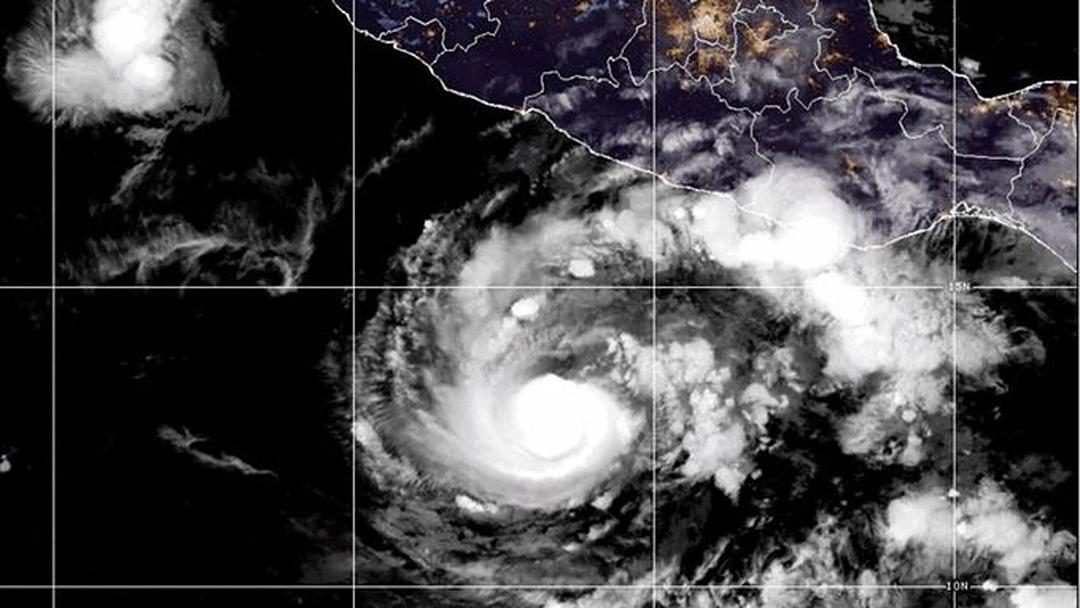
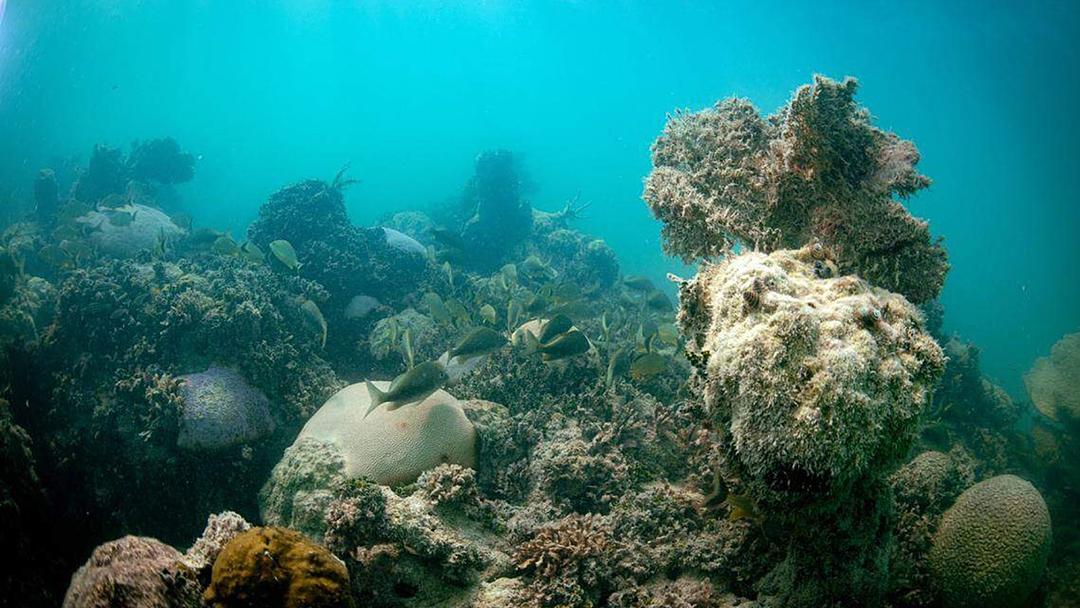
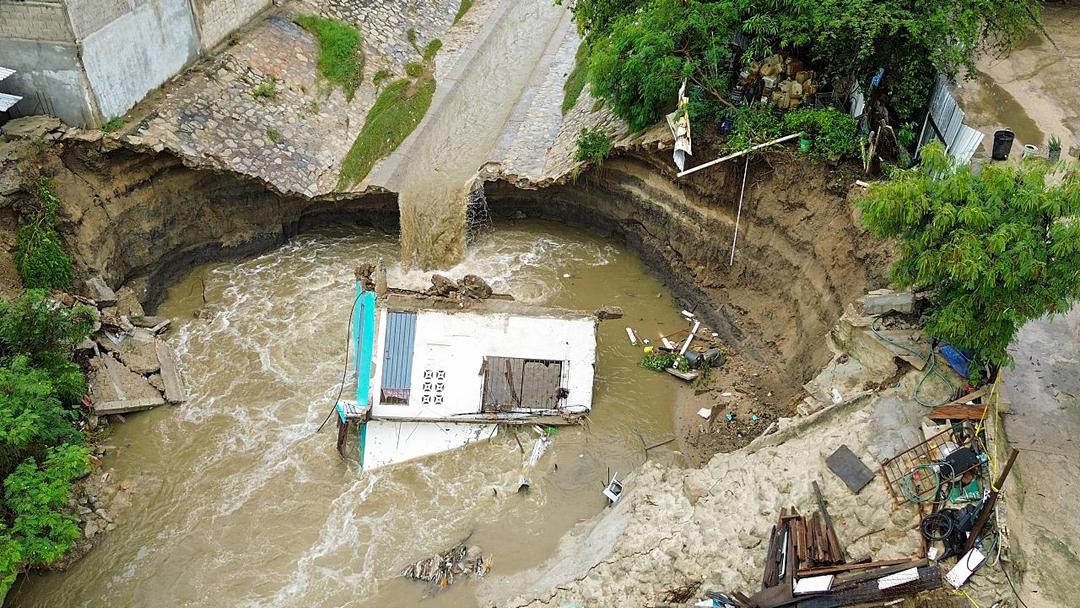
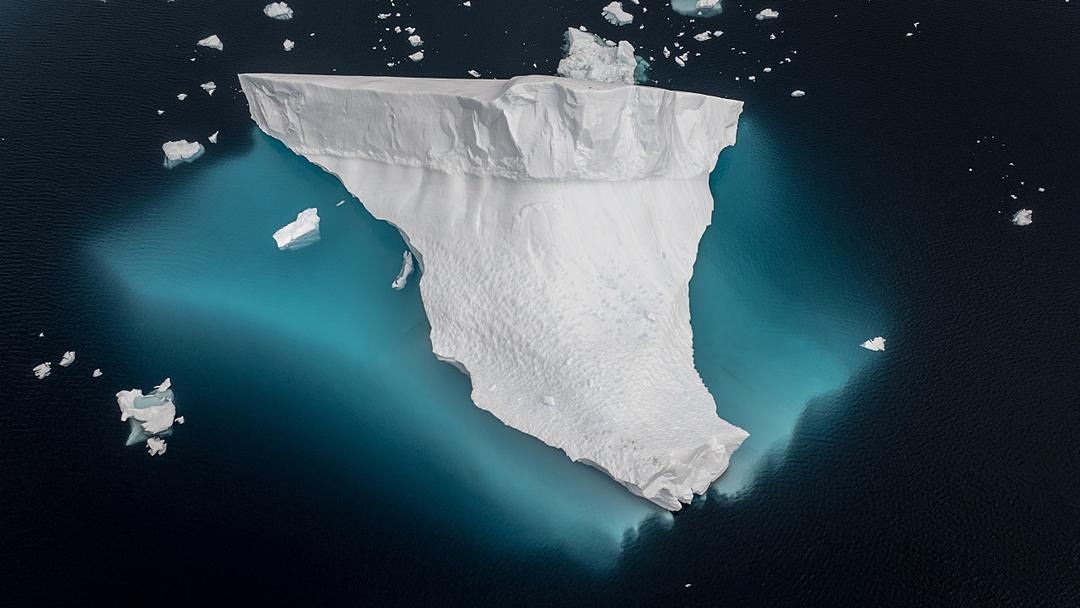
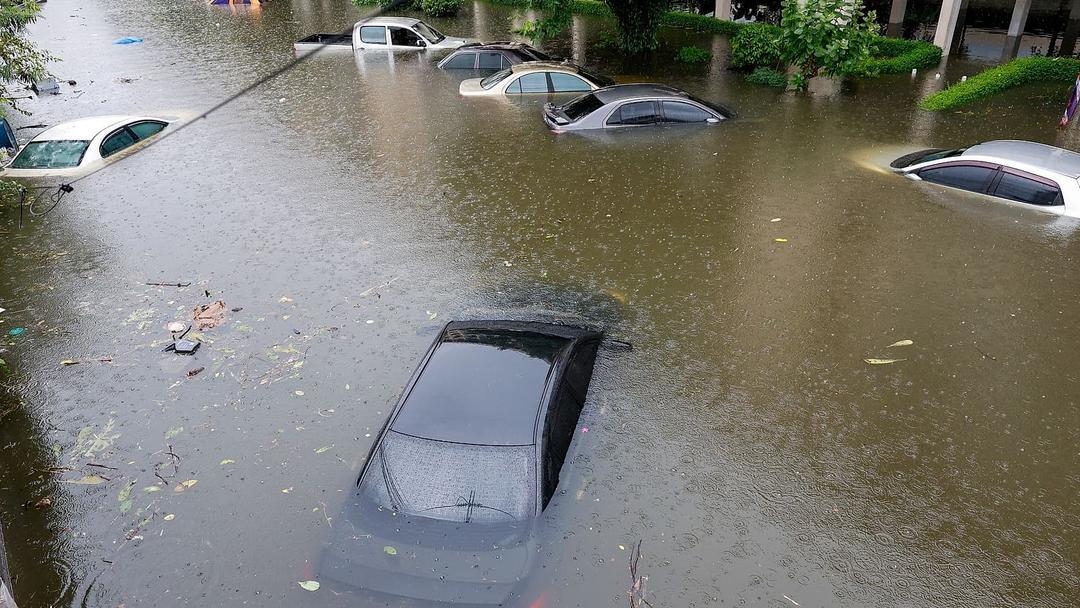
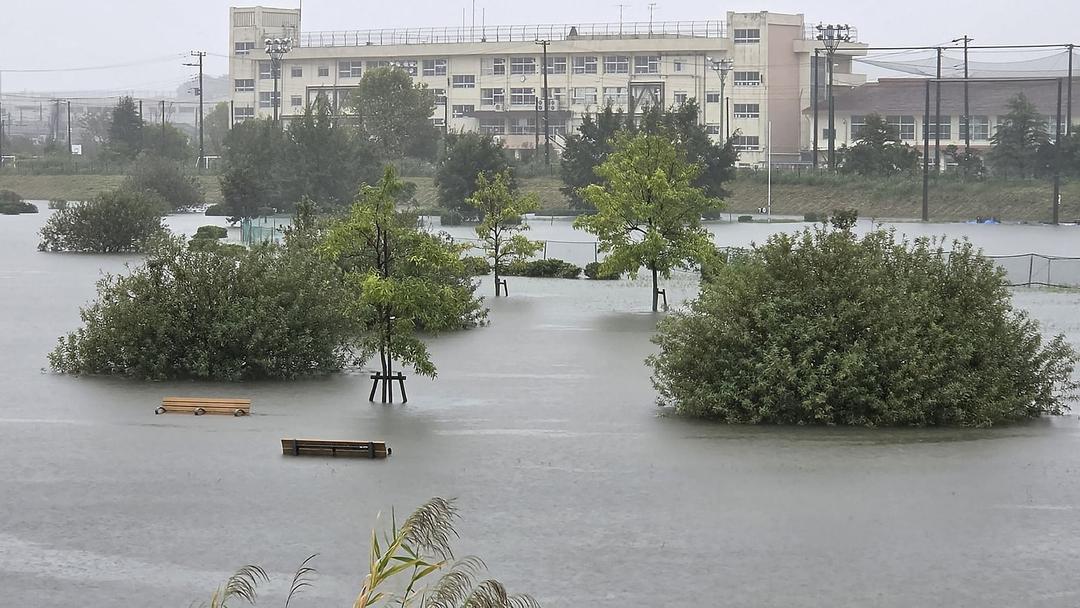
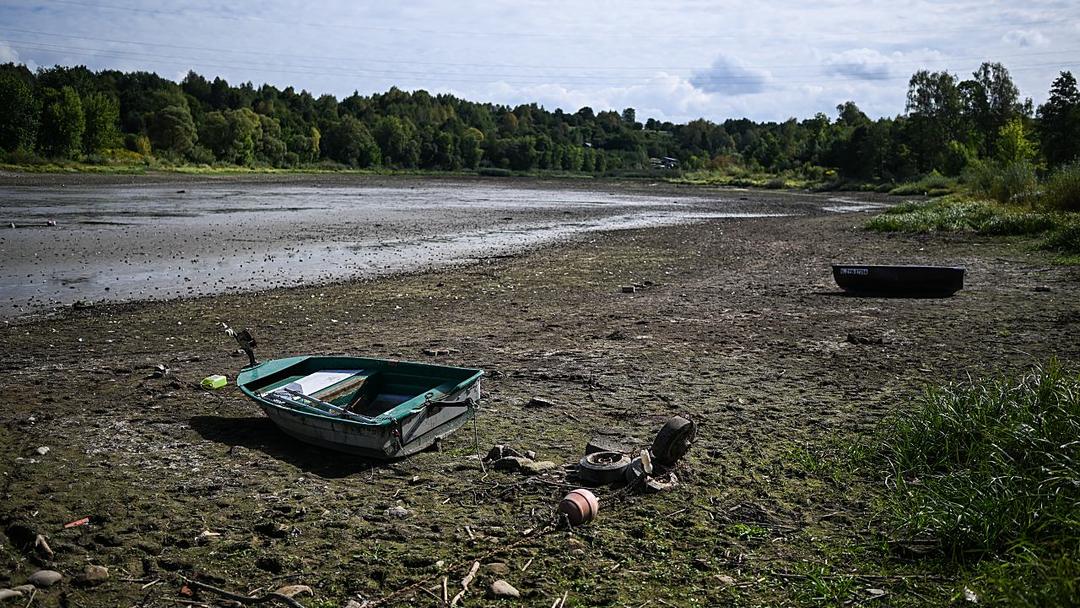
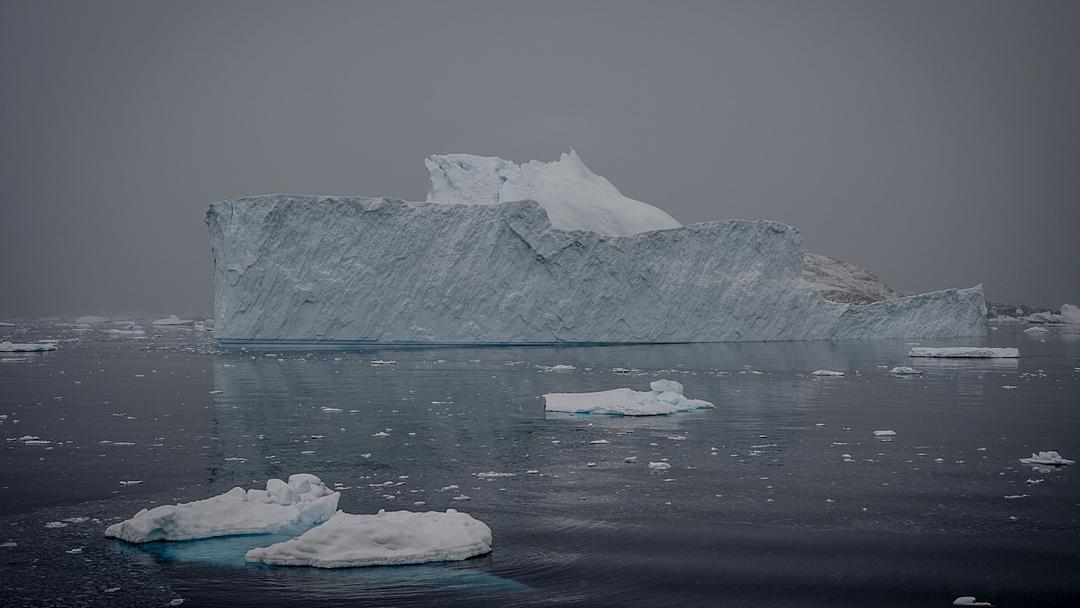
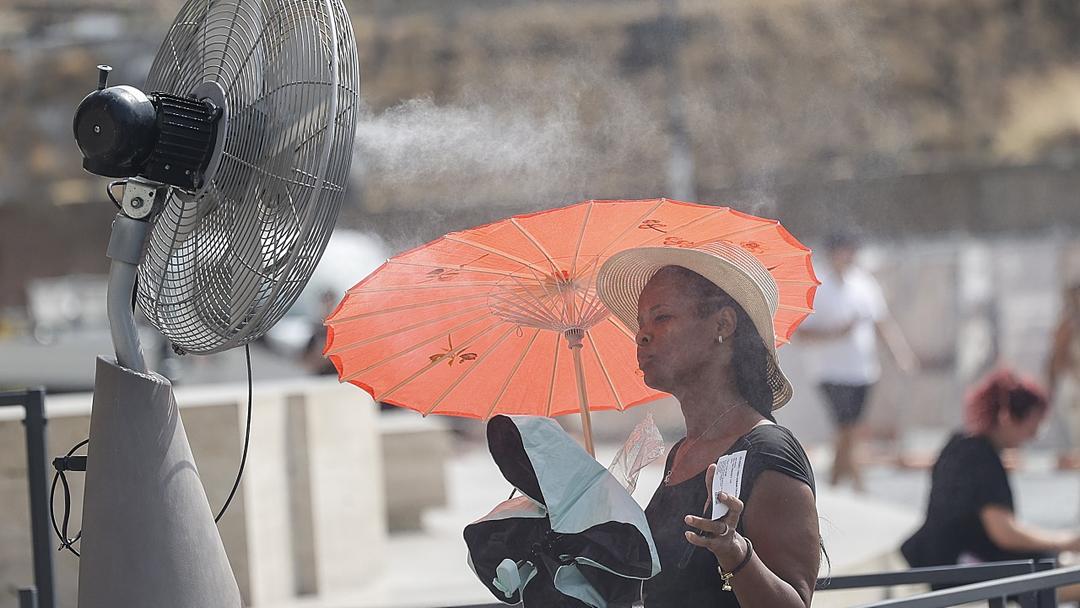
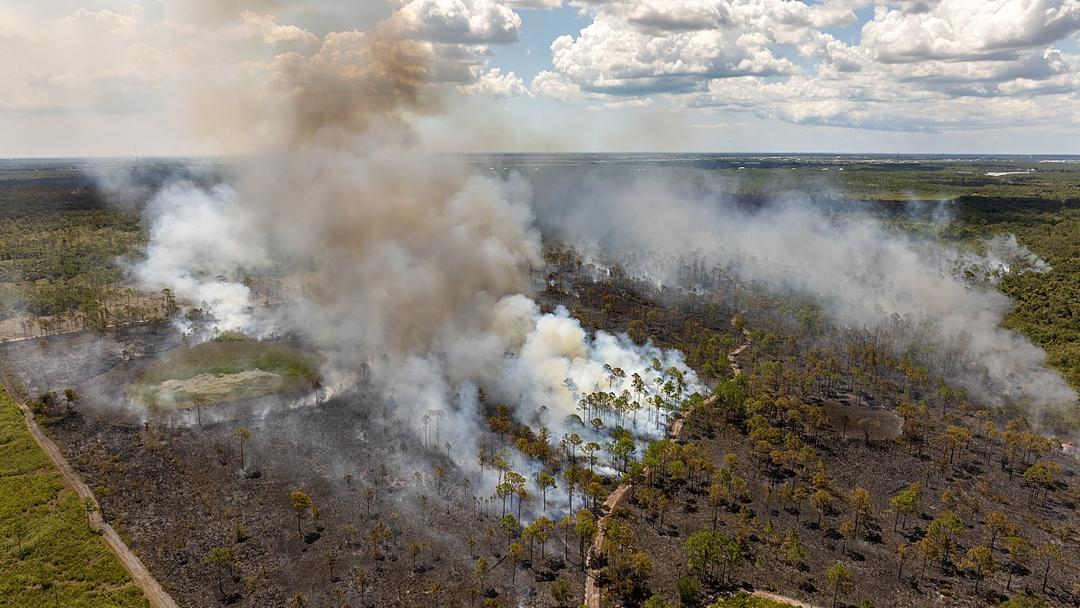
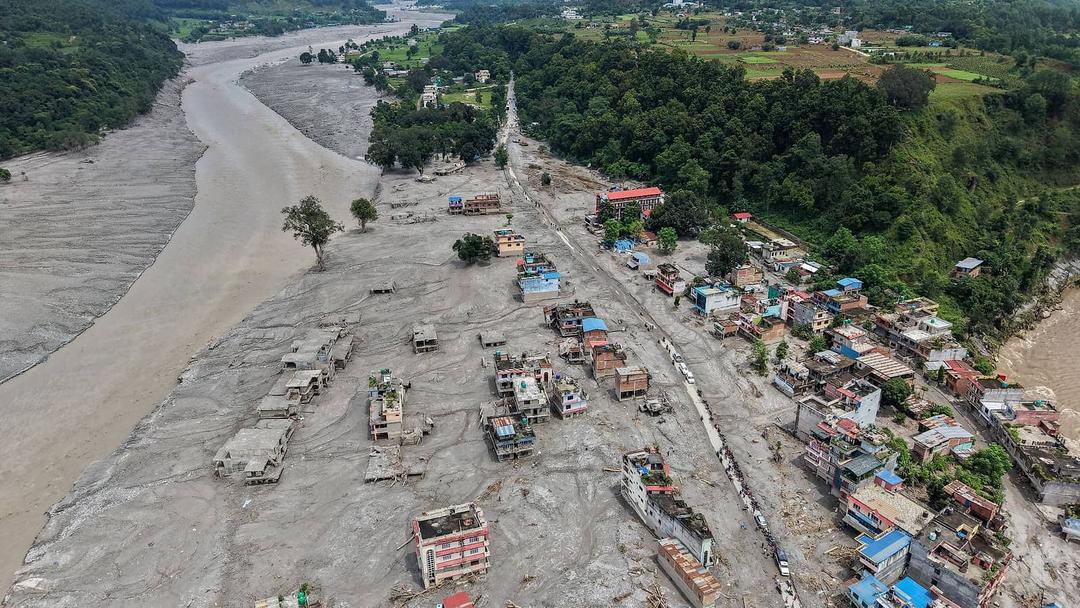
- Impacts: Research has suggested a link between a warming climate and rising sea levels (3.7 mm/year), melting polar ice and extreme weather events and biodiversity loss. These studies suggest that, economically, flood and storm damage could cost $100 trillion by 2100, agriculture will face reduced yields, and heatwaves will increase health care costs. Labor productivity losses are projected to cost $2 trillion annually by 2050. However, projections carry uncertainties due to regional variability, adaptation, and natural factors.


Sources Split
LEFT
CENTER
RIGHT

+2
+4
+4
+3
+2
+6
+10

+1

ESTAB
CRIT
CENTER
PRO
ESTAB
The Spin
Climate-concerned narrative
Climate change is a global crisis that scientific consensus holds is driven by human activities. NASA and IPCC data confirm a 1.1°C temperature rise, causing melting ice, rising seas, and extreme weather that threaten ecosystems, food security and coastal communities, and could lead to severe economic damage. Urgent action — cutting emissions, expanding renewables, and enforcing the Paris Agreement — is critical to limit warming to 1.5°C and prevent irreversible impacts.


Climate-skeptic narrative
Climate change is overstated and driven by natural cycles rather than human activity. Historical temperature fluctuations predate industrialization, and Antarctic ice has expanded in some areas. IPCC models exaggerate warming, and NASA's short-term data ignores geological trends. Sea-level rise (3.7 mm/year) is manageable, yet economic costs are inflated to justify restrictive policies. Alarmist narratives distract from practical solutions like innovation and adaptation.


Optimist narrative
Climate change is real but manageable through innovation and human progress. The focus should be on improving lives, not fear. Advances in renewables, electric vehicles, and nuclear energy have already cut projected emissions by over 40%. Lowering the Green Premium and investing in affordable zero-carbon technologies can help the world adapt and thrive while continuing the progress already underway.

Metaculus Prediction
The Controversies



Go Deeper























































© 2026 Improve the News Foundation.
All rights reserved.
Version 7.18.3