At Least 111 Dead as 7.4 Earthquake Hits Colombia
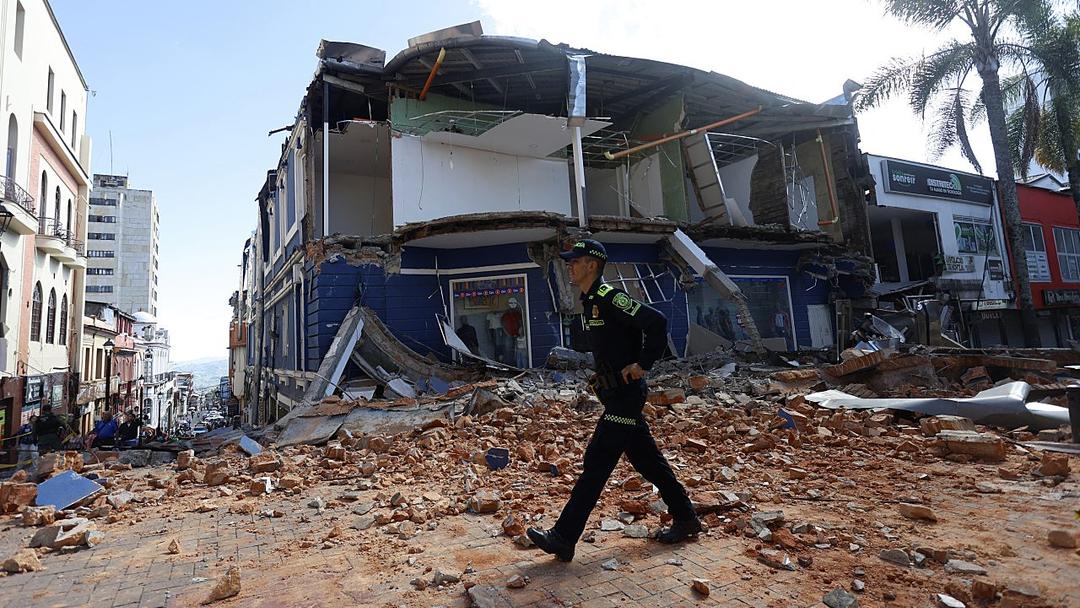

The Facts
- Colombian President Abelardo de la Espriella said in a national address on Monday that the death toll from a powerful earthquake that hit western Colombia earlier in the day was at 111 as of 12:30 p.m. He further declared a national state of emergency.
- Local authorities and media outlets have confirmed deaths in five departments so far: at least 42 in Risaralda, at least 27 in Valle del Cauca, at least 12 in Chocó, at least three in Caldas and at least one in Antioquia.
- A 7.4-magnitude quake struck Colombia at around 7:30 a.m. local time, with its epicenter near the municipality of San José del Palmar in the Chocó department at an estimated depth of between 96 and 110 kilometers (59 to 68 miles).


Sources Split
LEFT
CENTER
RIGHT
+1
+1
+1
+1
+1
+4
ESTAB
CRIT
CENTER
PRO
ESTAB
The Spin
Climate-concerned narrative
Global warming is making earthquakes more frequent and more dangerous, especially in coastal cities. Rising sea levels increase hydrostatic pressure on tectonic faults, disrupting seismic cycles and pushing faults closer to rupture earlier than expected. Colombia's Pacific Coast is among the areas facing compounding risks from climate-driven quakes, landslides and tsunamis that demand urgent investment in monitoring and resilient infrastructure.

Climate-skeptic narrative
Earthquakes are driven by tectonic plate movement powered by mantle convection, a geological process that operates on timescales and forces completely independent of human activity. Climate change simply does not belong in the conversation about what causes seismic events. Pinning earthquake risk on global warming distracts from the real work of understanding fault systems and building safer infrastructure in geologically active zones.

Metaculus Prediction
Public Figures
Go Deeper


© 2026 Improve the News Foundation.
All rights reserved.
Version 7.17.1