Study: Climate Change Doubled Canada's 2026 Wildfire Risk
The Spin
Climate-concerned narrative
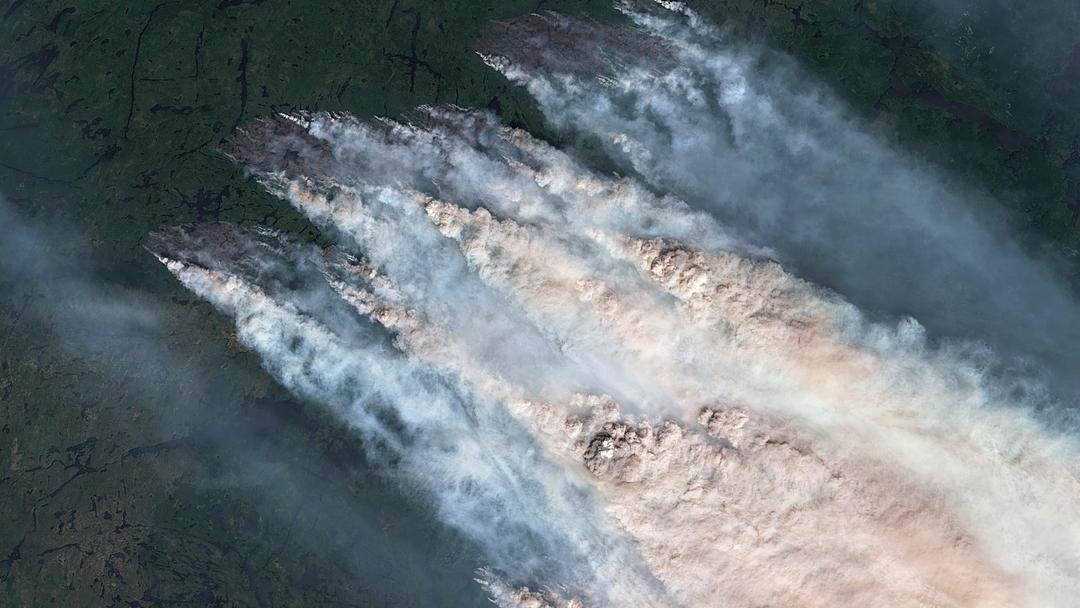
Human-caused climate change doubled the likelihood of the extreme fire weather that torched millions of hectares across Canada in 2026. Burning fossil fuels created the hotter, drier conditions that turned lightning strikes into uncontrollable infernos, and the U.S. — the world's biggest historical emitter — bears enormous responsibility for those conditions. Blaming Canadian forest management misses the point entirely: this is a climate problem.
Climate-skeptic narrative
Global burned area in 2026 is at record lows, with North America, Africa and South America all burning less than any year from 2012 to 2025 — yet the media keeps pushing a fire apocalypse narrative. Government-funded climate reports ignore poor forest management as the real culprit behind disasters like Jasper, and lightning trends show zero upward movement tied to warming. Better forest management beats climate policy every time.
Establishment-critical narrative
Climate policy has created a self-reinforcing cycle: governments neglect practical wildfire prevention in favor of emissions agendas, then use each devastating fire to demand even more climate regulation. Forests become choked with deadfall, brush and dense undergrowth, making fires harder to control while the policies that helped create those conditions are expanded. It's time to abandon failed climate policies that are actually exacerbating the problem.
