Algeria Wildfires Kill 12, Injure 54 Amid Heatwave

The Facts
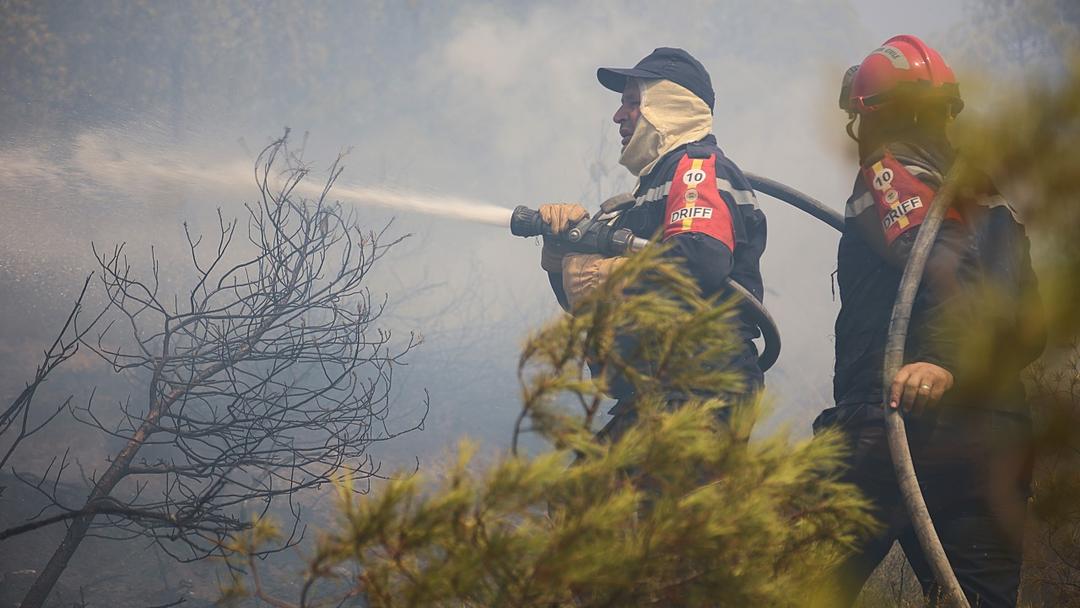
- Wildfires killed 12 people and injured 54 others across three provinces in northeastern Algeria on Wednesday, as a severe heatwave swept North Africa. Six of the injured were in critical condition and receiving intensive care, Interior Minister Said Sayoud said.
- Sayoud said five people died in Jijel province, four in Bejaia and three in Tizi Ouzou. Algeria's Civil Protection services recorded 154 wildfires nationwide, including 36 in Bejaia province, 18 of which had been brought under control by Wednesday evening.
- Sayoud and Health Minister Mohamed Seddik Ait Messaoudene traveled to Bejaia on the instructions of President Abdelmadjid Tebboune to oversee firefighting efforts and assess the conditions of the injured. Many residents in Bejaia and Jijel were evacuated as fires approached residential areas.


Sources Split
LEFT
CENTER
RIGHT
+1

+3
+2
ESTAB
CRIT
CENTER
PRO
ESTAB
The Spin
Government-critical narrative
Algeria's wildfire crisis exposes the government's failure to learn from several devastating fires in recent years. With 154 vegetation fires recorded in a single day and 12 people dead across Jijel, Bejaia and Tizi Ouzou, the latest disaster follows a recurring pattern of increasingly devastating and deadly summer blazes. Algeria must urgently strengthen prevention and expand firefighting capacity before another predictable wildfire season turns deadly.
Climate-concerned narrative
Climate change is the undeniable force driving Algeria's worsening wildfire seasons. North Africa has warmed 0.43C per decade since 1991, fueling severe droughts and heatwaves as 154 fires erupted in a single day. Algeria has strengthened its emergency response, but no government can eliminate these growing risks alone. Without confronting the climate crisis, such disasters will become more frequent and deadlier.
Climate-skeptic narrative
Drawing a direct line between Algeria's deadly wildfires and a worsening climate crisis oversimplifies a complex picture. Wildfires have long devastated the country, with many linked to human activity, including negligence and suspected arson. Higher temperatures can increase fire risk, but weather, vegetation, ignition and land management all shape their severity. Regional warming alone doesn't establish climate change as the primary cause.