The Age of Disclosure


The Facts
- Documentary Overview: "The Age of Disclosure" is a 109-minute documentary directed by Dan Farah, a Hollywood producer whose credits include "Ready Player One." It was released on Amazon Prime Video on Nov. 21, 2025, with a limited theatrical run in New York, Washington, D.C., and Los Angeles. The film features 34 current and former senior U.S. government, military and intelligence officials who go on the record to allege an 80-year global cover-up of non-human intelligent life and recovered technology of non-human origin. It was filmed over three years and premiered at the SXSW Film Festival in 2025.
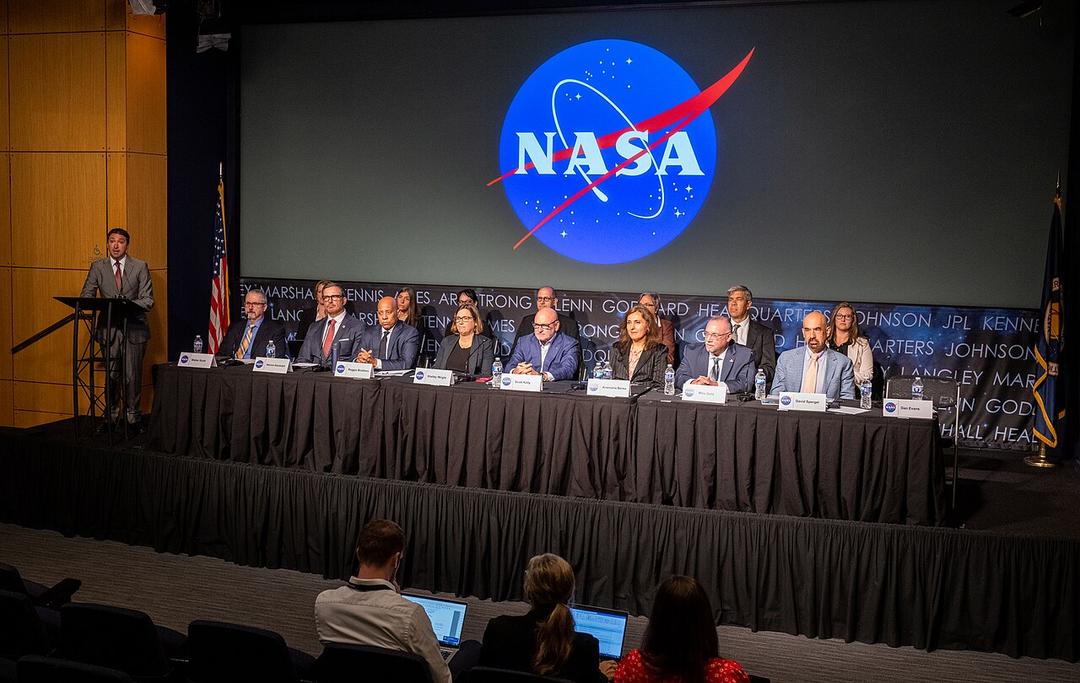
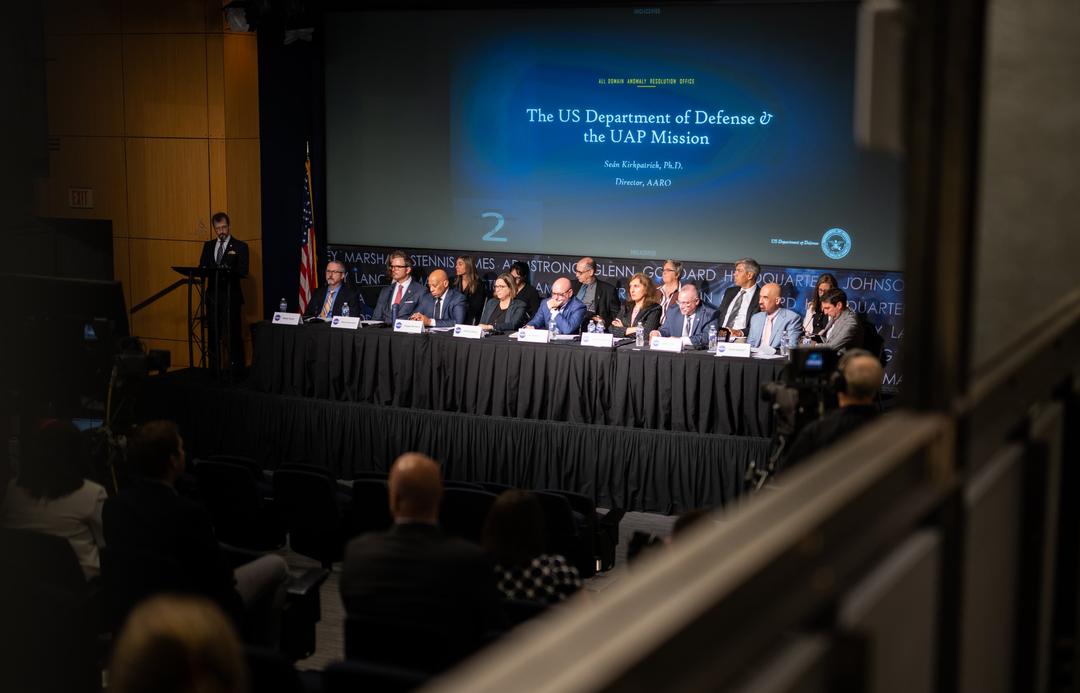
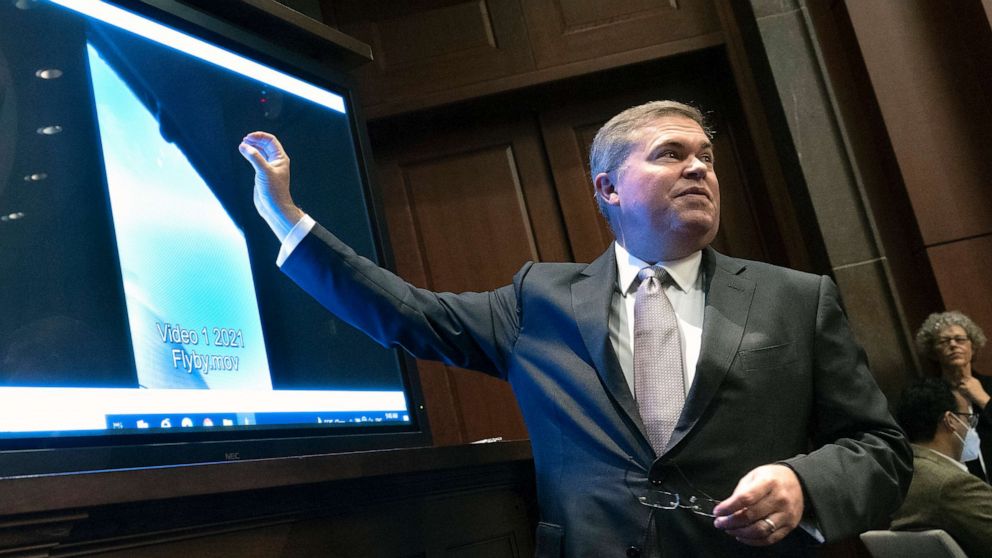
- Context: The documentary was released amid a period of growing mainstream attention to UAPs — formerly called UFOs — following a 2017 New York Times report on U.S. Navy encounters with advanced aerial phenomena. Since then, congressional hearings, whistleblower testimony and the establishment of the Pentagon's All-domain Anomaly Resolution Office have elevated the subject. The term UAP, which stands for Unidentified Anomalous Phenomena, was adopted in part to reduce the stigma associated with the older UFO label, according to intelligence officials featured in the film. The movie received a special screening on Capitol Hill ahead of its streaming release.
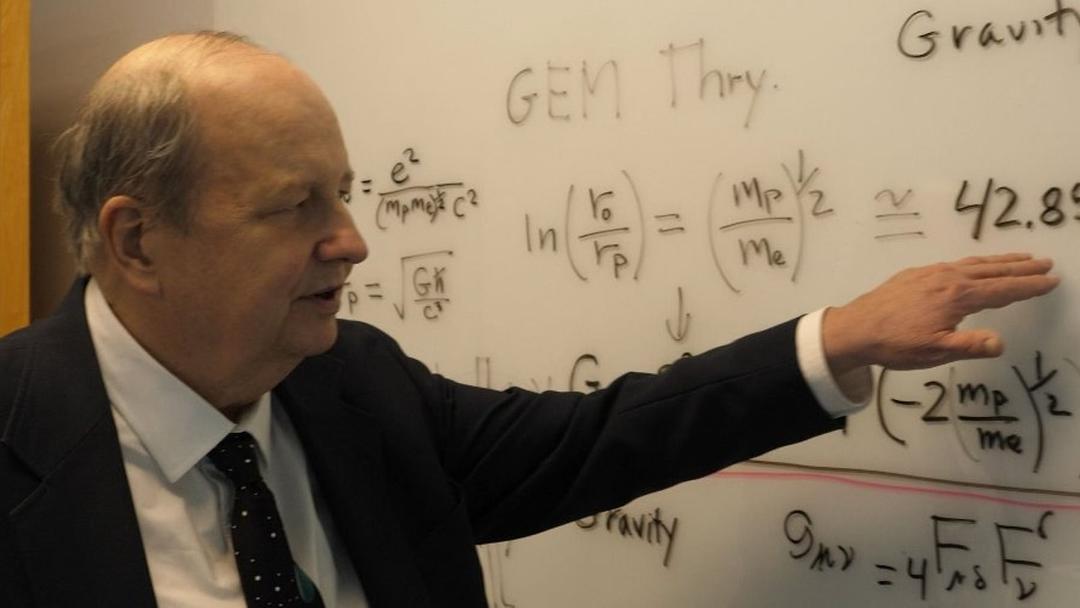
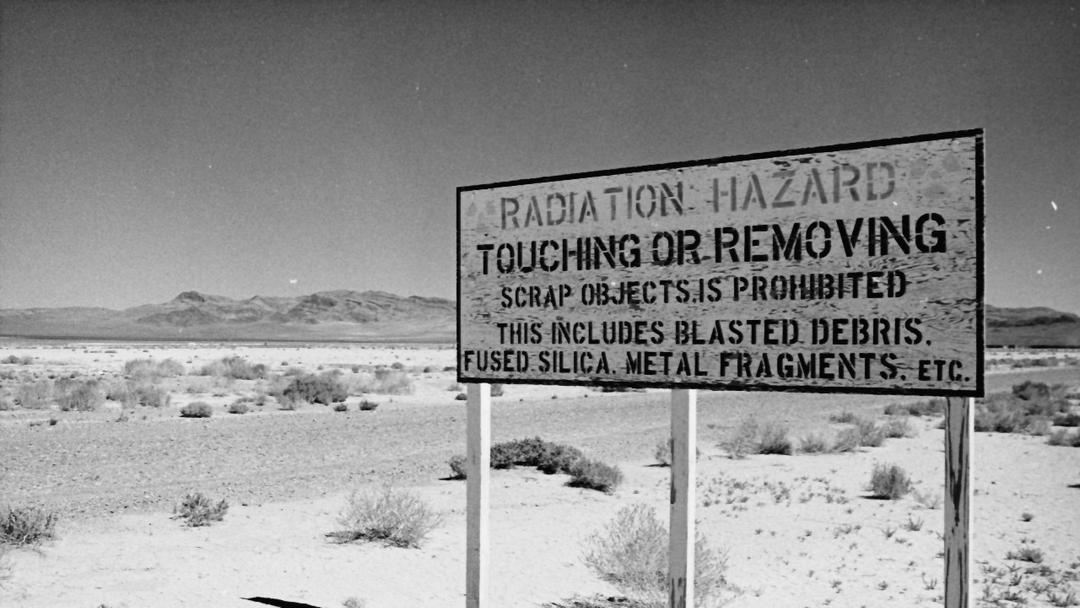
- Documentary's Claims: The film's central claims include the existence of a deeply hidden "Legacy Program" — said to involve the CIA, the Air Force, the Department of Energy and major defense contractors — that has been retrieving and reverse-engineering crashed UAP craft since the 1940s. Officials in the film allege that non-human biological remains have been recovered, that UAPs have repeatedly operated over restricted nuclear facilities, and that sitting presidents have been kept uninformed. Quantum physicist Hal Puthoff and astrophysicist Eric Davis, described as scientific advisers to government UAP programs, propose that the craft operate within a space-time distortion bubble that alters gravitational and inertial forces.


Sources Split
LEFT
CENTER
RIGHT

+6
+1

+5
+4

+9
+3
+1
+1

+2
ESTAB
CRIT
CENTER
PRO
ESTAB
The Spin
Narrative A
"The Age of Disclosure" documentary is a watershed moment in the decades-long effort to bring government transparency on UAP to the public. Director Dan Farah assembled an unprecedented coalition of 34 highly credentialed officials — senators, intelligence directors and military commanders — who collectively corroborate an 80-year cover-up of non-human intelligence. The film's bipartisan roster, from Marco Rubio to Kirsten Gillibrand, signals this is no fringe exercise. That it broke Prime Video documentary sales records within 48 hours confirms a public appetite for honest answers their government has long withheld.


Narrative B
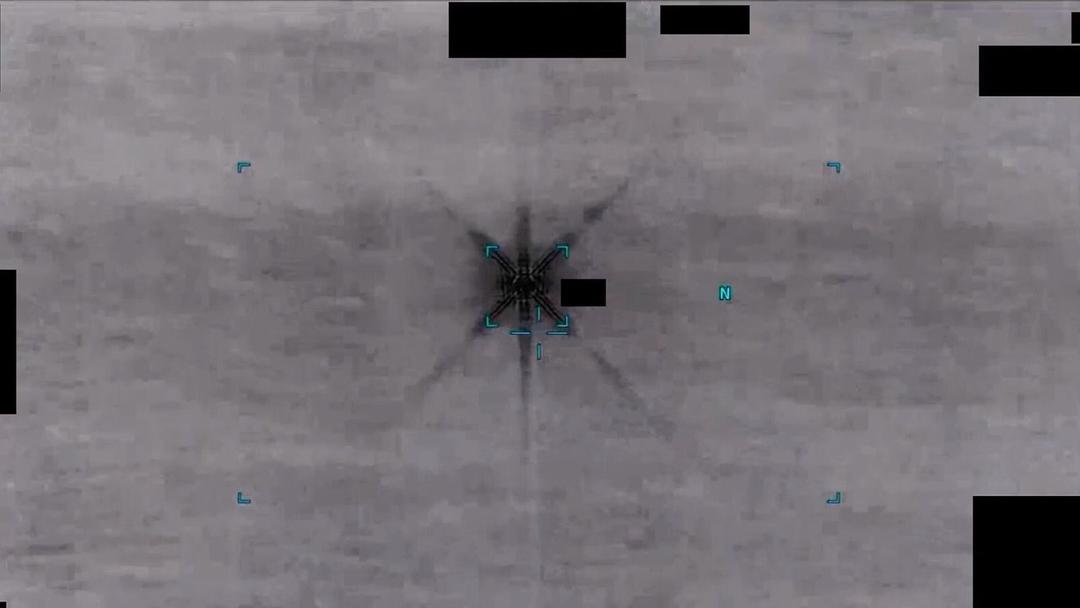
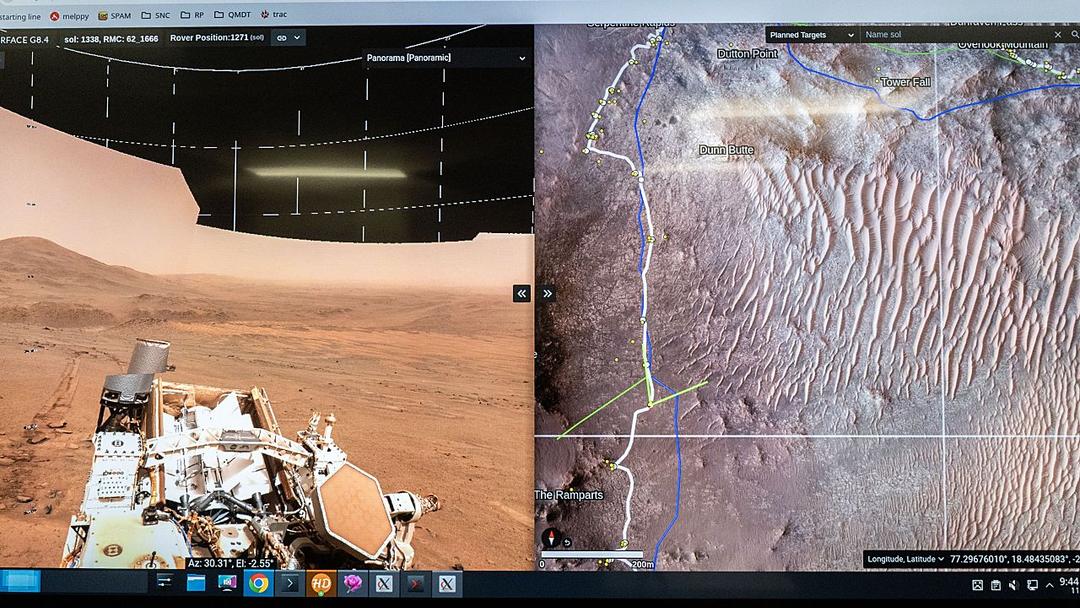
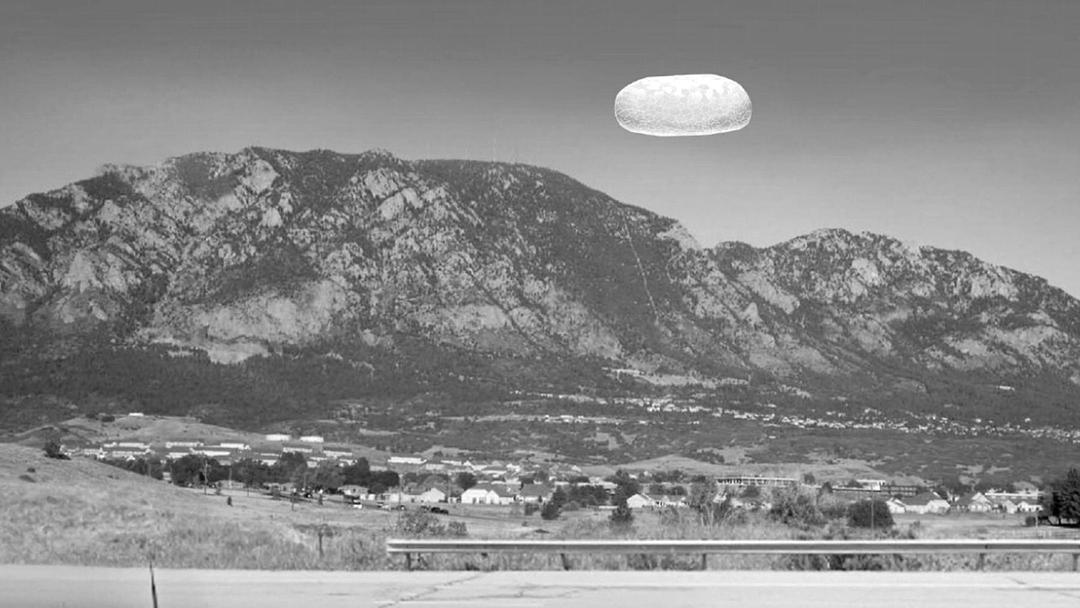
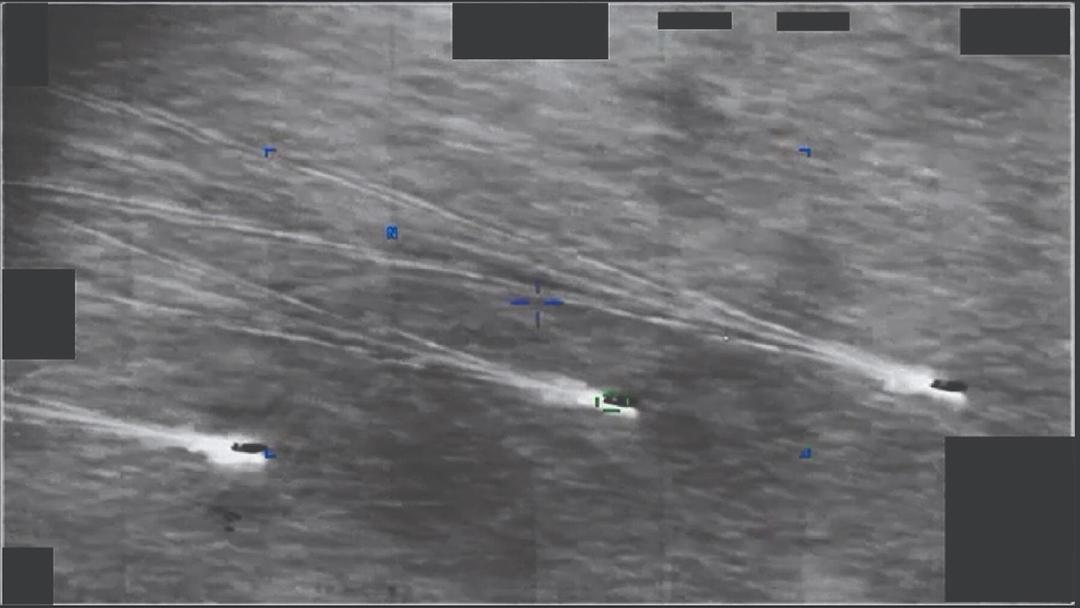
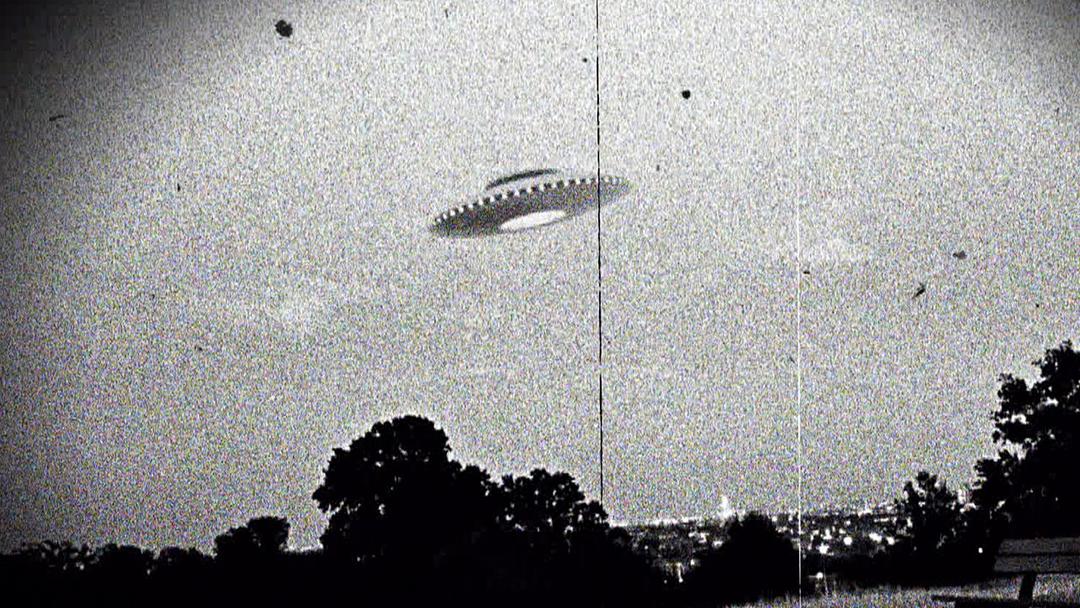
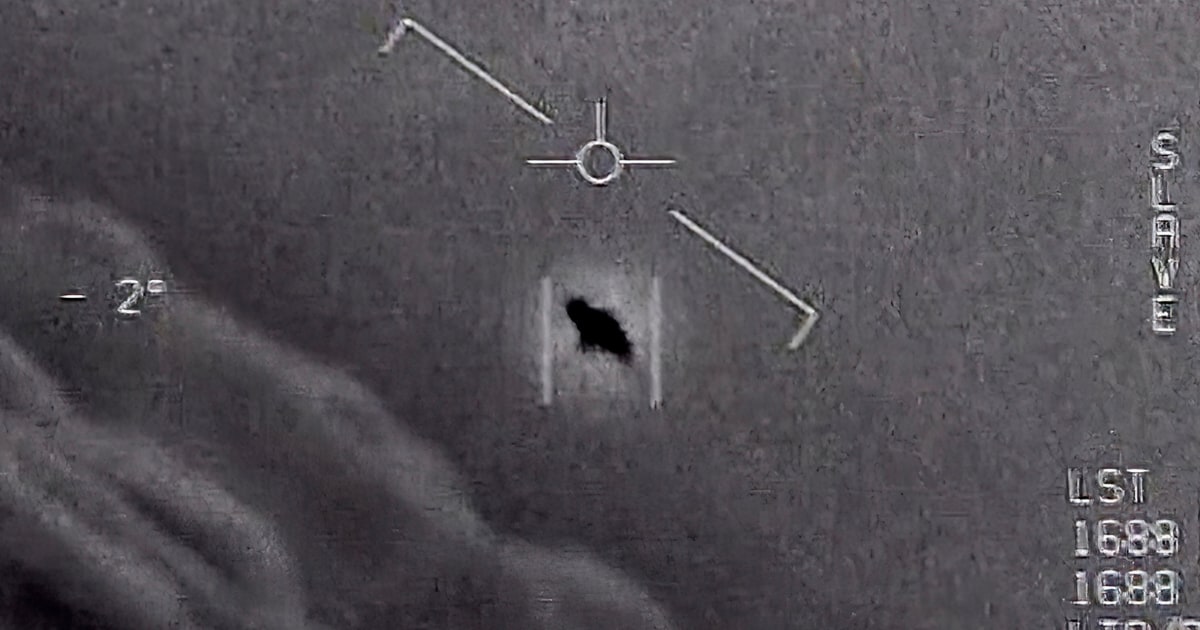
Farah's "The Age of Disclosure" is a slickly produced echo chamber that mistakes credential for evidence. Every claim rehearsed here has circulated for years across CNN, Fox and YouTube. Eyewitness testimony, however senior the witness, is not scientific proof — biologists don't declare new species on anecdote alone. The film's own experts admit the best evidence remains classified, conveniently beyond scrutiny. Grainy recycled footage and artistic renderings substitute for actual photographs. If UAPs penetrate military airspace daily, as claimed, where are the thousands of clear smartphone images one would expect?


Narrative C
Dan Farah's “The Age of Disclosure” ultimately represents a missed opportunity, offering the framework for a compelling documentary without delivering on its potential. Despite assembling credible figures such as Luis Elizondo and referencing well-known events like the Tic Tac Incident, the film settles into a repetitive, talk-heavy format of talking heads and familiar anecdotes. Its narrow, America-centric focus and limited visual storytelling constrain narrative momentum and prevent exploration of more specific claims surrounding the Legacy Program, leaving the film feeling procedural rather than revelatory.

Establishment-critical narrative
"The Age of Disclosure" is less transparency than a controlled narrative steering public attention away from the real disclosure — suppressed human technology inside classified military programs. By foregrounding extraterrestrial explanations and selective testimony, the film omits serious discussion of reverse-engineering efforts, black-budget aerospace projects and covert platforms developed over decades. This framing shifts scrutiny toward “non-human” origins while obscuring how 80% of UAP phenomena stem from advanced, compartmentalized programs already operating within the national security apparatus.