


The Facts
- Origins: After centuries as the world's largest economy, China fell behind in industrialization and lost wars, territory and concessions to Western and Japanese colonial powers starting in the 1800s, the so-called "century of humiliation." The United States supported China against Japan in WW2, but when the 1949 Chinese communist revolution made the U.S.-backed government flee to Taiwan, the United States recognized it rather than the newly formed People's Republic of China (PRC) as the legitimate government of the Chinese state.
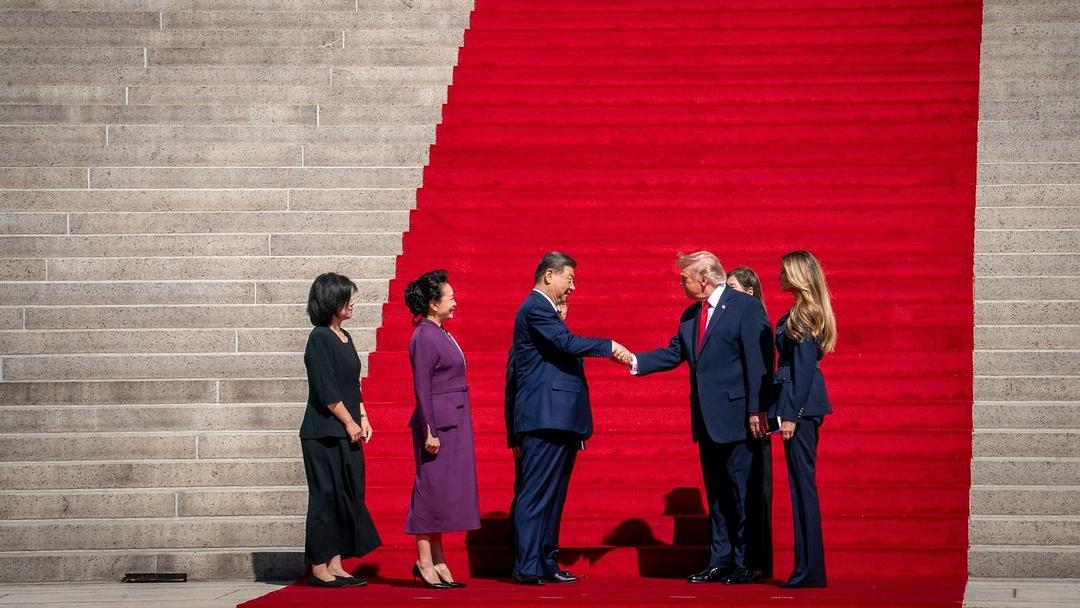
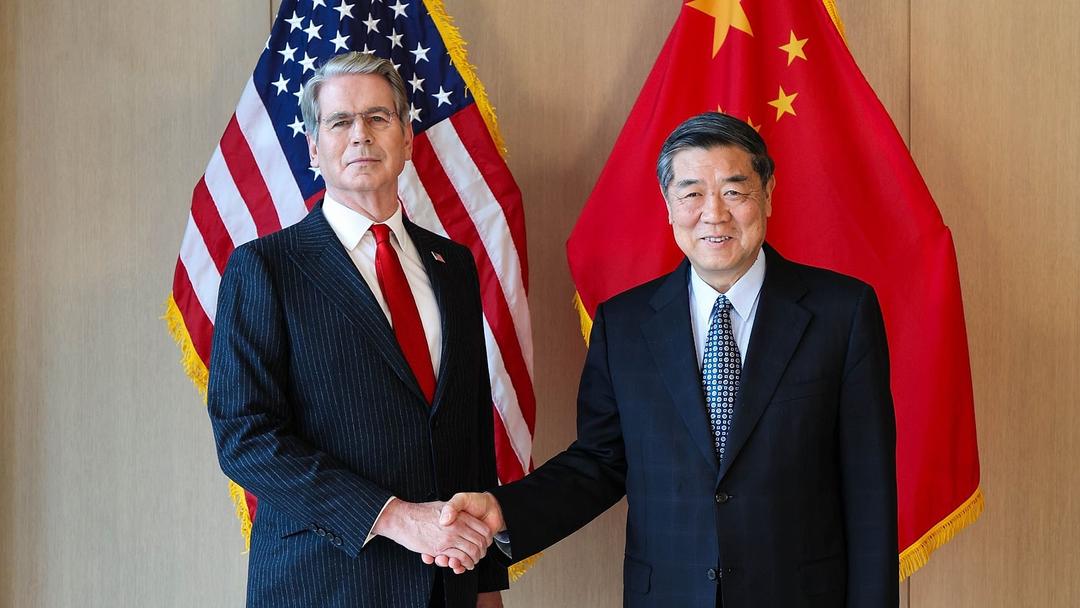
- Diplomacy: After the Sino-Soviet split, Nixon visited China in 1972, starting a U.S.-PRC detente. By 1979, diplomatic relations were normalized and Washington let Beijing rather than Taiwan represent China at the UN. The US supported China's 2001 admission to the World Trade Organization, but during the Obama administration, the US pivoted toward the Asia-Pacific region to counter China's growing clout. The Trump administration launched genocide accusations as well as tariffs on Chinese goods. Both have been maintained by the Biden administration, which deepened ties with Australia, India, and Japan, forming "the Quad" to curb China's rise.
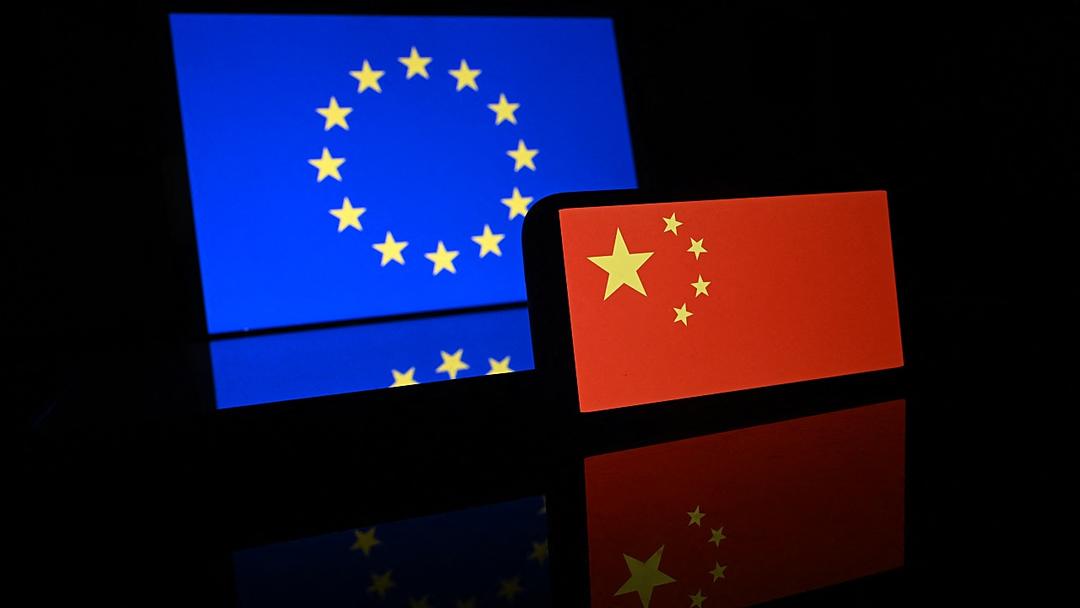
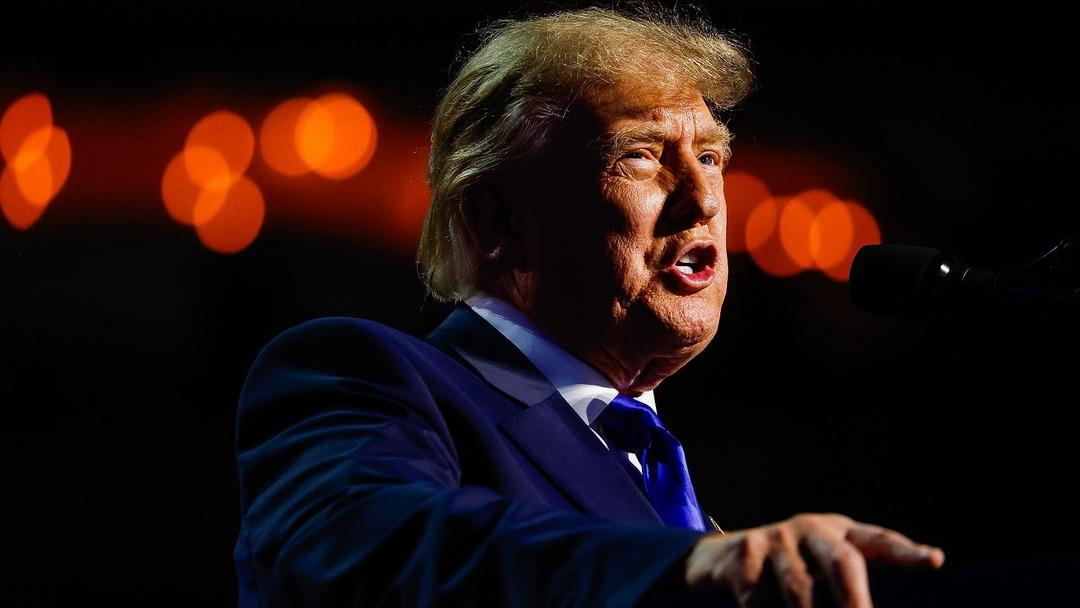
- Economic Competition: The United States overtook China as the world's largest economy around 1890, but now arguably risks losing this lead and its supremacy on the global stage. The global rivalry between the United States and China and their divergent political and economic systems is often compared to the U.S.-Soviet Cold War, but deep economic ties make the U.S.-PRC rivalry more complex. In April 2025, U.S. President Donald Trump announced significant tariffs on Chinese products as part of a wider trade policy. The United States has imposed 145% tariffs on Chinese goods, with some technology exceptions, while China responded with 125% tariffs on U.S. goods.


Sources Split
LEFT
CENTER
RIGHT
+1


ESTAB
CRIT
CENTER
PRO
ESTAB
The Spin
Anti-China narrative
The Chinese communist party has crushed Hong Kong's democracy, created Orwellian surveillance systems, and perpetrated human rights abuses including Uyghur genocide. The PRC is a security threat to every democratic, freedom-loving country: it seeks to dominate the world through military aggression, economic and technological espionage, and corruption of foreign politicians to spread its dystopian authoritarian model across the globe. The United States must counter these threats and contain China.
Pro-China narrative
The United States is trying to harm China's economy, discredit it, and draw it into regional conflicts. U.S. talk of democracy and human rights are mere excuses for this since it supports many non-democratic governments. The real reason is that Washington fears losing its hegemony and wants to distract from domestic problems by scapegoating China. Chinese weakness let Western colonialists humiliate it in the 1800s, and China won't make that mistake again.
Cynical narrative
All this talk about defeating China is irrelevant, as a conflict wouldn't benefit either side. In fact, U.S. policies to counter the PRC increasingly expose the fact that the American political establishment is seeking to follow the Chinese model, not promote U.S. values.
Public Figures

The Controversies
Go Deeper








































© 2026 Improve the News Foundation.
All rights reserved.
Version 7.18.2