The 2026 Ebola Outbreak
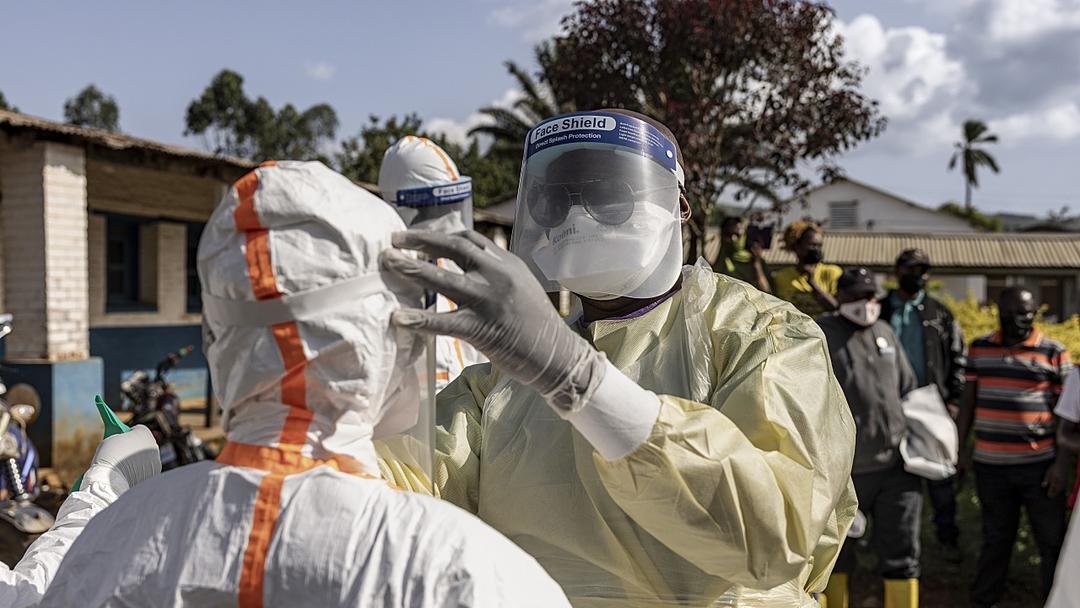
The Facts
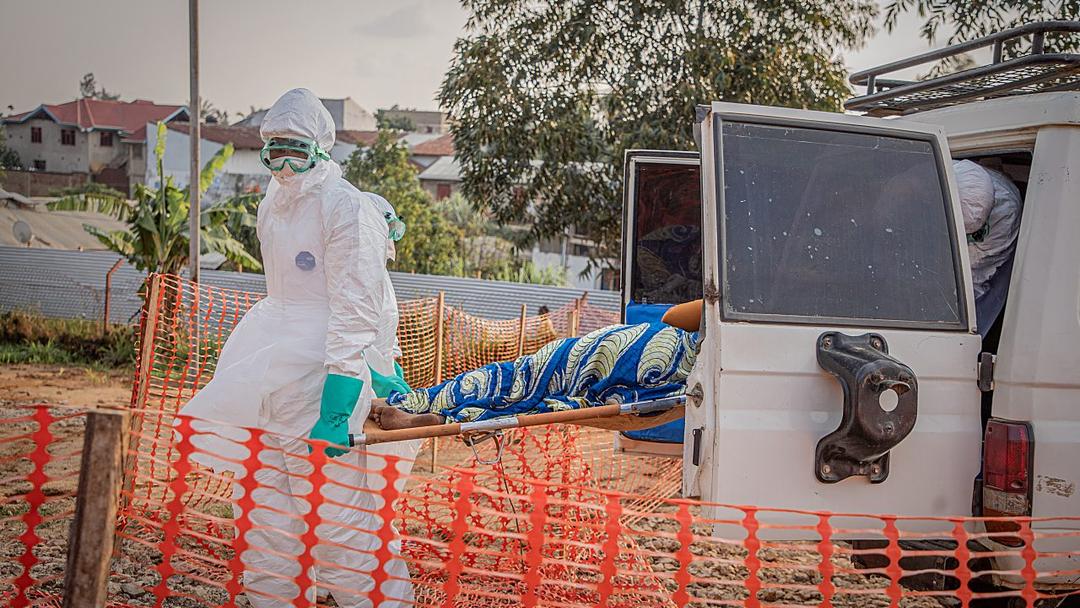
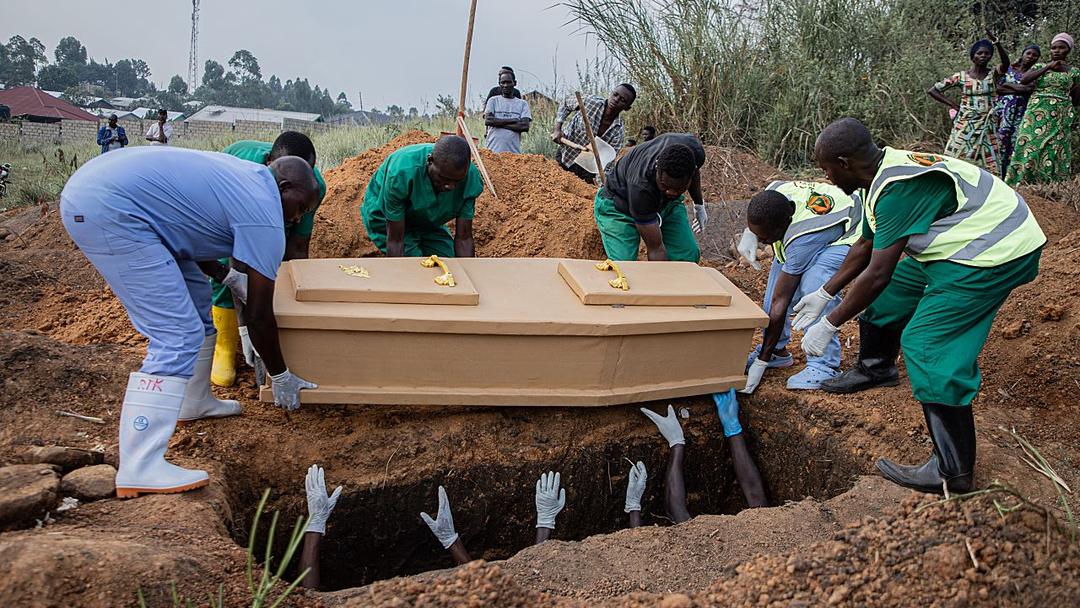
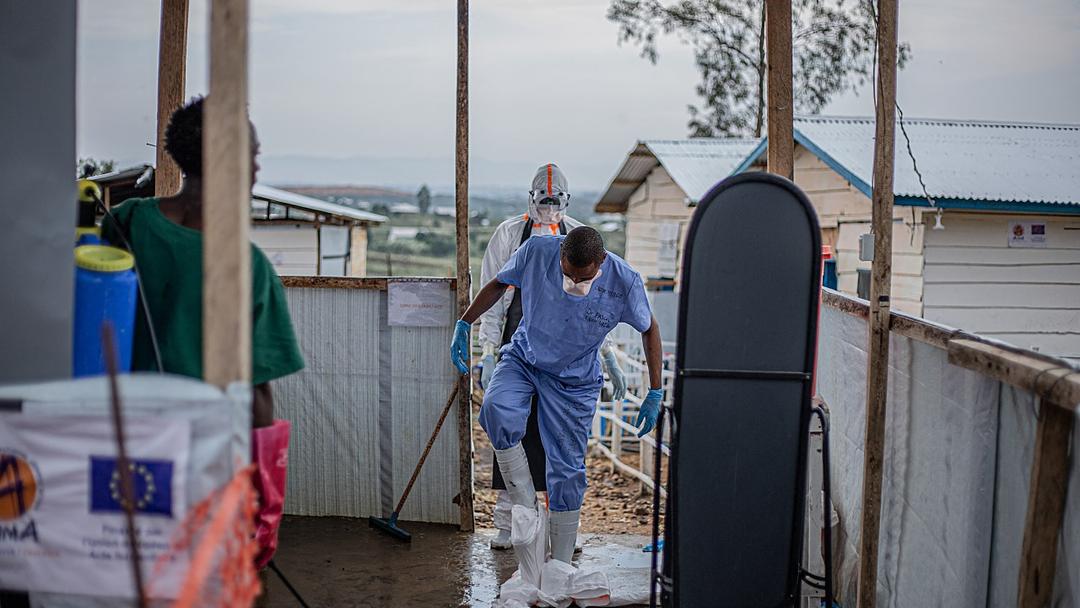
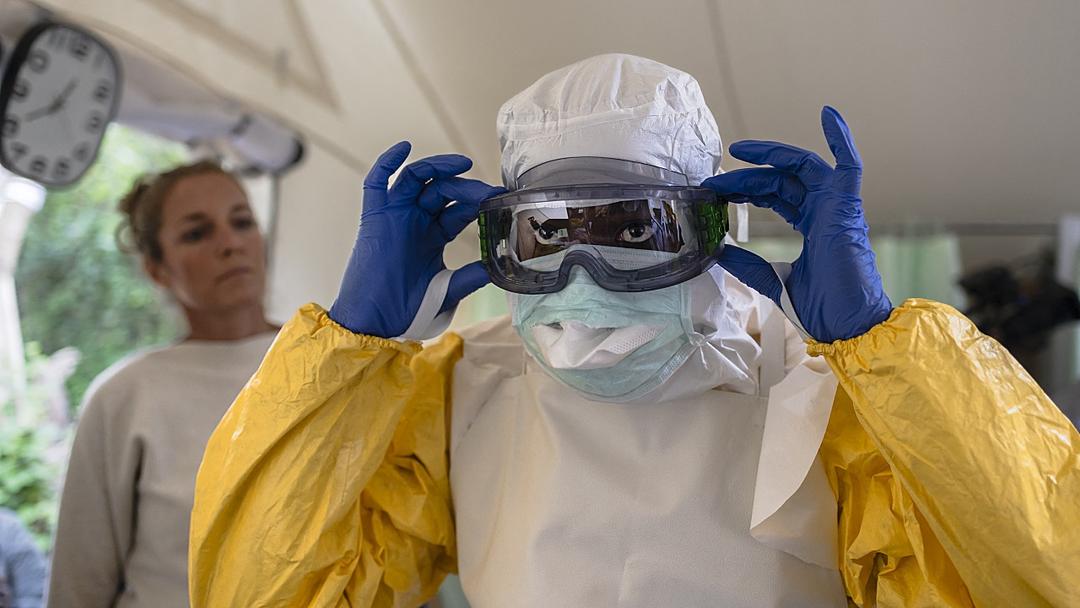
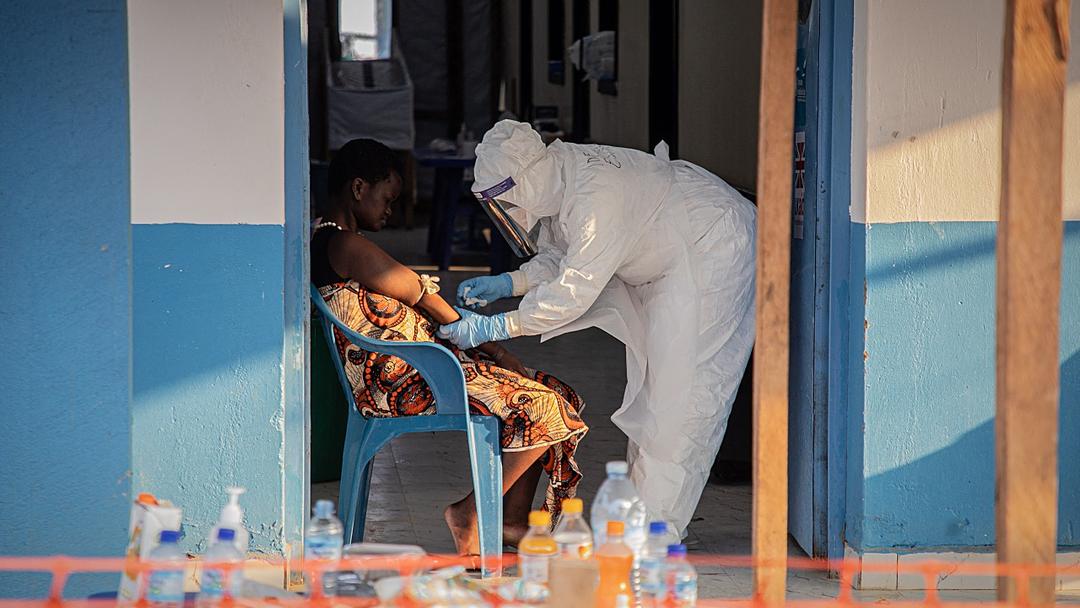
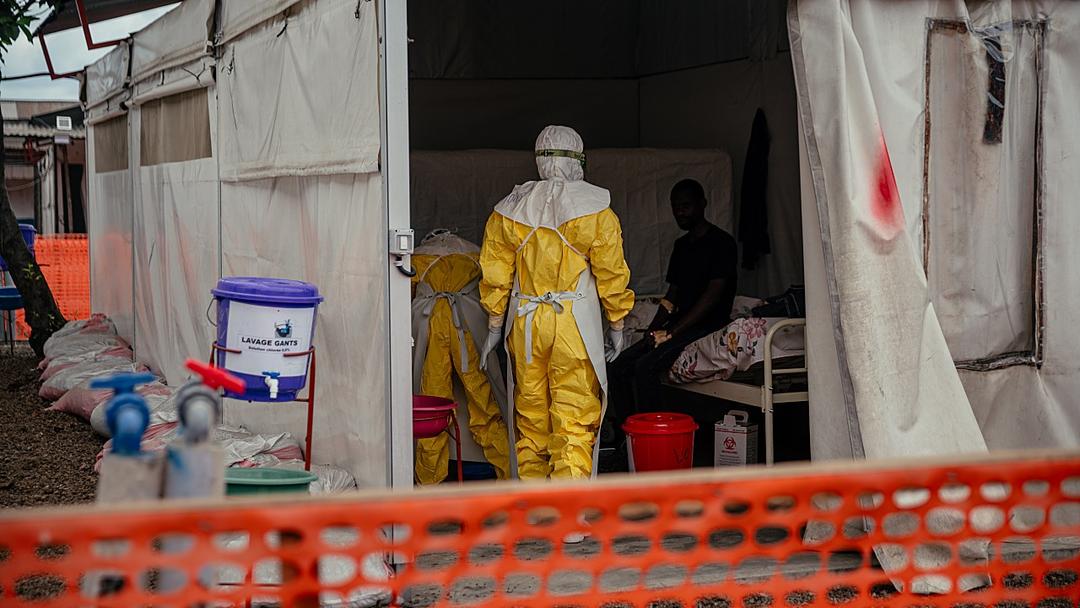
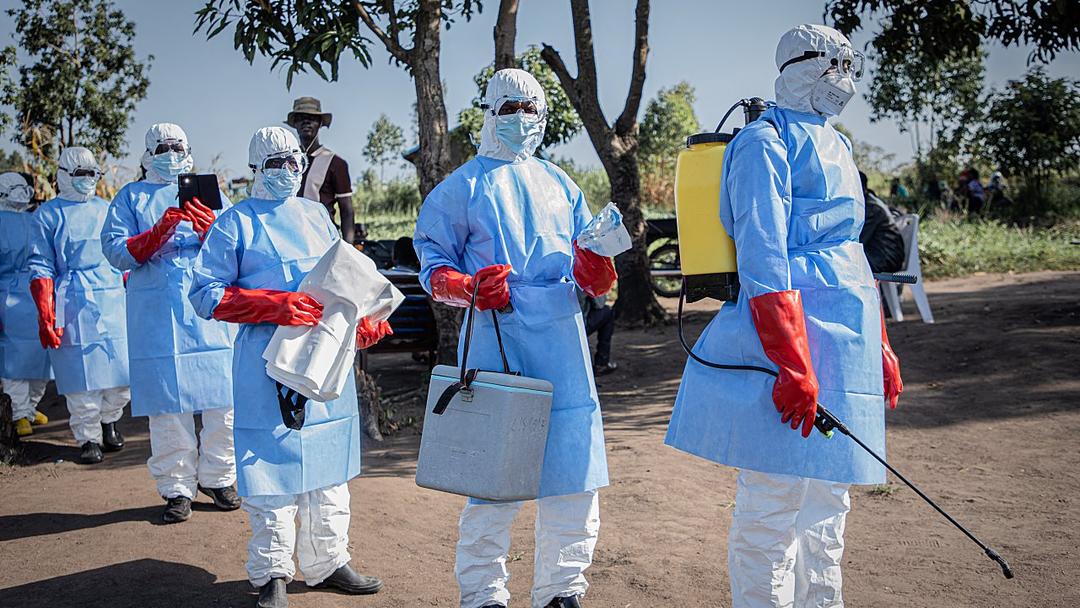
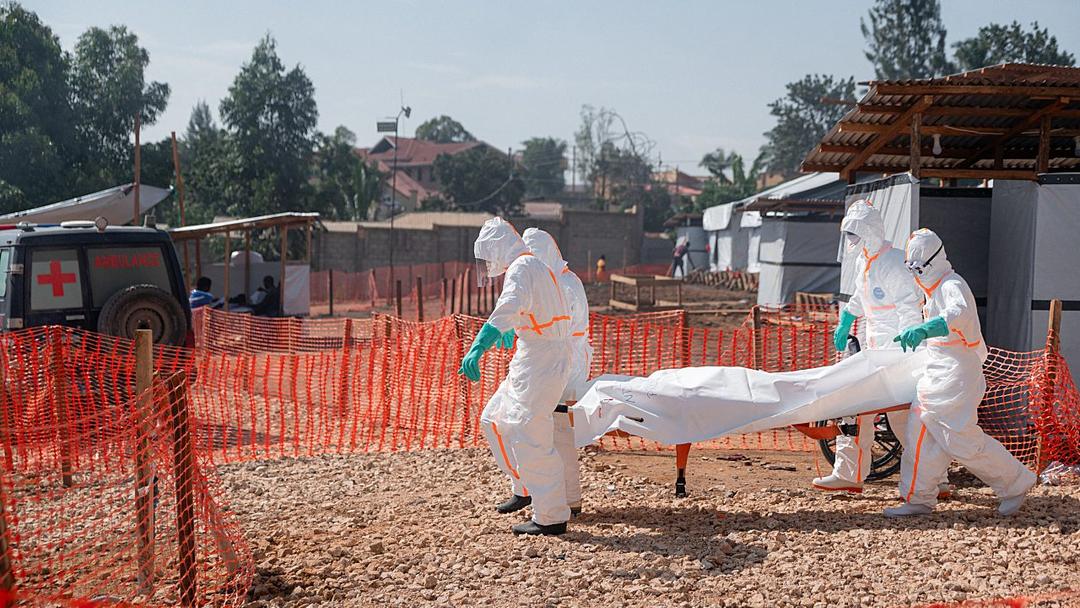
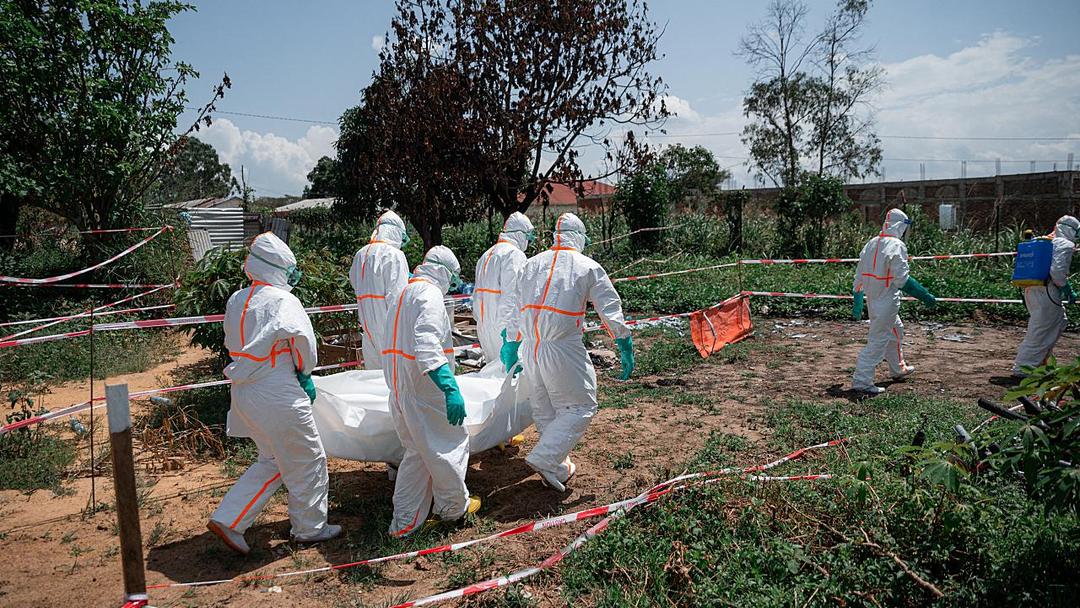
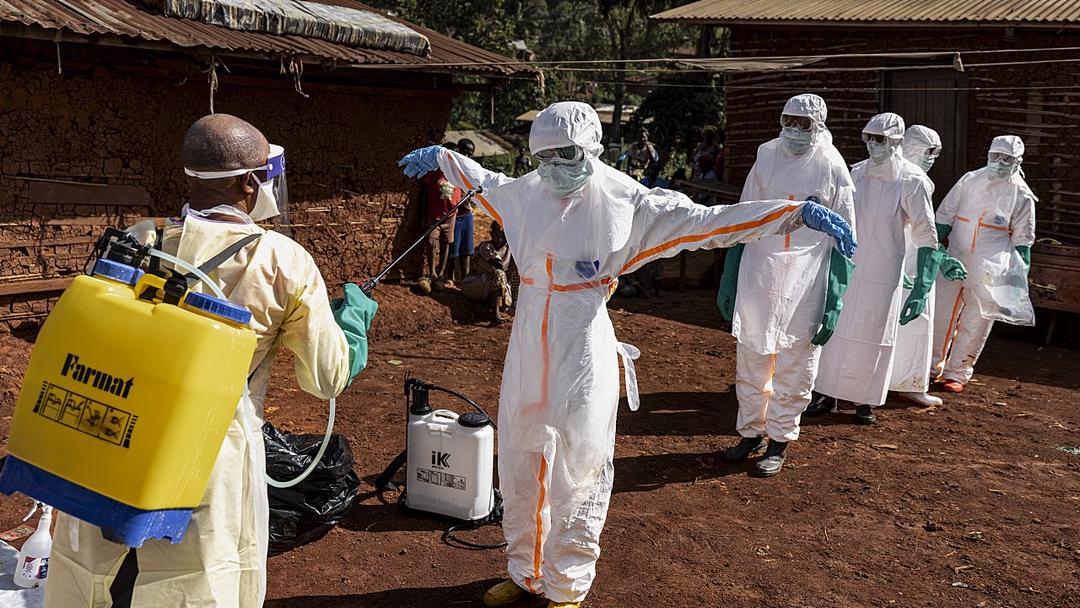
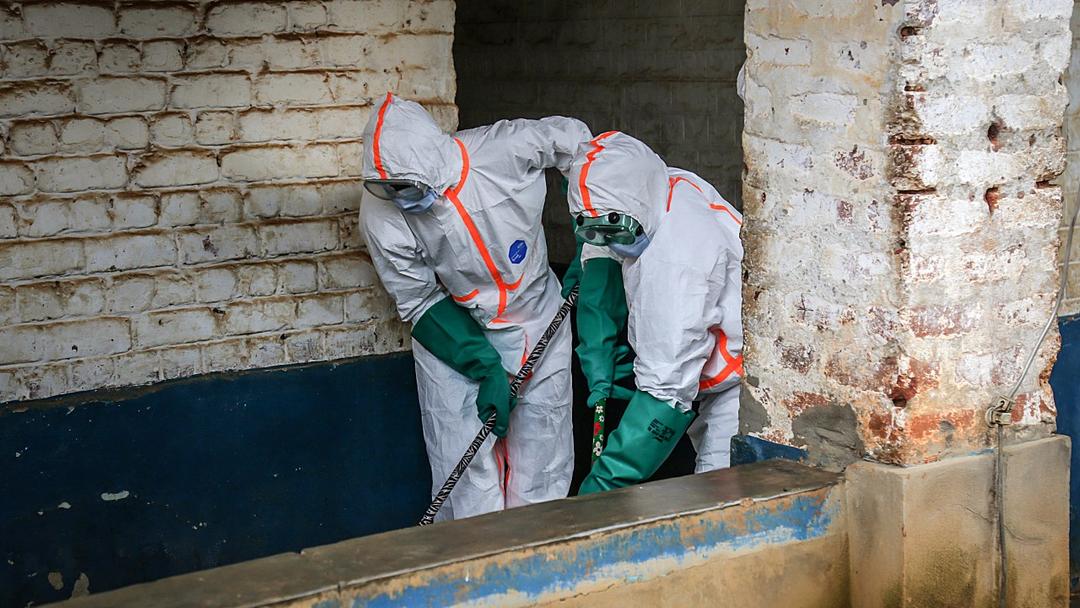
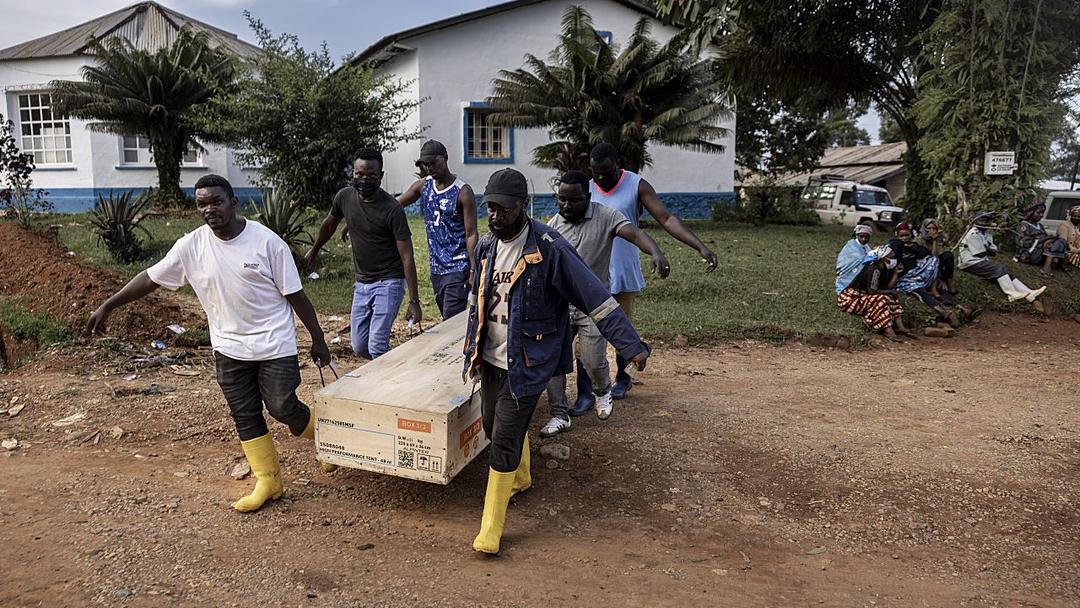
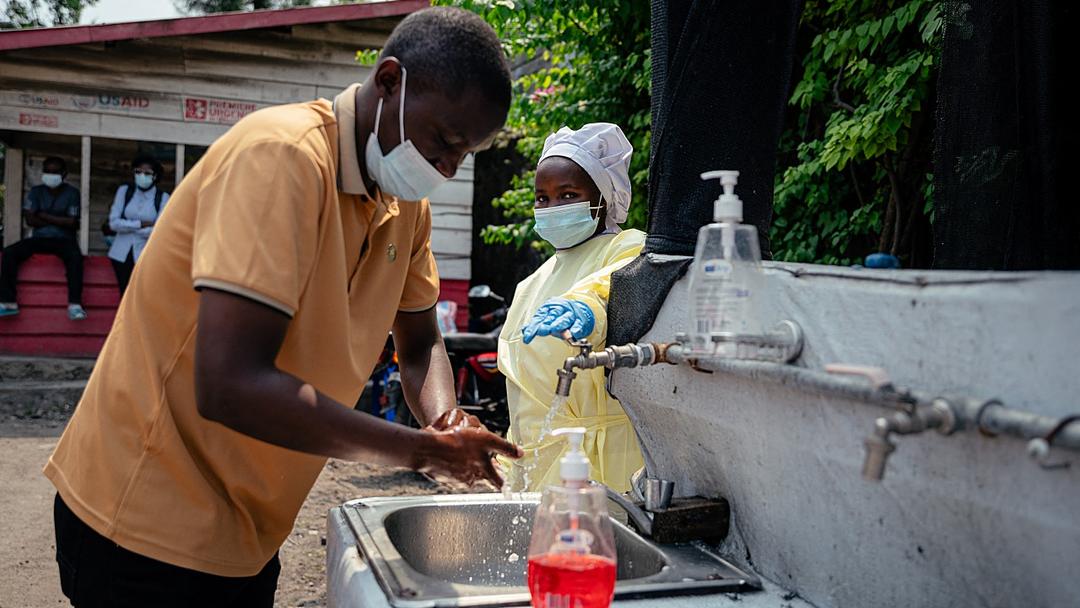
- Ebola Origins: Ebola disease was first identified in 1976 in nearly simultaneous outbreaks in Zaire, now the Democratic Republic of the Congo, and Sudan, now South Sudan. The virus is transmitted to people from wild animals, including fruit bats, porcupines and nonhuman primates, and spreads through direct contact with blood, secretions or other bodily fluids of infected people. The average case fatality rate is around 50%, though historical rates range from 25% to 90% depending on the virus species.
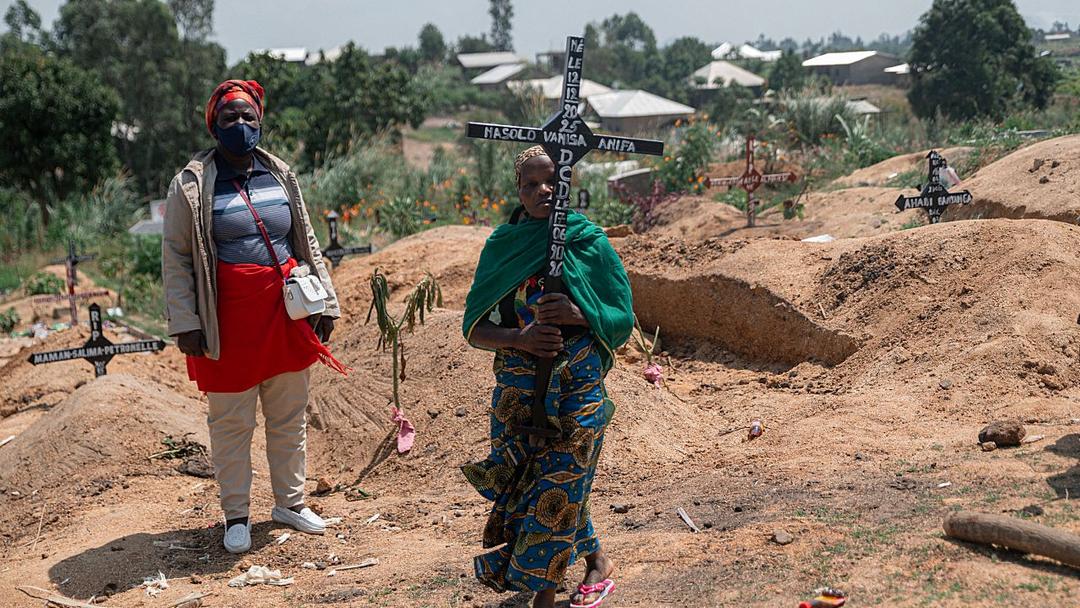
- West Africa Epidemic: The 2013-2016 Ebola epidemic in West Africa was the largest and most complex outbreak since the virus was first discovered in 1976, resulting in more cases and deaths than all previous outbreaks combined. By the end of the epidemic, more than 28,600 people had been infected and 11,325 had died, for a case fatality rate of 40%. The outbreak primarily affected Guinea, Liberia and Sierra Leone, while secondary infections were reported in Nigeria, Mali, Spain, the United Kingdom and the United States.
- Bundibugyo Strain: The Bundibugyo virus, one of four orthobolavirus species known to cause disease in humans, has a case fatality rate of approximately 30%, lower than the Zaire strain. First identified in Uganda, the Bundibugyo strain has historically caused relatively few outbreaks and has remained a lower research priority than the more lethal Zaire strain. There are currently no licensed therapeutics or vaccines approved specifically for Bundibugyo virus disease.


Sources Split
LEFT
CENTER
RIGHT
+3
+2
+3
+2
+3
+1


ESTAB
CRIT
CENTER
PRO
ESTAB
The Spin
Narrative A
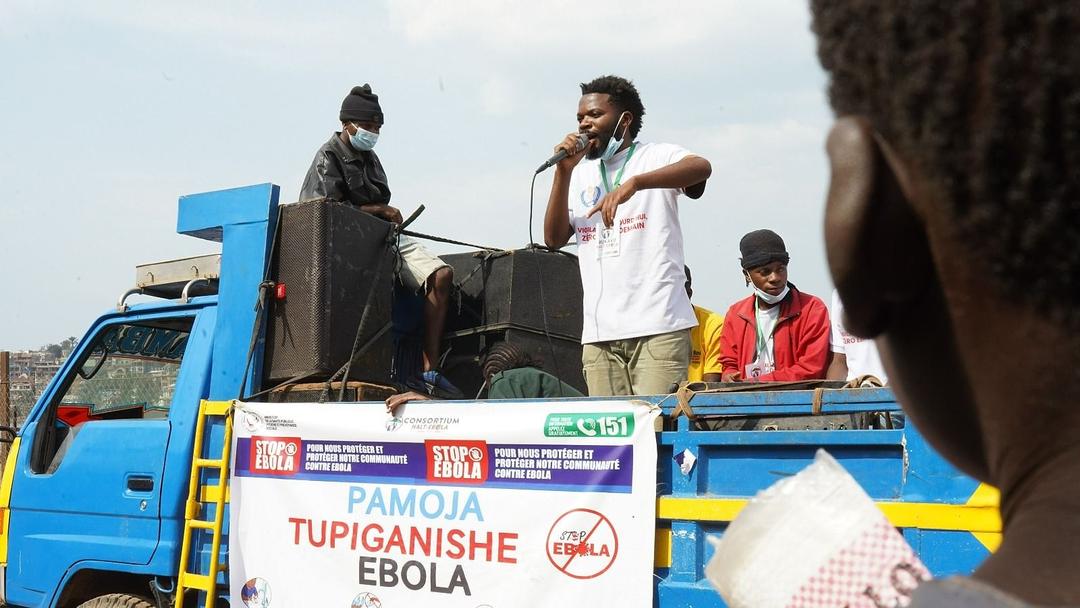
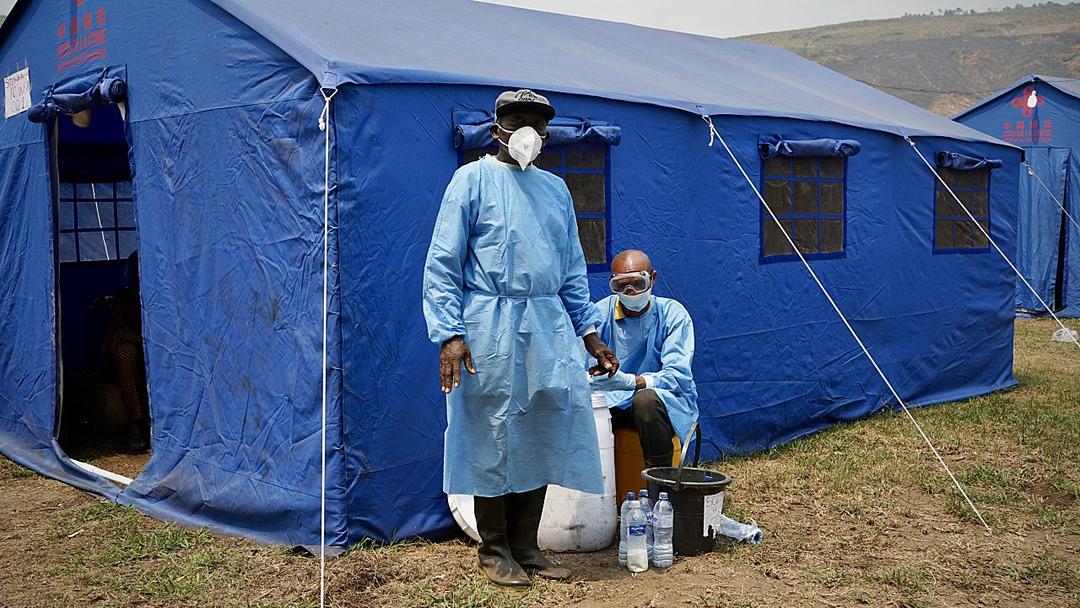
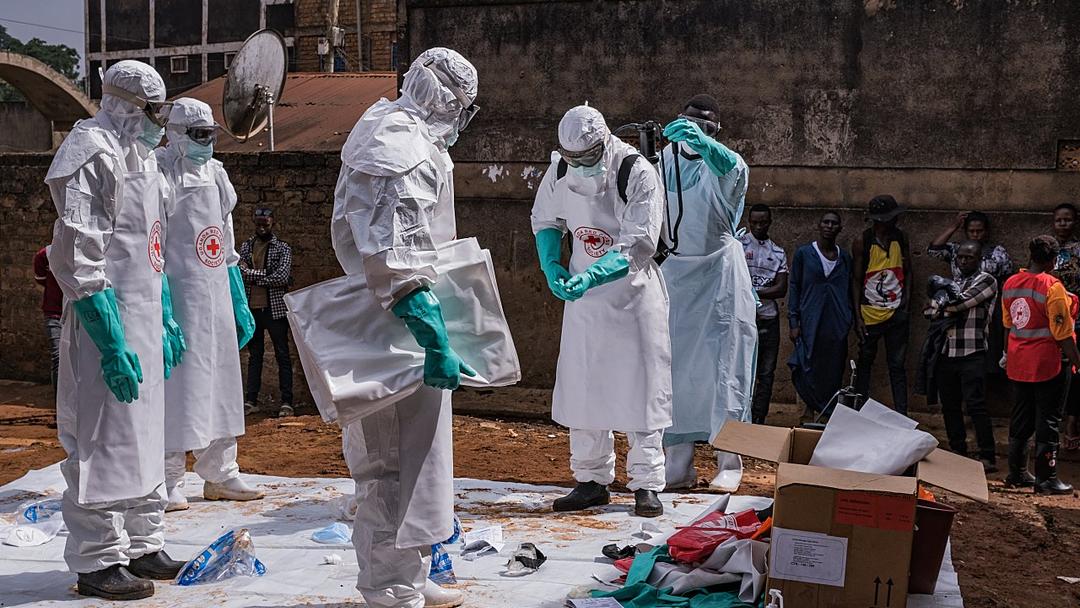
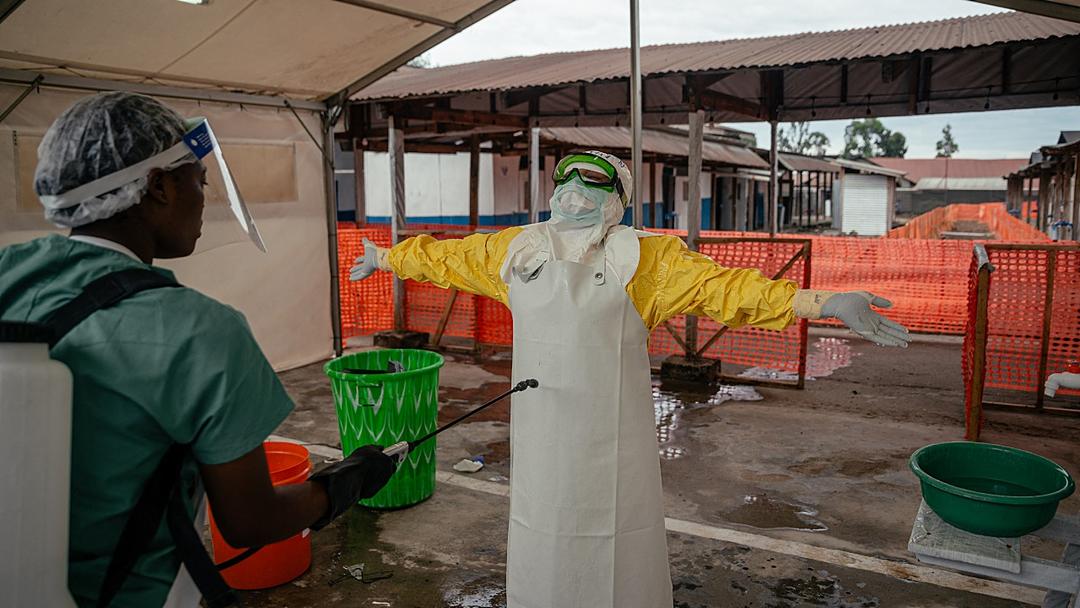
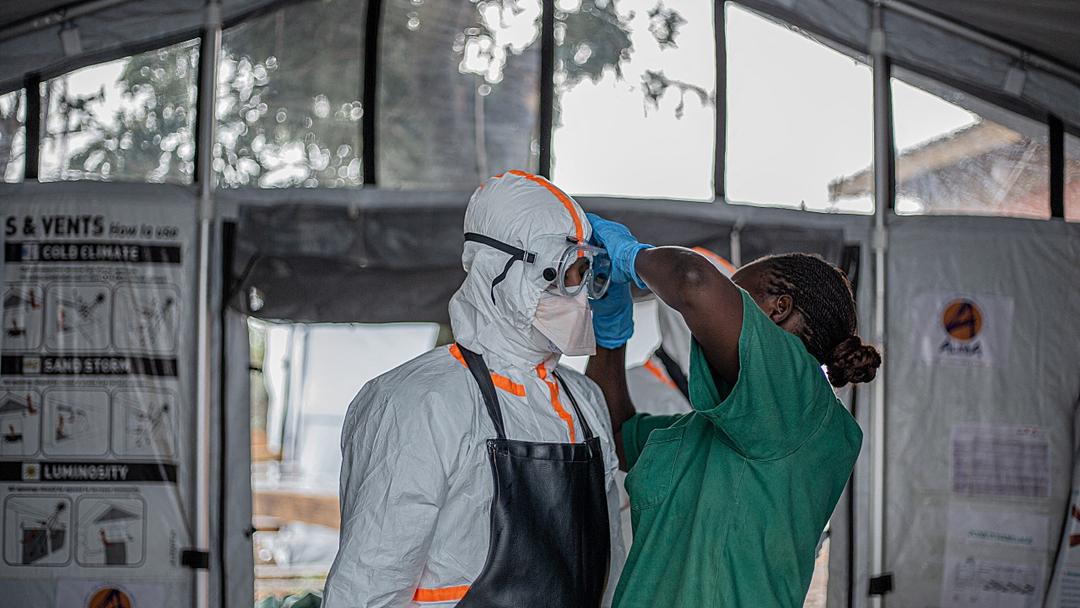
Ebola remains a threat to vulnerable communities and fragile health systems. The Bundibugyo strain lacks approved vaccines or therapeutics, making containment uniquely challenging. However, through vigilance, timely reporting, and strict prevention measures, virus spread can be controlled. Health workers, governments, and local communities are collaborating to protect lives and restore public health confidence. Ensuring access to essential health care for affected populations remains critical for recovery and long-term community well-being.

Narrative B
Ebola is no longer a distant threat confined to isolated regions; the rapidly spreading outbreak in Central Africa signals a possible global pandemic. Delayed detection, weak medical infrastructure, and limited vaccine availability have intensified fears of wider international transmission. If urgent global cooperation, surveillance, and containment measures are not strengthened immediately, Ebola could trigger severe humanitarian, economic, and public health consequences across vulnerable nations worldwide.
Narrative C
Ebola is a serious regional outbreak, but at present, it does not appear to be a massive epidemic, because the virus spreads primarily through direct contact with infected body fluids. Initial case numbers may rise quickly before declining as awareness increases. Communities in affected regions often respond rapidly once outbreaks become widely known, adopting safer behaviors and avoiding unnecessary contact. While the situation remains serious, the outbreak is already becoming largely self-contained and may eventually decline as the disease's severe clinical course tends to limit extended transmission

Narrative D
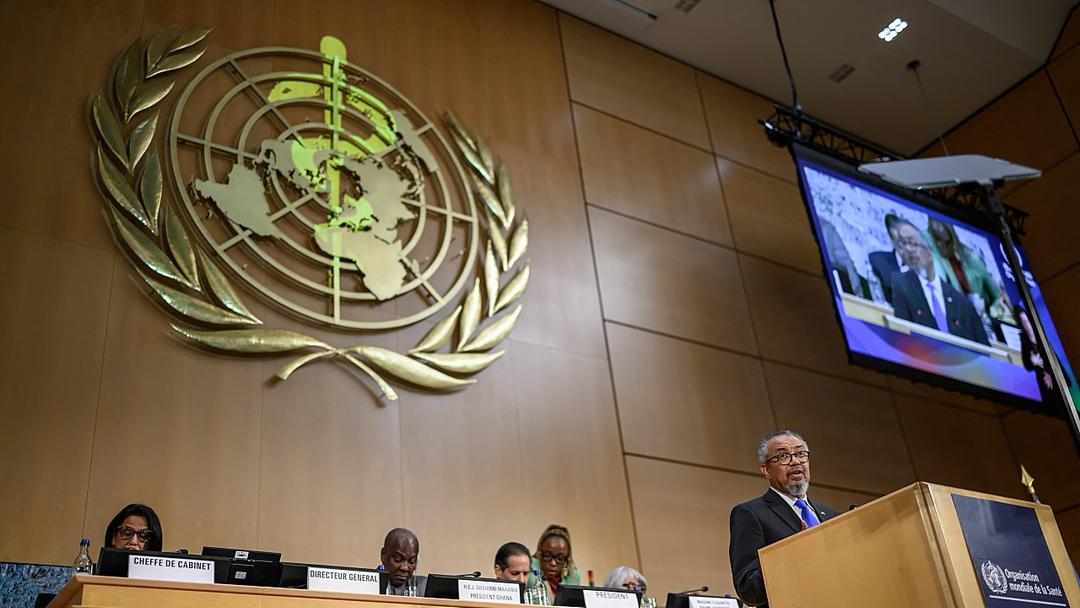
The growing Ebola crisis has exposed the consequences of weakening global public health support. Cuts to USAID programs and strained CDC partnerships reduced critical outbreak response measures, including airport screening, testing capacity and vaccine deployment. The withdrawal of U.S. cooperation with the WHO further disrupted communication and emergency coordination during a dangerous period. The overlapping crises of Ebola, measles, and hantavirus reflect the risks of reducing international investment in disease prevention and global health preparedness.

Metaculus Prediction
Go Deeper




























© 2026 Improve the News Foundation.
All rights reserved.
Version 7.18.2