Ebola Treatments Trial Begins in DR Congo

The Facts
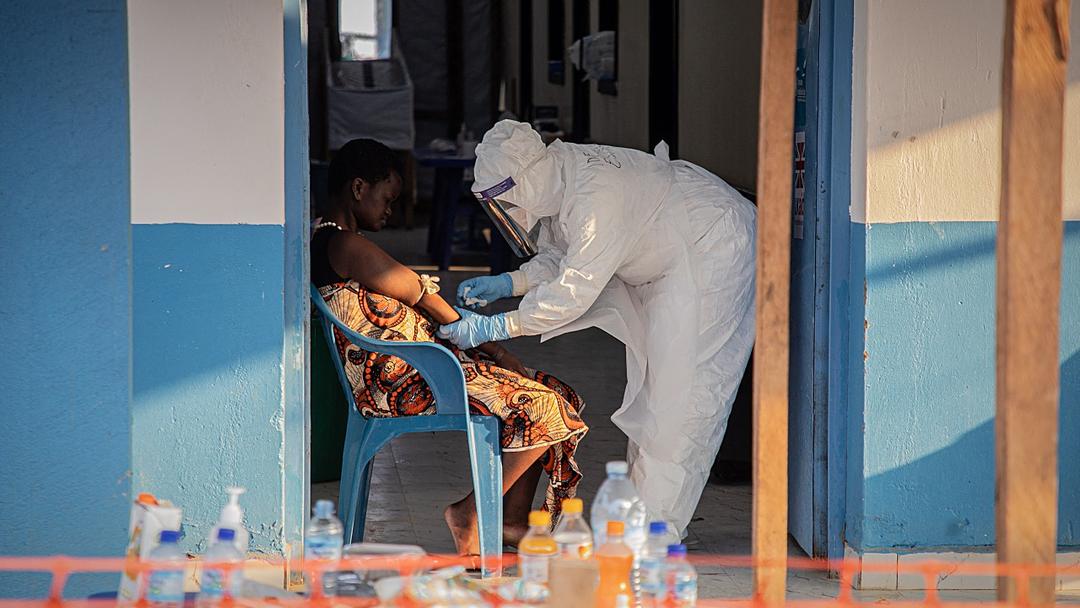
- The WHO said Thursday the PARTNERS (Platform Adaptive Randomised Trial for New and Repurposed Filovirus TreatmentS) clinical trial testing MBP134 and remdesivir against Bundibugyo virus disease has enrolled its first patient in the Democratic Republic of the Congo (DRC),
- The DRC Ebola outbreak has recorded 1,406 confirmed cases and 438 deaths as of Tuesday, with an average of 38 new confirmed cases per day over the past two weeks, according to the WHO. Africa CDC Director-General Jean Kaseya described the situation as "very serious."
- No approved vaccines or treatments currently exist for the Bundibugyo strain of Ebola. The PARTNERS trial will evaluate MBP134 and remdesivir individually and in combination, with the U.S. donating 400 doses of MBP134 and Gilead Sciences donating more than 2,000 vials of remdesivir.


Sources Split
LEFT
CENTER
RIGHT
+1
+2


+1

+1


ESTAB
CRIT
CENTER
PRO
ESTAB
The Spin
Narrative A
The PARTNERS trial is a landmark moment in global health — for the first time, patients with Bundibugyo virus disease can access promising investigational treatments like MBP134 and remdesivir during an active outbreak. Running research alongside the outbreak response, not after it, means evidence can reshape patient care in months rather than years. This is the kind of coordinated, science-driven action that saves lives.
Narrative B
Launching a clinical trial means little when the outbreak is spreading faster than any Ebola event on record, conflict blocks aid workers and 15 million people face a simultaneous humanitarian crisis. No approved vaccine exists for Bundibugyo, funding pledges keep falling short and cholera and measles are compounding pressure on an already overwhelmed health system. A trial is a start, but the response is nowhere near the scale this crisis demands.
Establishment-critical narrative
The PARTNERS rollout in the DRC may be framed as medical progress, but many Africans still remember being treated as the world's medical testing ground. From colonial-era abuses to Ebola-era drug trials, trust has repeatedly been broken. Any rollout of investigational treatments during outbreaks must guarantee informed consent, local oversight and access to successful therapies.
Metaculus Prediction
Public Figures






© 2026 Improve the News Foundation.
All rights reserved.
Version 7.17.1