UK: First Ebola Vaccine to Start Human Trials
The Spin
Pro-establishment narrative
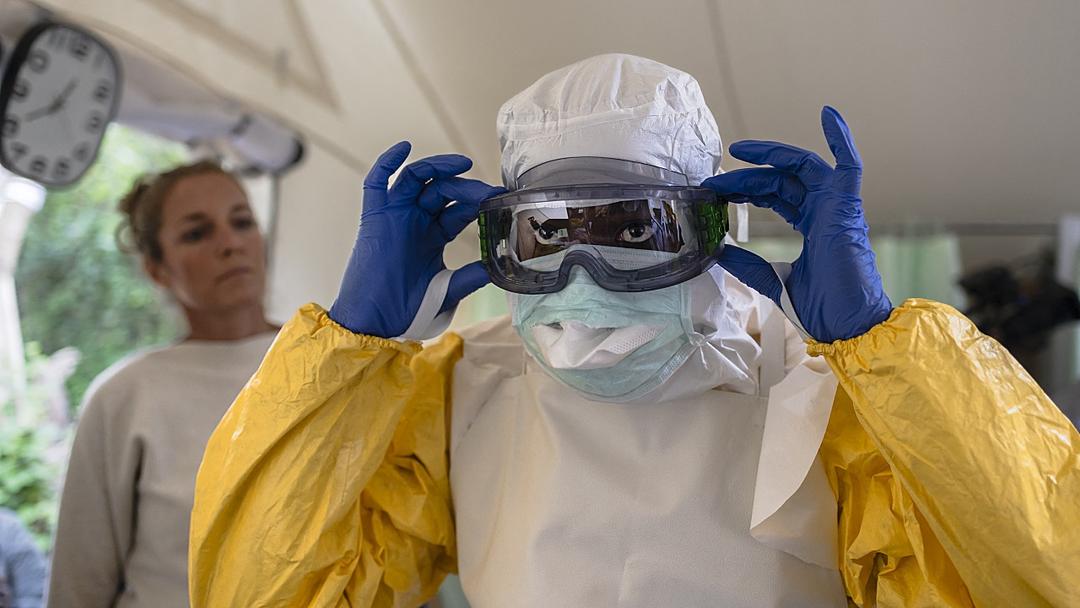
Oxford's launch of the world's first Bundibugyo ebolavirus vaccine trial is exactly the kind of rapid, coordinated global response that saves lives. Built on the same platform as the Oxford/AstraZeneca COVID vaccine, the ChAdOx1 BDBV candidate reached human trials just 57 days after the WHO declared an emergency. With 620,000 doses already stockpiled, this is science moving at the speed the moment demands.
Establishment-critical narrative
Calling the Bundibugyo Ebola vaccine trial a rapid response ignores the delays and weakened public health capacity surrounding it. Critics argue that cuts to agencies like the CDC and USAID have reduced outbreak preparedness just as threats from Ebola, measles, bird flu and other diseases are resurfacing. A vaccine alone can't replace the surveillance, expertise and global networks needed to detect and contain outbreaks quickly.
Narrative C
The Ebola crisis exposed deeper failures of Western intervention in Africa, where decades of colonial legacies left local communities vulnerable. Western responses often arrived late, prioritized foreign expertise over African medical knowledge, and used humanitarian crises to expand geopolitical influence. While vaccines and aid can help, sustainable solutions require strengthening local healthcare systems rather than relying on external powers.
Metaculus Prediction
The Controversies
Go Deeper
© 2026 Improve the News Foundation.
All rights reserved.
Version 7.13.0