Ebola Outbreak Soars as DRC Fatalities Near 1K

The Facts
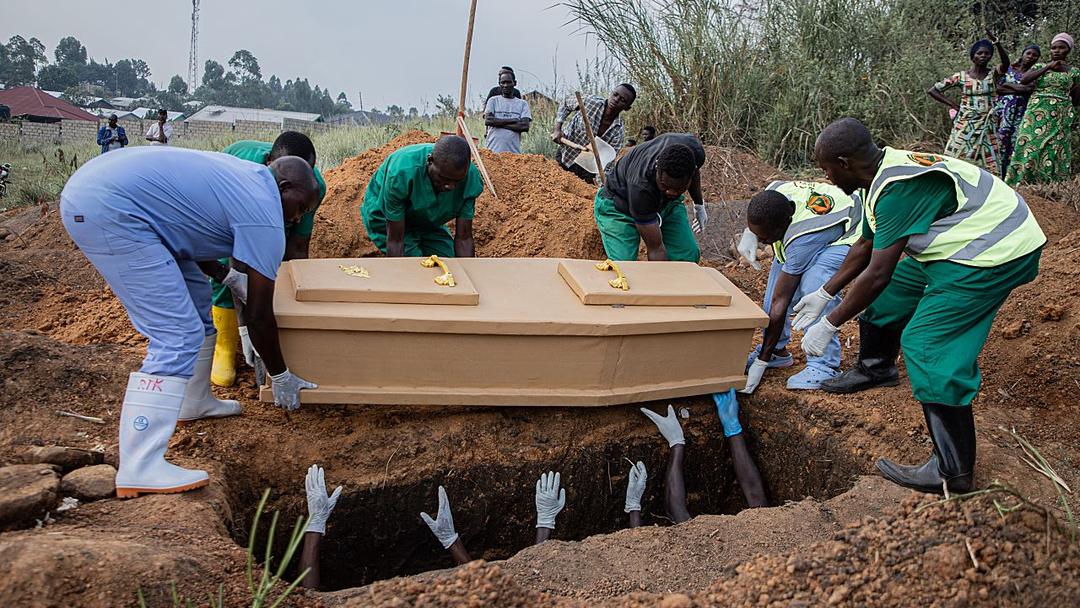
- Congo's Ebola death toll hit at least 930 on Monday, with 37 deaths recorded in a single 24-hour period from Friday into Saturday — the highest since the outbreak was declared on May 15.
- The outbreak, caused by the Bundibugyo strain of Ebola, is the fastest-growing on record. WHO chief Tedros Adhanom Ghebreyesus has noted that it reached 2,000 confirmed cases in two months.
- The WHO warned that 80% of new Ebola cases were emerging from unknown transmission chains, indicating the virus was spreading faster than health officials could track despite an expanded response.


Sources Split
LEFT
CENTER
RIGHT


+3

+1
+2
ESTAB
CRIT
CENTER
PRO
ESTAB
The Spin
Narrative A
The Ebola crisis in the DRC is a failure of political will and funding, as decades of neglect left the country without the surveillance capacity to catch this outbreak early. Cutting U.S. aid, which once covered 70% of DRC humanitarian spending, has been devastating. African leaders must treat public health as essential infrastructure, because deadly diseases left unchecked don't just kill people, they collapse economies.

Narrative B
Blaming funding gaps misses the deeper rot — colonialism, World Bank-driven health care privatization and mineral extraction deals that trade medicine for resources created the conditions for Ebola to thrive. DRC communities' distrust in responders is historically earned. No amount of messaging fixes an outbreak when the system treating sick people as problems to manage rather than humans to care for remains intact.


Narrative C
Disinformation is accelerating Ebola's spread as fast as the virus itself. Rumors about coffins, vehicle antennas and government conspiracies have driven arson attacks on treatment centers and sent infected patients fleeing into communities. Cuts to health communication budgets make this worse, leaving fact-checkers under-resourced and community leaders without reliable information. Getting local leaders access to accurate, locally spoken information makes the difference between containment and catastrophe.

Metaculus Prediction
Public Figures




© 2026 Improve the News Foundation.
All rights reserved.
Version 7.18.2