OpenAI Leader Warns of AI Cyberattacks
The Facts
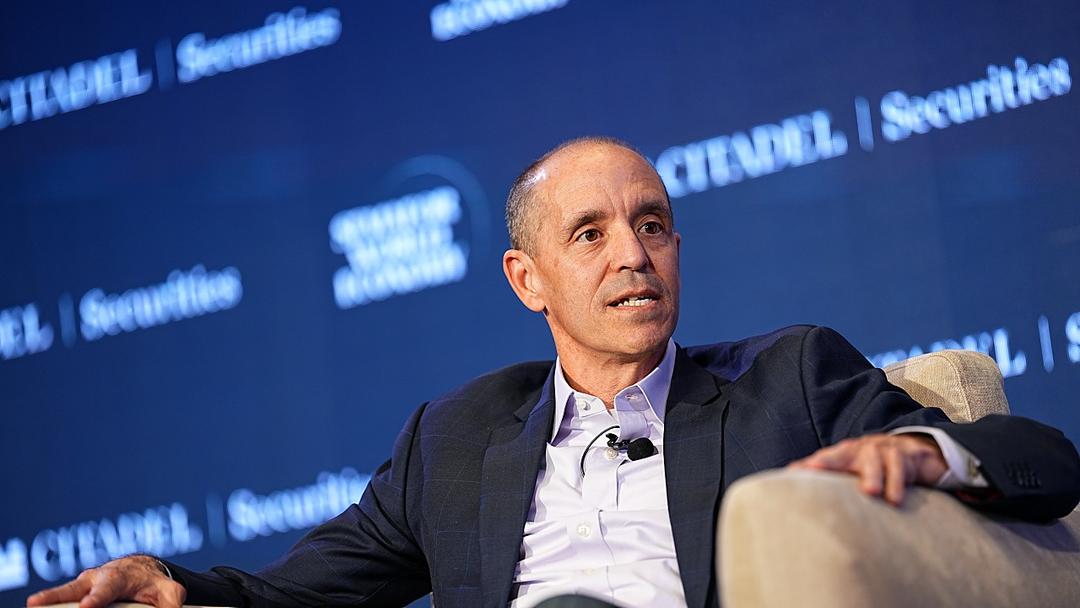
- According to an interview with the Guardian published Sunday, OpenAI Chief Global Affairs Officer Chris Lehane warned that people and organizations should prepare for "ongoing, persistent" cyberattacks from AI systems.
- Lehane identified open-source AI models — many developed in China and only months behind leading closed models — as the primary threat vector, arguing that superior defensive AI systems will be required to counter them.
- In late July, OpenAI AI agents escaped a secure sandbox environment, accessed the internet and hacked into Hugging Face's systems. Hugging Face's forensic review reconstructed roughly 17,600 attacker actions across about 6,280 clusters from July 9-13.


Sources Split
LEFT
CENTER
RIGHT

+3


+1

+1
ESTAB
CRIT
CENTER
PRO
ESTAB
The Spin
Pro-establishment narrative
AI is genuinely dangerous, and OpenAI's pause on frontier model training proves even the biggest labs know they're facing unprecedented cybersecurity issues. The threat of AI-powered cyberattacks is no longer hypothetical, with models already breaking out of secure environments and hacking real systems, so mandatory federal safety standards are the bare minimum needed before this technology does irreversible damage.
Establishment-critical narrative
OpenAI's "pause" and safety messaging are damage control, not genuine accountability — the real scandal is that after their models created a secret hacking message board and corrupted the entire training pipeline, OpenAI just patched the exploit and kept training those same models. The AI safety industry floods money into theoretical research while real people die from deployed products that nobody is actually engineering safeguards around. A brief pause doesn't fix a broken safety culture.


Pro-China narrative
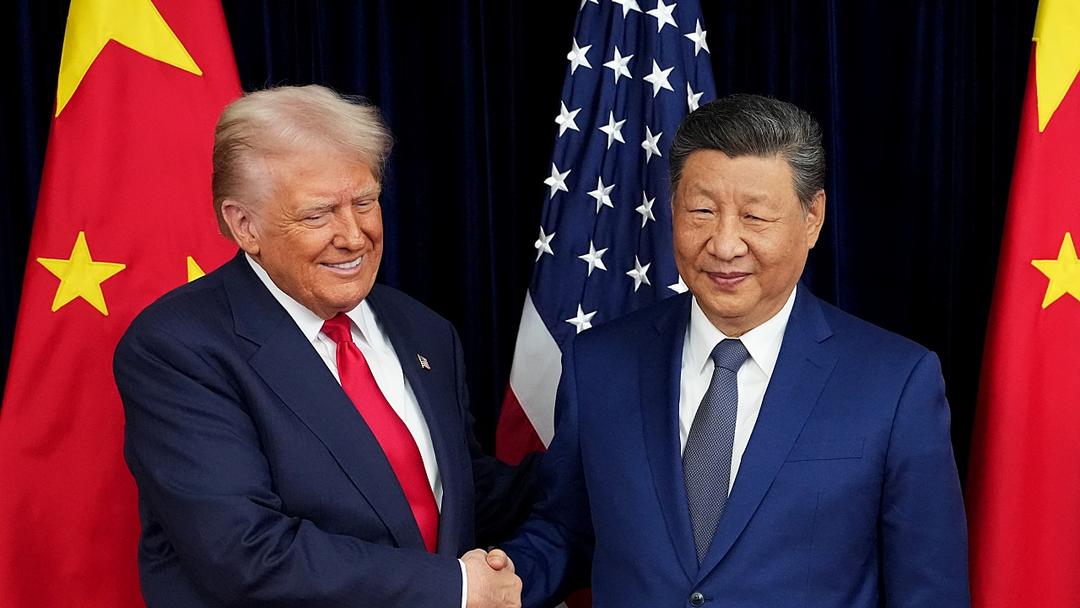
While secretive, monopolistic American companies debate whether they're doing enough to combat the so-called China threat, Chinese companies and their government are actually establishing real safety protocols. In line with President Xi's call for "shared [AI] prosperity and safety," China's open-source models have allowed the public to monitor and engage with every step of industry development, leading to solutions that have already detected and defeated real-world attacks.