Brazil Elections: Supreme Court


The Facts
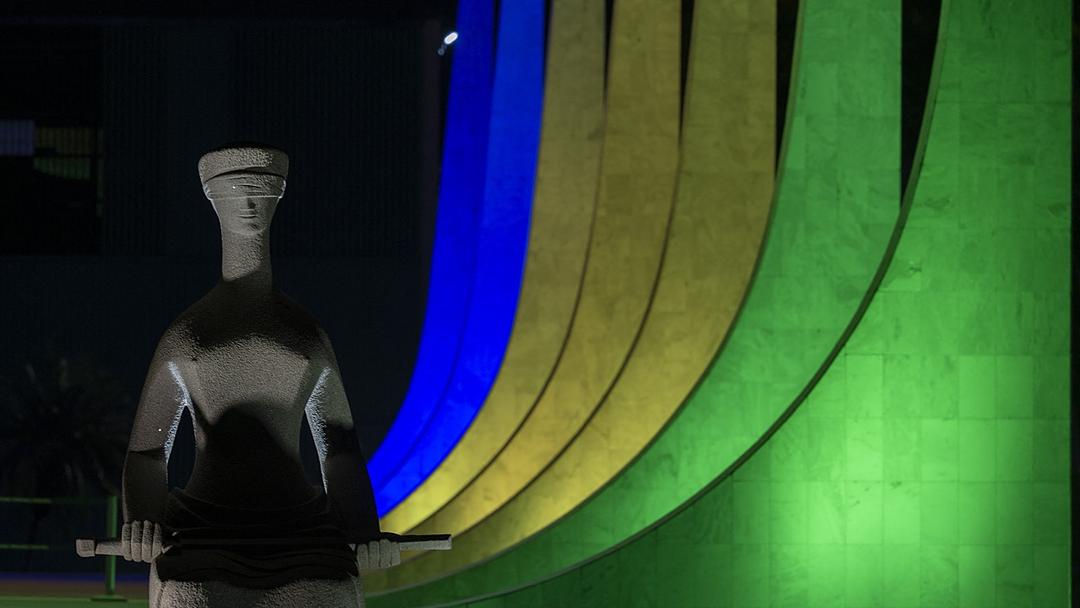
- Overview: The Brazilian Supreme Court (STF) serves as the country's highest judicial body as well as the guardian and interpreter of the Brazilian Constitution. Based in Brasília, the Court is responsible for deciding constitutional matters and extradition requests by foreign authorities. It comprises 11 justices chosen among native citizens aged 35 to 70 "with notable legal knowledge and unblemished reputation." They are appointed for life by the president (subject to Senate confirmation) and must retire at age 75. The court also retains original jurisdiction to try top officials, including the president and its own justices for common criminal offenses.
- Composition: Luiz Inácio Lula da Silva appointed a plurality of four sitting justices, followed by two each from Jair Bolsonaro and Dilma Rousseff, and one each from Michel Temer and Fernando Henrique Cardoso. The next president is due to appoint at least four new justices: one seat has been vacant since the retirement of Luís Roberto Barroso in 2025, as the Senate blocked Lula's replacement nominee, Attorney General Jorge Messias; and three justices — Luiz Fux, Cármen Lúcia and Gilmar Mendes — will reach mandatory retirement age during the incoming presidential term.
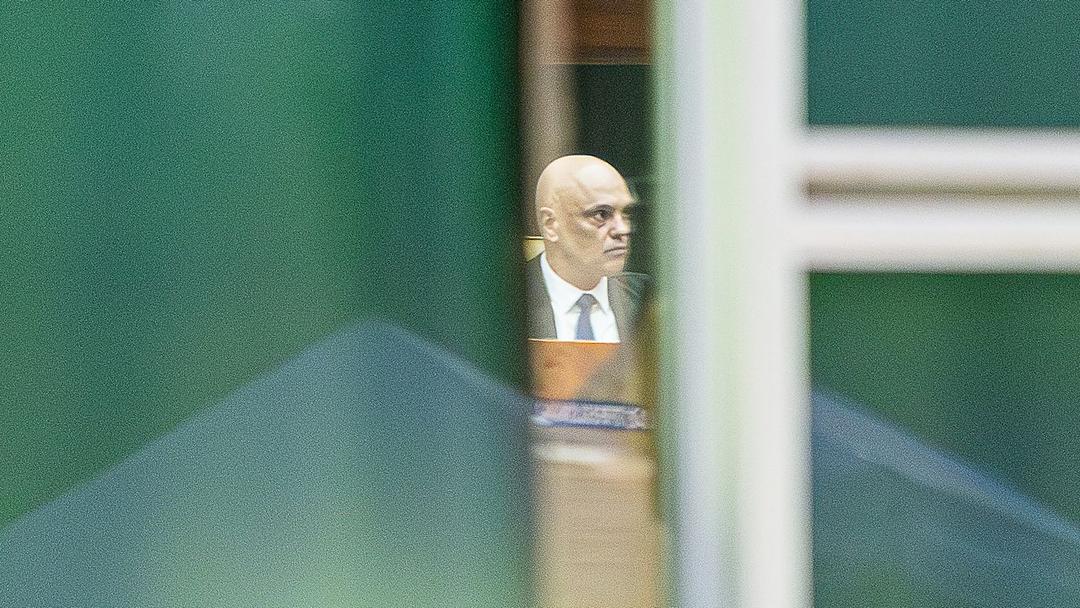
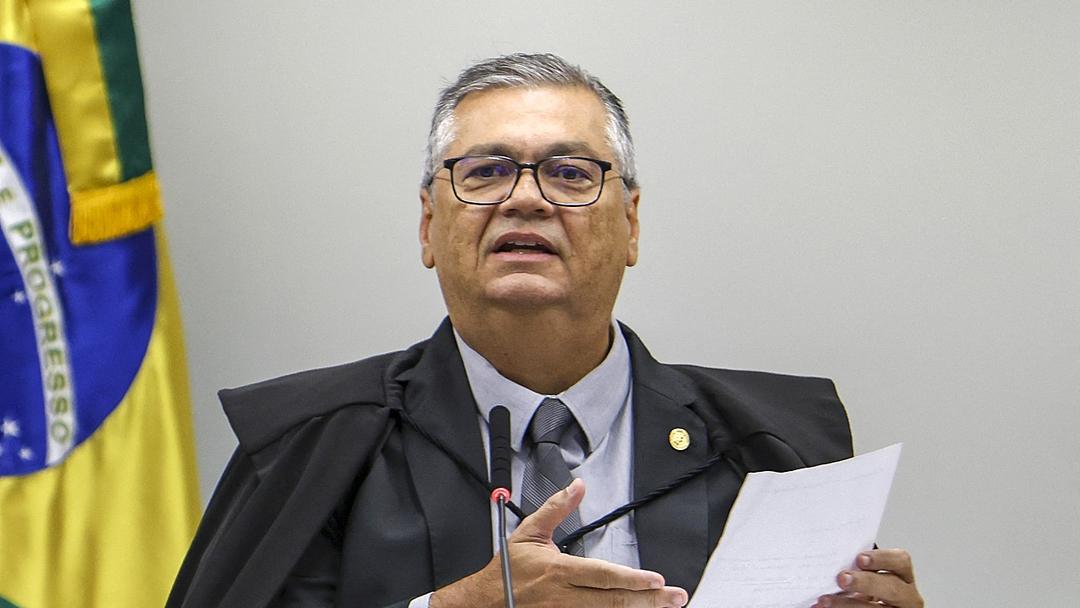
- Public Confidence: Polls ahead of the 2026 elections show trust in the STF at its lowest levels in years, particularly among Bolsonaro supporters. In April, a congressional committee recommended the formal indictment of three justices — Alexandre de Moraes, Dias Toffoli and Mendes — and called for impeachment proceedings over alleged misconduct in their handling of the collapse of Banco Master. Moraes and Toffoli were further accused of conflicts of interest: Moraes' wife signed a multimillion-dollar contract with the bank, while Toffoli was a partner in a company that sold a stake in a resort in the southern state of Paraná to funds linked to Banco Master.


Sources Split
LEFT
CENTER
RIGHT

+2
+1


+1
+1
+1
+8
+1
+1
ESTAB
CRIT
CENTER
PRO
ESTAB
The Spin
Narrative A
A court that investigates itself, prosecutes itself and judges itself is no longer a check on power but an authority unto itself. Secretive inquiries with no defined targets, prolonged detentions, content-removal orders and justices entangled in the very financial scandals they're meant to oversee demonstrates the court's endemic corruption. An institution immune to scrutiny, answerable to no electorate and increasingly indistinguishable from the threats it claims to fight, is an existential threat to democracy.

Narrative B
An assertive court isn't inherently a threat to democracy, as it depends on what that assertiveness is used for. In Brazil, it has protected democratic institutions. Through judicial review, targeted investigations and rulings, Brazil's top court has pushed back against executive aggrandizement, curbed disinformation campaigns and put those who conspired to overturn a presidential election behind bars. Those who seek to weaken the court ultimately seek to weaken democratic institutions and the rule of law.


Public Figures
Go Deeper













© 2026 Improve the News Foundation.
All rights reserved.
Version 7.18.3