SpaceX Rocket Leaves 60-Foot Crater on the Moon
The Facts
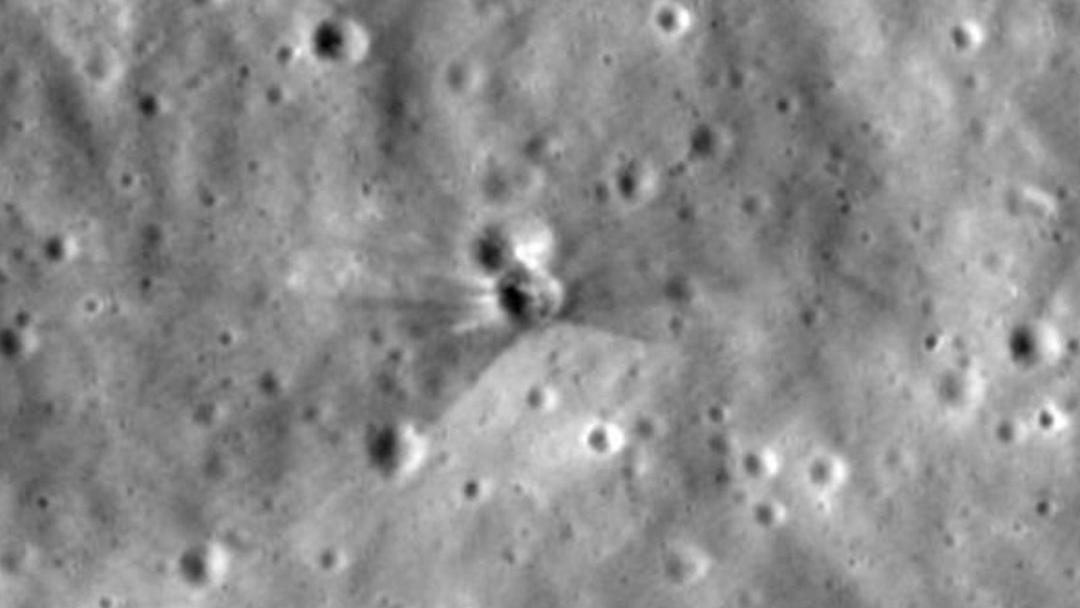
- NASA released before-and-after images on Tuesday showing a new crater on the Moon, formed when a SpaceX Falcon 9 upper stage struck the lunar surface on Aug. 5 at an estimated 5,400 mph (8,690 kph).
- Images captured by NASA's Lunar Reconnaissance Orbiter (LRO) on Aug. 11 and 12 show the crater measures approximately 60 feet (18 m) wide and less than 10 feet (3 m) deep. Engineers tilted the spacecraft so its cameras could target the site from about 60 miles (97 km) up.
- The orbiter circles the moon pole to pole every two hours, and it took six days for the crash site to rotate into view. Timing had to be precise as even a 10-second camera delay would shift the target off-center by 10 miles (16 km).


Sources Split
LEFT
CENTER
RIGHT
+1
+1
+3
+1
ESTAB
CRIT
CENTER
PRO
ESTAB
The Spin
Narrative A
NASA's LRO delivered the sharpest, most detailed look yet at the crater left by a SpaceX Falcon 9 upper stage that struck the Moon on Aug. 5, measuring it at 60 feet wide and less than 10 feet deep. The precision required to capture these images — tilting the orbiter, nailing timing to within 10 seconds — shows exactly how capable existing lunar infrastructure is. This is a genuine scientific win, revealing fresh subsurface material and validating new planetary defense tracking tools.

Narrative B
SpaceX left a Falcon 9 upper stage adrift after its January 2025 launch, and a little extra fuel could have pushed it into a safe solar orbit, but that choice wasn't made, and now there's a fresh crater on the Moon. The crash does offer some scientific value, with spectrometry detecting lithium and sodium in the debris plume, but the bigger takeaway is that space debris is a growing problem for future trips and exploration that the industry isn't taking seriously enough.







© 2026 Improve the News Foundation.
All rights reserved.
Version 7.17.1