Disclosure Day

The Facts
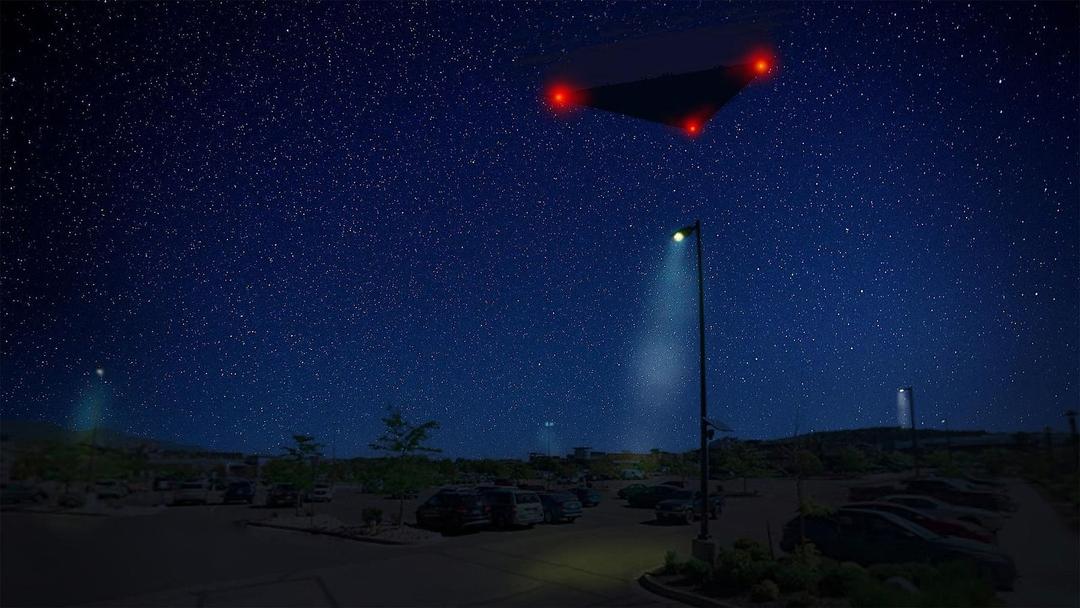
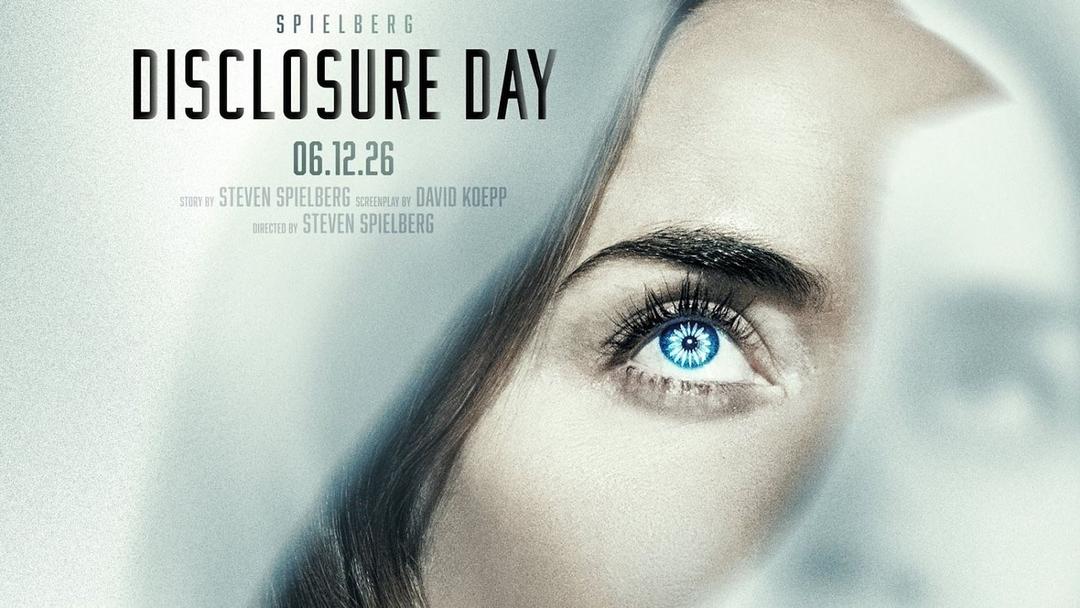
- Movie Overview: "Disclosure Day" is a sci-fi thriller directed by Steven Spielberg, written by David Koepp from a story by Spielberg. The 2-hour, 25-minute film, released June 12, centers on a group trying to release classified evidence of extraterrestrial life to the public. The story follows Daniel Kellner (Josh O'Connor), a cybersecurity expert and former employee of the covert private company Wardex, and Margaret Fairchild (Emily Blunt), a Kansas City TV meteorologist who develops psychic abilities. Together they evade Wardex operatives led by Noah Scanlon (Colin Firth).
- Context: Billed as the spiritual successor to his 1977 classic "Close Encounters of the Third Kind," Spielberg began developing the story for "Disclosure Day" in 2017 before completing it in 2023. According to Spielberg and Koepp, the film drew on real-world research, including congressional UAP whistleblower testimony and government documents dating back to the 1940s. Spielberg has said he believes extraterrestrial life exists and, based on what he called "circumstantial evidence," that aliens have "absolutely" visited Earth.
- Creative Intent: Koepp has said the creative team deliberately chose to make a film affirming existing public beliefs about alien visitation rather than contradicting them. The film's central moral argument is that empathy is humanity's greatest strength, but that it has been eroded by lies and emotional dishonesty. Spielberg has described the film as exploring what would happen if a whistleblower released 80 years of visual evidence of extraterrestrial contact, and the forces that would mobilize to stop such a disclosure.


Sources Split
LEFT
CENTER
RIGHT
+4
+3
+3


ESTAB
CRIT
CENTER
PRO
ESTAB
The Spin
Left narrative
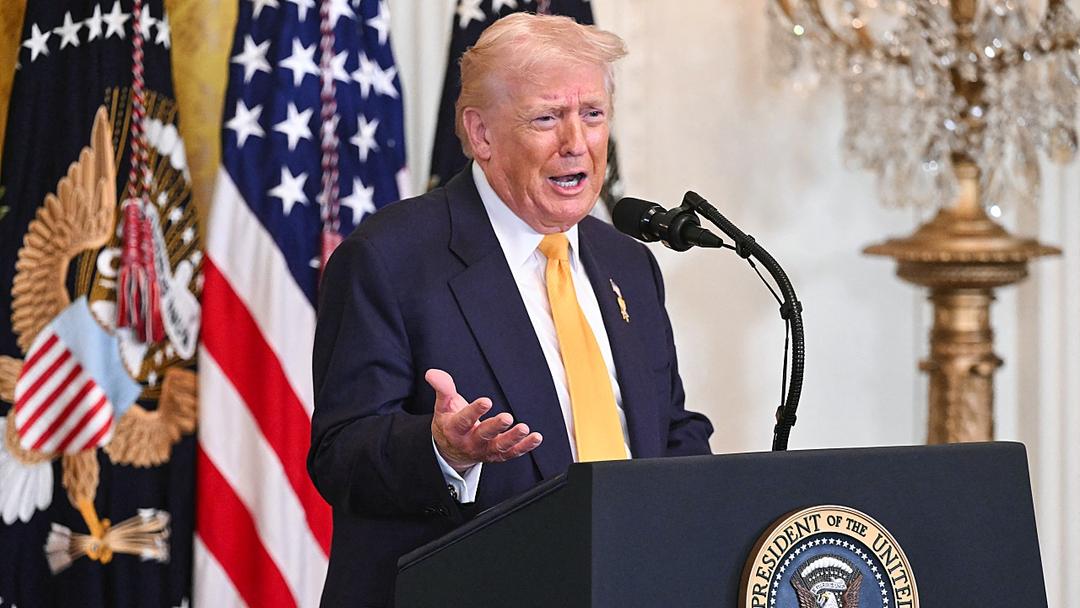
"Disclosure Day" pushes back against a political moment defined by dehumanization. Spielberg's moral refrain — "Don't be afraid of what you don't know" — carries particular weight against a backdrop where the Trump administration brands immigrants as alien invaders on the propaganda website Aliens.gov. Emily Blunt's telepathic weatherwoman embodies radical empathy, and the film's theological thread — that Genesis crowns humans supreme only on Earth — quietly dismantles supremacist thinking. Spielberg reminds us that accepting we are not alone demands humility over dominance, wonder over fear.
Right narrative
"Disclosure Day" is boomer Hollywood preaching sold as sci-fi spectacle. Spielberg squanders a genuinely fascinating subject — real UFO disclosure — to deliver a lecture on empathy and immigration politics, spending most of the film on buildup before disclosure finally arrives. The film's villain exists to be defeated without credible motivation, its world-building is nonexistent, and its climax asks audiences to believe a local TV broadcast unites a nuclear-armed planet. Actual UFO researchers spend careers risking everything for real answers — Spielberg spent two and half hours avoiding every single one of them.
Cynical narrative
"Disclosure Day" is visually stunning, but Spielberg's vision of disclosure feels detached from reality. The film assumes footage of abused aliens aired on local TV would trigger both belief and universal outrage, despite deepfakes, media distrust and persistent indifference to human suffering in today's world. People already witness war and atrocities against "others" without consensus or action. Spielberg imagines empathy as the default response. Reality suggests skepticism, tribalism, and self-interest usually win.