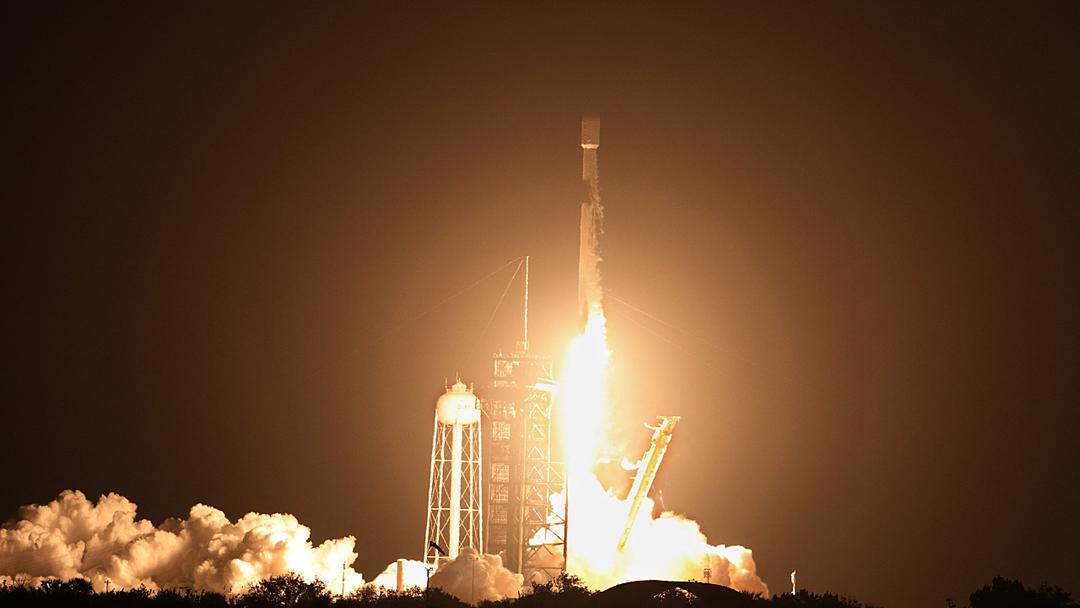
SpaceX Rocket Stage Crashes Into Moon
The Spin
Narrative A
This accidental lunar crash is genuinely exciting science — researchers finally get to study a well-documented impact on the Moon with known size, speed and mass. The ejecta plume likely rose 60 miles high, offering rare data on crater formation and lunar dust behavior. This is exactly what sharpens models that will protect future astronauts on the surface.
Narrative B
This is a stark reminder that reckless disposal of rocket stages has real consequences. SpaceX lacked enough fuel to properly deorbit this stage, and now the lunar surface permanently bears the mark of that failure. With astronauts and lunar bases on the horizon, leaving spent rocket stages in chaotic orbits is a dangerous habit the industry cannot afford to keep.
Metaculus Prediction
The Controversies
Go Deeper
© 2026 Improve the News Foundation.
All rights reserved.
Version 7.16.0