Prize-Winning Novel Faces AI Authorship Allegations
The Spin
Narrative A
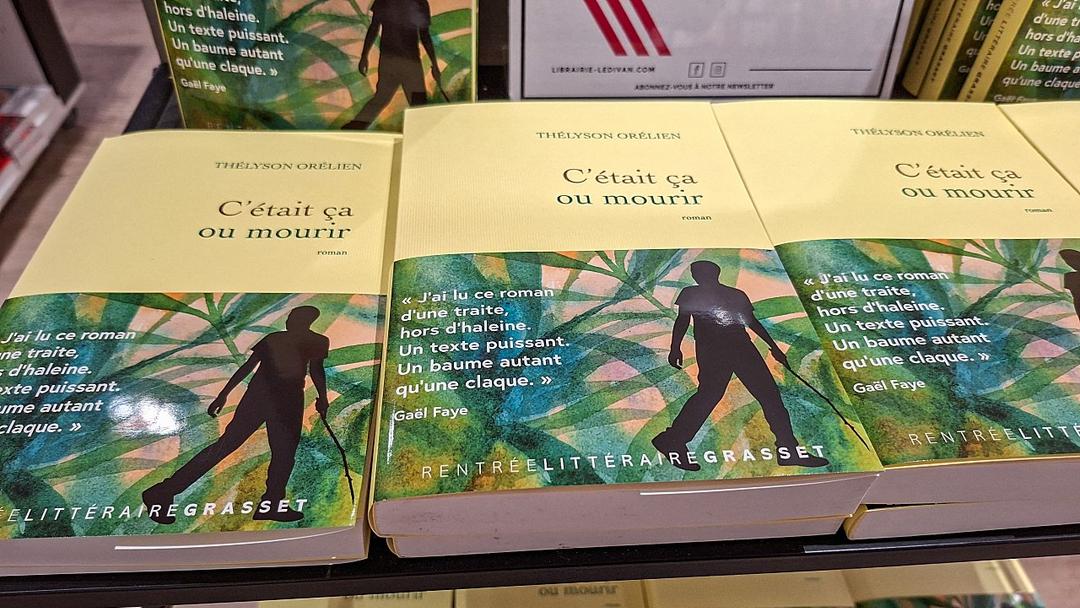
A detector with a false positive rate near zero flagged passage after passage of this prize-winning novel as machine-made, and the odds of that happening by chance are effectively nil. Readers were sold a story as human craft while a language model did the heavy lifting, and that is deception. Use AI if it helps, but say so — hiding it betrays every reader who paid for a human voice.
Narrative B
An anonymous account and one piece of software should not be allowed to destroy a writer's reputation, especially when experts have questioned how reliable AI detection really is. The rhythms, repetitions and imagery here come from Haitian and Caribbean traditions that detection tools trained on classical French were never built to recognize. Both publishers have read the work and stand behind him.
Narrative C
Why treat AI-assisted writing as a scandal in 2026? Ghostwriters have always helped authors shape books, and AI is simply a new tool. What matters is the work and the author's responsibility for it, not whether a machine helped produce the words.
Metaculus Prediction
The Controversies
© 2026 Improve the News Foundation.
All rights reserved.
Version 7.16.0