AI: Deepfakes


The Facts
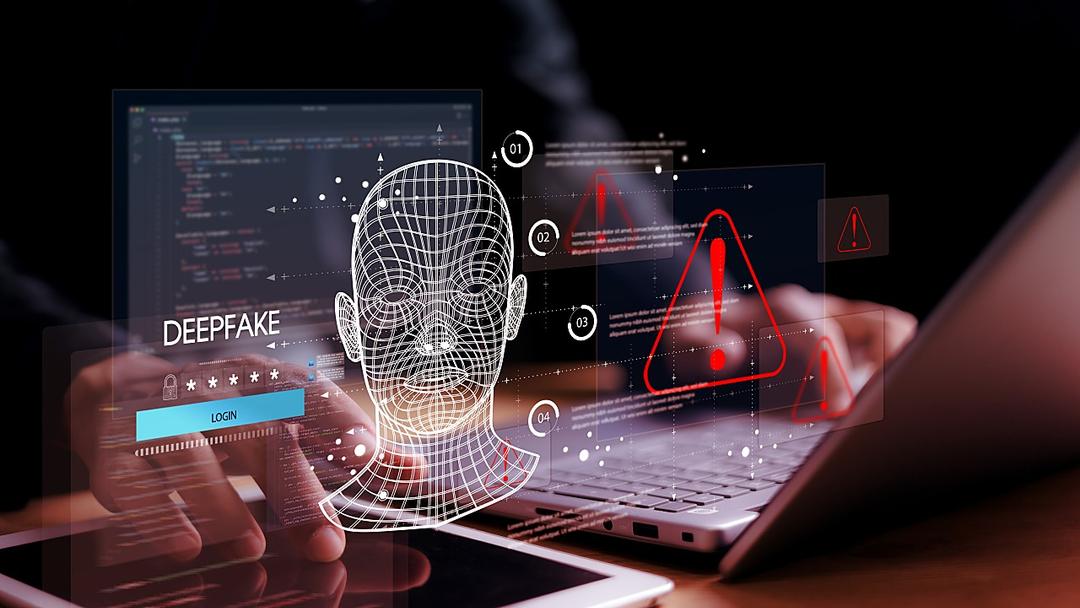
- Overview: Deepfakes are AI-generated audio-visual content deliberately designed to misrepresent someone or something, utilizing neural networks trained on extensive datasets to imitate real individuals or synthesize fictional ones. The term first appeared in 2017, coined by a Reddit user to describe pornographic content featuring faces of famous women. Modern deepfake generation techniques employ generative adversarial networks and diffusion models, enabling sophisticated manipulation of video, audio, images and text content with increasing accessibility and realism.
- Prevalence: Deepfakes have become increasingly prevalent online, with estimates suggesting approximately eight million deepfakes were shared in 2025 compared to 500,000 in 2023. A survey by the Alan Turing Institute in 2024 found that 15% of U.K. adults have been exposed to harmful deepfakes, while 90% expressed concern about the issue. Deepfakes disproportionately target women, with approximately 90-95% of deepfake videos since 2018 being non-consensual pornography, according to Sensity AI research.
- Common Tropes: Though continuously adapting, visual deepfakes often produce recurring artifacts rooted in the generation process, with inconsistencies in facial symmetry, skin texture and accessories among the most documented. Extra fingers, fused digits and limbs that fail to connect to the body are among the most common indicators identified in research taxonomies of AI-generated images. Occlusions, where hands, hair or glasses intersect with the face, are another potential identifier. Abnormal eye blinking patterns, a spontaneous and unconscious human behavior, are also a well-documented artifact of synthetic generation.


Sources Split
LEFT
CENTER
RIGHT
+2


+1
+3


ESTAB
CRIT
CENTER
PRO
ESTAB
The Spin
Pro-Industry
Deepfake technology poses an urgent threat requiring comprehensive legal action across the entire supply chain. Nonconsensual AI-generated pornography has surged in recent years, the vast majority of which targeting women and minors. Deepfake fraud has also substantially increased, threatening individuals and businesses through identity theft. Democratic processes face unprecedented danger as half the world's population approaches elections amid rapidly spreading political deepfakes. There is no other option than banning this harmful technology entirely.

Industry-Critical
Despite legitimate concerns about abuse and consent, deepfake regulation risks becoming a tool for censorship rather than protection. Governments threatening platforms that champion free speech while ignoring AI image generators reveal the true motive: controlling information. Restricting deepfakes ignores their complexity as tools for satire and creativity within public discourse, yet heavy-handed restrictions mirror authoritarian internet censorship systems. The rush to regulate may enable governments to suppress dissent under the guise of combating misinformation, threatening fundamental liberties.