Declassified CIA Files Point to Alleged Election-Rigging Efforts in Venezuela

The Facts
- A six-page CIA assessment declassified after U.S. President Donald Trump's prime-time White House address on Thursday indicates an alleged interest from Venezuelan government officials in manipulating electronic voting systems and circumventing audit procedures.
- Dated June 29, 2026, the Summary of Select Intelligence Reporting from 2004-2020 on Venezuela's Electronic Voting Manipulation Capabilities shows that U.S. intelligence sources reported that Venezuela had developed "sustained interest" in the matter "and likely some capability."
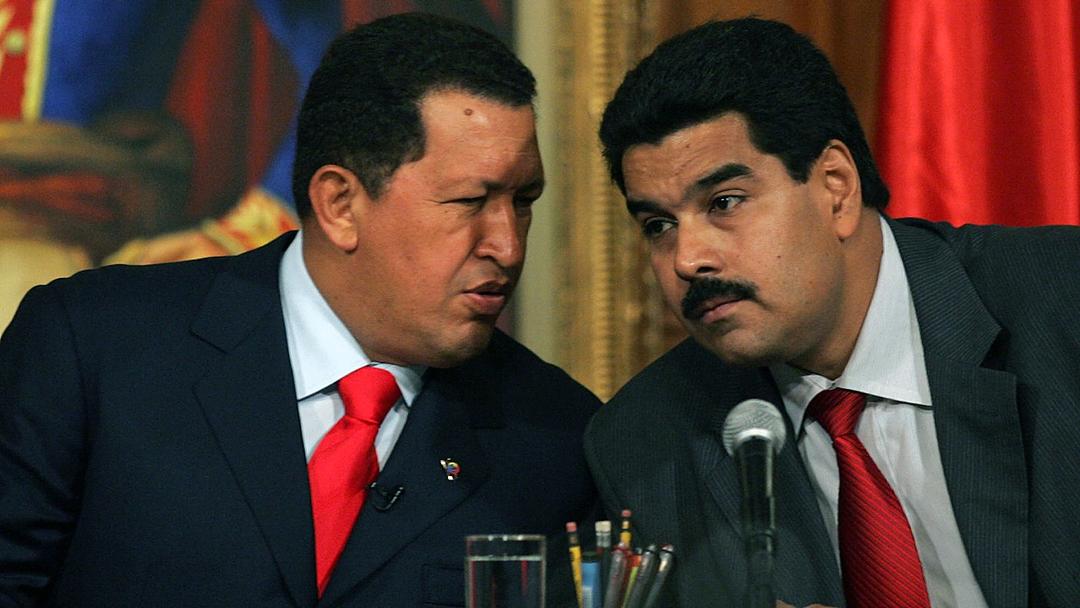
- It states that intelligence services worked with the National Electoral Council and Smartmatic in plans to use preprogrammed voting machines to ensure Hugo Chávez's win in the 2012 presidential election. He won by 1.6 million votes, but the CIA assessed that there was no large-scale electronic fraud.


Sources Split
LEFT
CENTER
RIGHT

+1


+1
ESTAB
CRIT
CENTER
PRO
ESTAB
The Spin
Pro-Trump narrative
This newly declassified assessment confirms what many suspected: Chavismo spent nearly two decades developing the capability to rig elections electronically. From Chávez's 2012 win to detailed 2020 rigging plans, Caracas worked to manipulate results undetectably. This isn't speculation. If Chavismo built these tools for itself, Americans deserve to ask what are the implications for U.S. election infrastructure.
Anti-Trump narrative
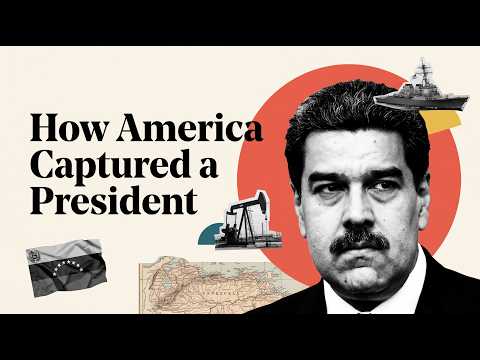
Trump spent years claiming 2020 was stolen, but courts and his own DOJ found no evidence. Now, he's reviving the Venezuela theory his intelligence chiefs already debunked. The timing isn't coincidental: Maduro has been in U.S. custody for months and could confess to interference in exchange for leniency, handing Trump the retroactive vindication reality never gave him.
Pro-Maduro narrative
Despite outrage and media headlines claiming the opposite, the actual conclusion is that the CIA found no proof electronic manipulation in Venezuelan elections ever occurred. After two decades of accusations against Caracas, all that exists are intelligence reports describing an alleged interest and theoretical vulnerabilities, far from any evidence of a crime.

Anti-Maduro narrative
No confirmed electronic vote-rigging doesn't mean Chavismo ran fair elections. The playing field was rigged long before ballots were cast, especially as candidates like María Corina Machado were disqualified by administrative fiat. The Carter Center found the electoral process violated Venezuela's own laws at every stage. The fraud was primarily in the courts, the registry, and the rules themselves.