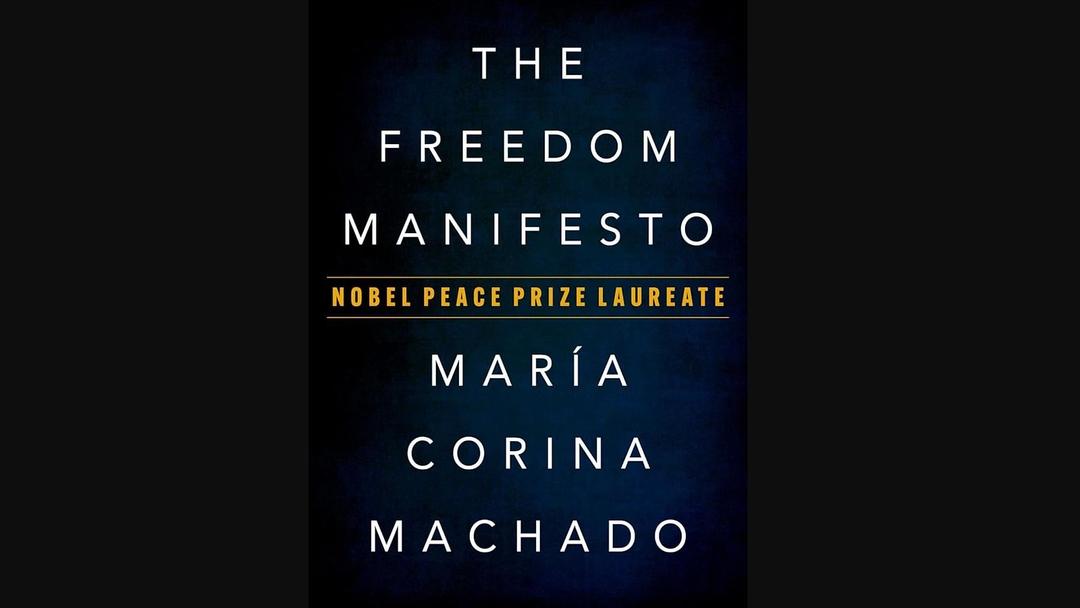
The Freedom Manifesto

The Facts
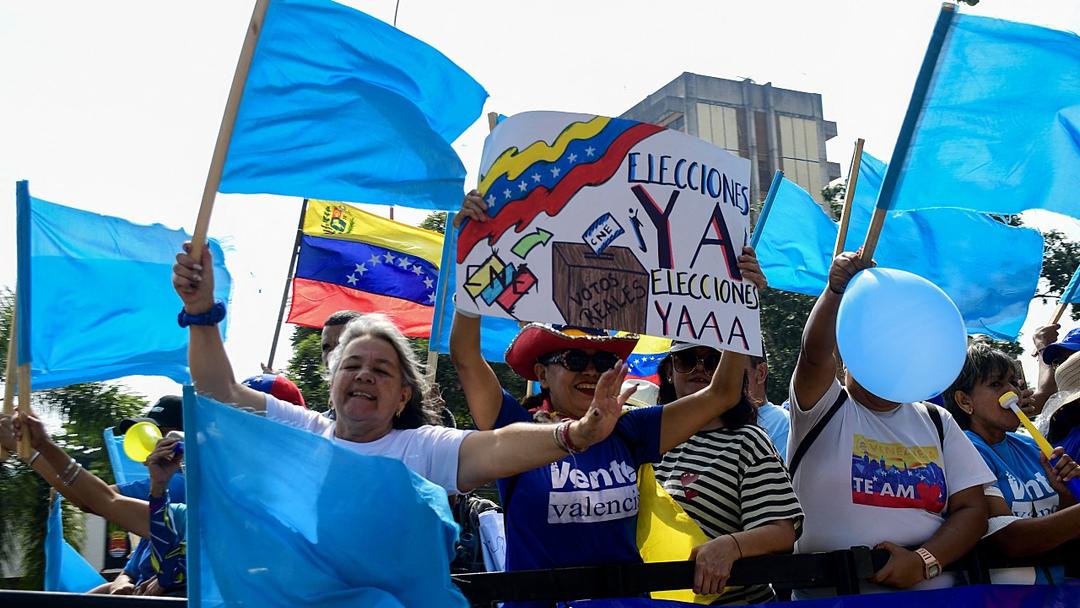
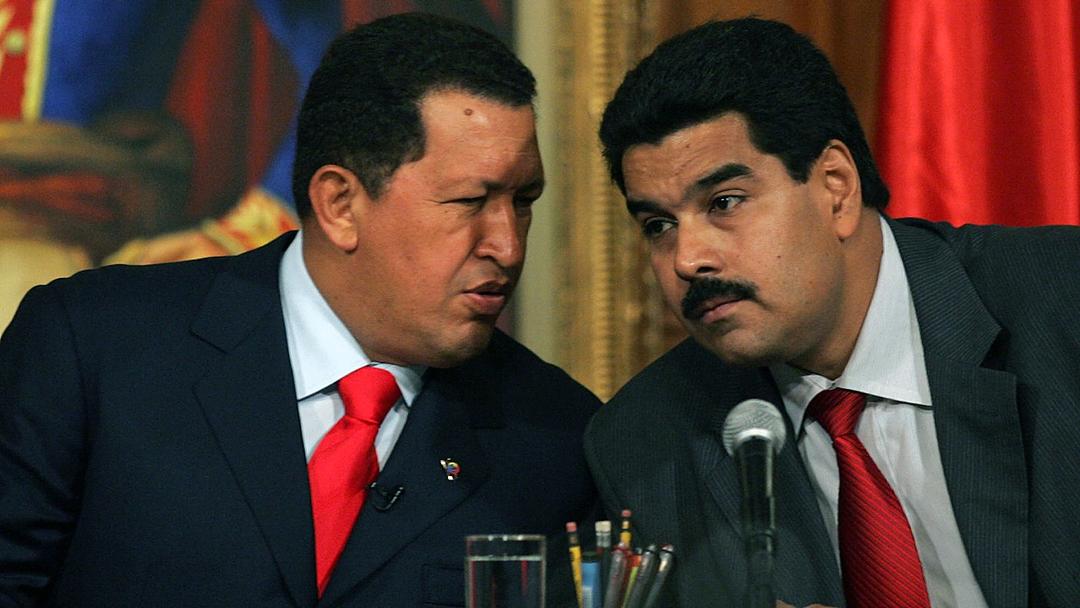
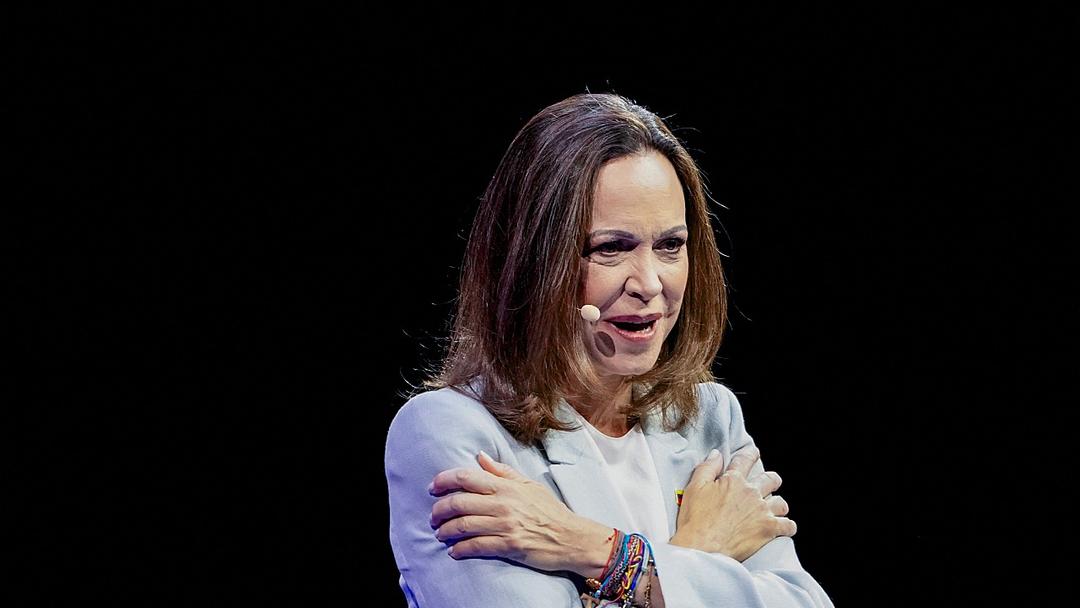
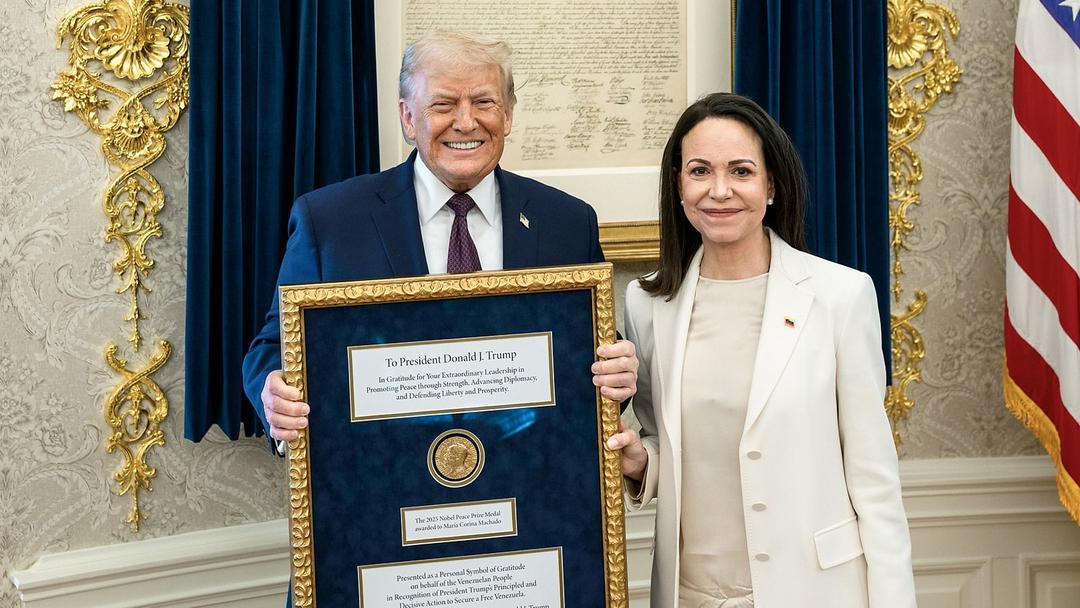
- Book Overview: The Freedom Manifesto, a 168-page book by Venezuelan opposition leader and Nobel Peace Prize laureate María Corina Machado was published on April 21 by Regnery Publishing in the U.S., with international editions planned for the coming months. It combines autobiography, a chronological account of Venezuela's political crisis, a manifesto and accounts from people who reported experiencing persecution under Hugo Chávez and Nicolás Maduro.
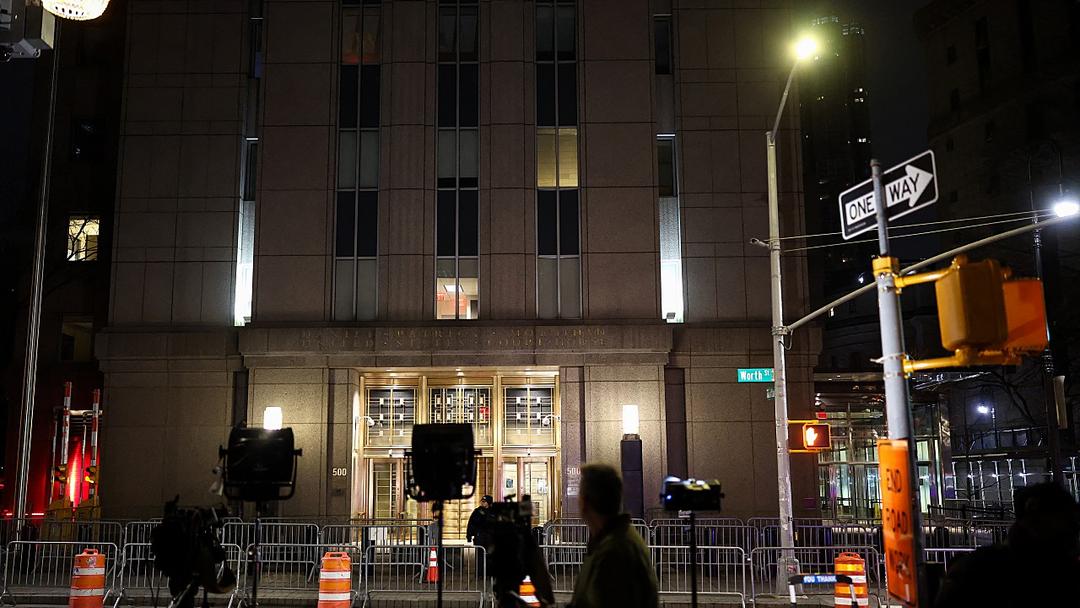
- Context: Originally planned for release earlier this year, the book stems from a four-page manifesto that Machado published in November 2025 from an undisclosed location while in hiding following the disputed 2024 presidential election; it outlined her vision for a post-Maduro era in Venezuela. The publication date was pushed back to April to address the latest developments, as U.S. forces raided Caracas and seized Maduro one month before the initial release date.
- Author's Claims: Machado lays out the conceptual foundations of her political proposal for a post-Maduro Venezuela, centered on the recognition of human dignity and the defense of individual freedoms, highlighting the private sector and free enterprise as drivers of economic growth. She further argues that the government must guarantee its citizens the right to security, freedom of expression, and freedom of assembly and association, while calling for the return of emigrants, a duly elected government and trustworthy electoral processes, environmental protection and accountability for crimes against humanity.


Sources Split
LEFT
CENTER
RIGHT
+2
+3
+2
+2


+1
ESTAB
CRIT
CENTER
PRO
ESTAB
The Spin
Pro-establishment narrative
In "The Freedom Manifesto," Machado has brilliantly explained how Venezuela got to where it is today, grounded sweeping arguments for free markets, property rights and democratic accountability, and given the book an emotional power with the testimonies of people who suffered under the authoritarian Chavista regime. The result is both a policy blueprint and a human document that reflects hard lessons from socialist mismanagement; it carries a moral authority few political texts can claim.


Establishment-critical narrative
Rather than a genuine political program for Venezuela, "The Freedom Manifesto" reads as a product tailored for Washington consumption and oriented toward the international community rather than the Venezuelan people, raising the question of whose freedom is really being envisioned. Machado continues disconnected from the needs of her fellow Venezuelans, focused on hatred and division outside sovereignty, with an excessive fixation on power and resorting to foreign-backed siege as her only political tool.


Narrative C
There's a fundamental ideological problem in the foundation of "The Freedom Manifesto." While Machado claims that freedoms are natural rights, the disastrous years under Maduro demonstrate that every right ultimately depends on a state recognizing and upholding them. Moreover, her neoliberal economic vision sits in tension with democratic aspirations, prompting questions over which freedom is truly paramount for her: economic or political.