Brazil Elections: Foreign Policy



The Facts
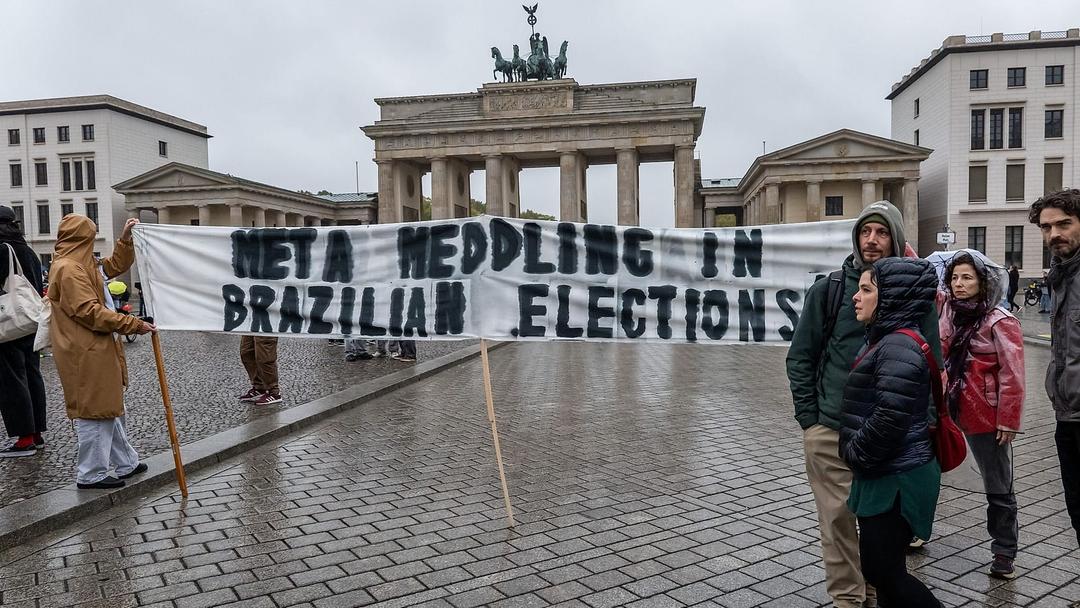
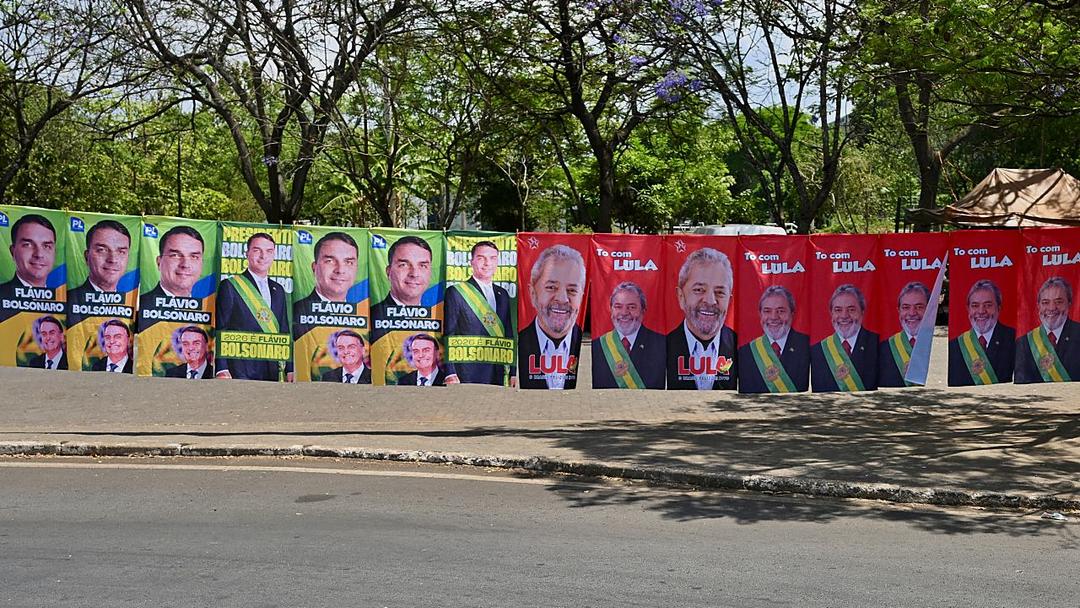
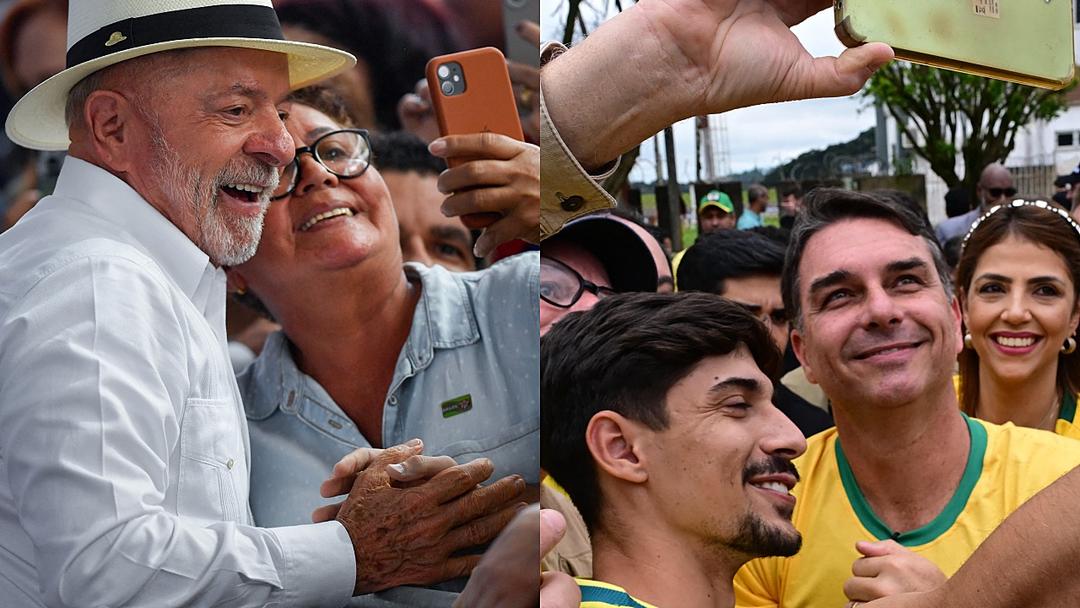
- Overview: Although foreign policy does not rank among Brazilian voters' top concerns ahead of the 2026 presidential election, the topic has shaped the election indirectly by serving as a proxy for the country's broader polarization. From foreign countries' favorability ratings in Brazil, to who they blame for U.S. tariffs on Brazilian goods, to whether they fear foreign interference in the election, to how voters would react to U.S. President Donald Trump endorsing a candidate, ideological lines run through every foreign policy topic.
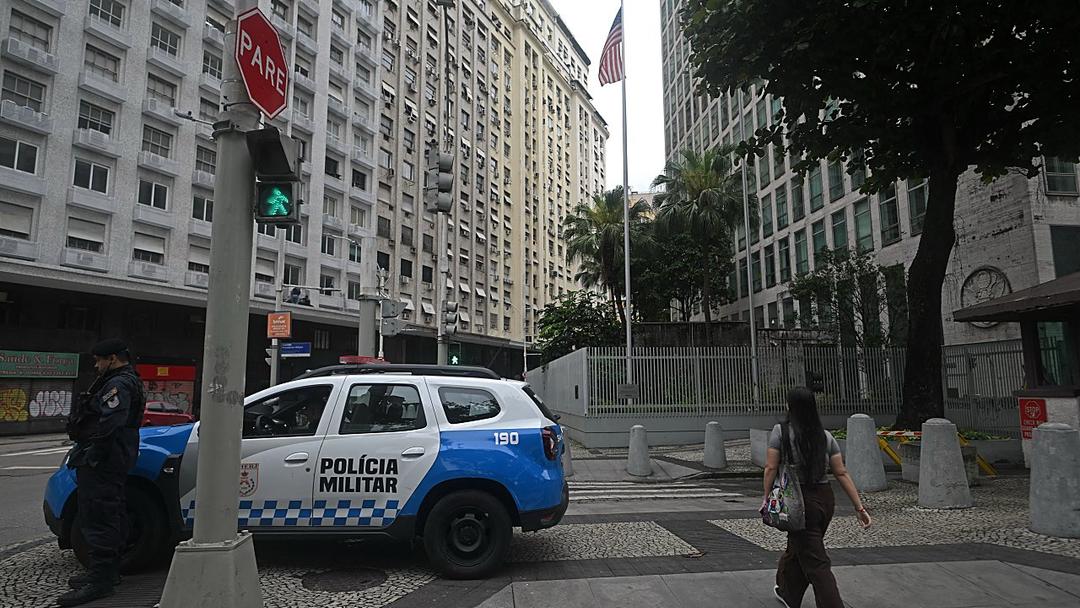
- U.S.-Brazil Tensions: Despite historically strong ties, U.S.-Brazil relations have reached their lowest level in decades amid disputes between the Trump administration and Brazilian President Luiz Inácio Lula da Silva regarding tariffs, sanctions, visas and terrorist designations for criminal groups. Right-leaning Brazilian voters tend to express favorable opinions of the U.S., while those on the left hold the opposing view. Among independent voters, most support the U.S. designation of two Brazilian gangs as terrorist organizations, but a plurality blame the Bolsonaros for tariffs.
- Relations With China: In contrast, Brazil has been increasingly aligned with China: bilateral trade hit a record of $171 billion in 2025; China has expanded its economic presence in Brazil beyond commodities; Xi and Lula have reasserted plans to deepen cooperation within BRICS and the Global South; and Beijing has expressed support for Brazil's sovereignty and independence. Surveys have indicated that left-leaning and independent voters in Brazil have a favorable view of China, while right-leaning voters have a net-negative approval of China.


Sources Split
LEFT
CENTER
RIGHT
+3
+3
+3
+4
+2
+6
+1

+1
ESTAB
CRIT
CENTER
PRO
ESTAB
The Spin
Left narrative
Brazil's foreign policy under Lula reflects genuine sovereignty as opposed to subservience to Washington. Reduced hunger, strengthened Amazon protections and deeper Global South ties have consistently proven that political independence benefits Brazilians. Meanwhile, the opposition's alignment with far-right leaders exposes a movement seeking foreign validation at any expense. Indeed, this election will decide whether Brazil charts its own course or becomes a satellite of foreign powers.


Right narrative
Lula's diplomacy has traded strategy for ideology, costing Brazil dearly. The country has entered collision courses with Argentina and the U.S., while deepening dependence on Beijing through panda bonds, Huawei infrastructure and military ship visits. Tariff negotiations with Washington were mishandled through populist rhetoric instead of pragmatic engagement. Brazil possesses immense assets— minerals, energy, agriculture — but, with the left in power, lacks the coordinated strategy to convert them into geopolitical power.

Cynical narrative
Foreign policy has never truly decided a Brazilian election, and there is little to suggest anything will change now. Both campaigns wield foreign policy as ammunition purely to signal domestic virtue, accusing rivals of selling out to Beijing or Washington. Critical minerals, tariffs and gang designations have become campaign fodder only because pocketbooks, not ideology, got involved. One should expect this election to end loud, internationalized and utterly devoid of coherent strategy.