World Court Rules Myanmar Committed Rohingya Genocide
The Facts
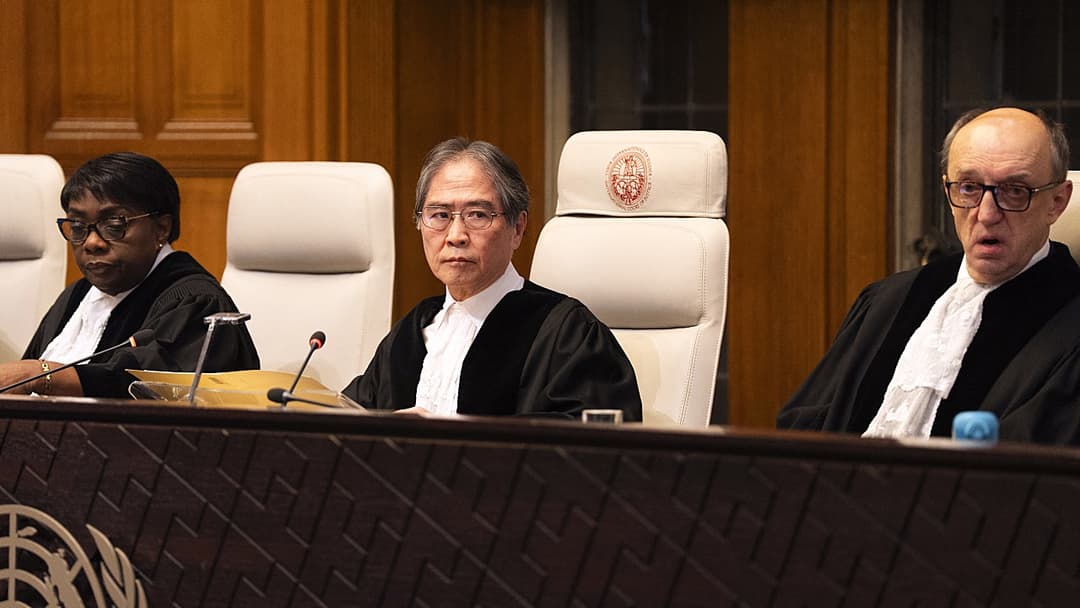
- Myanmar committed genocide against the Rohingya in northern Rakhine State in violation of the 1948 Genocide Convention, the International Court of Justice ruled Thursday in a 9-6 decision, the first such finding against a state.
- The court said Myanmar's forces killed thousands of Rohingya civilians during its 2016-17 military campaign, committing sexual violence and violence against children and attacking people fleeing to Bangladesh. Judges said evidence backed around 10,000 killed.
- The ruling hinged on whether genocidal intent was the only reasonable conclusion that could be drawn from the evidence, a high legal bar. In 2007, the court found the Srebrenica massacre was genocide but did not hold Serbia responsible for committing it.


Sources Split
LEFT
CENTER
RIGHT
+1


+2

+2

+1
ESTAB
CRIT
CENTER
PRO
ESTAB
The Spin
Narrative A
Clearing the fully convincing evidence standard — the toughest bar in international law — settles what happened in Rakhine. Mass killings of roughly 10,000 people, systematic sexual violence and measures to prevent births point to one conclusion: the deliberate destruction of a protected group. Justice now requires compensation, safe return and restored property.

Narrative B
The Rohingya’s suffering inarguably demands accountability, but erasing the terrorist attacks that triggered the crackdown leaves a history no one in Rakhine recognizes. The same armed movement blamed for the massacre of up to 99 Hindu villagers in 2017 now recruits inside refugee camps, with 3,000 to 5,000 fighters mobilized in 2024 alone. A one-villain story only hardens divisions and pushes safe repatriation further out of reach.
Narrative C
While this ruling delivers a measure of recognition and ordered restitution that survivors have long sought, the sharp split and joint dissent reveal that the majority applied a more permissive approach to both the concept of “destruction” and the evidentiary threshold, effectively blurring genocide with ethnic cleansing and crimes against humanity. Whether this flexibility was justified remains contestable, especially given its potential implications for other pending cases.
