The 2024 Bangladesh Constitutional Crisis
Overview
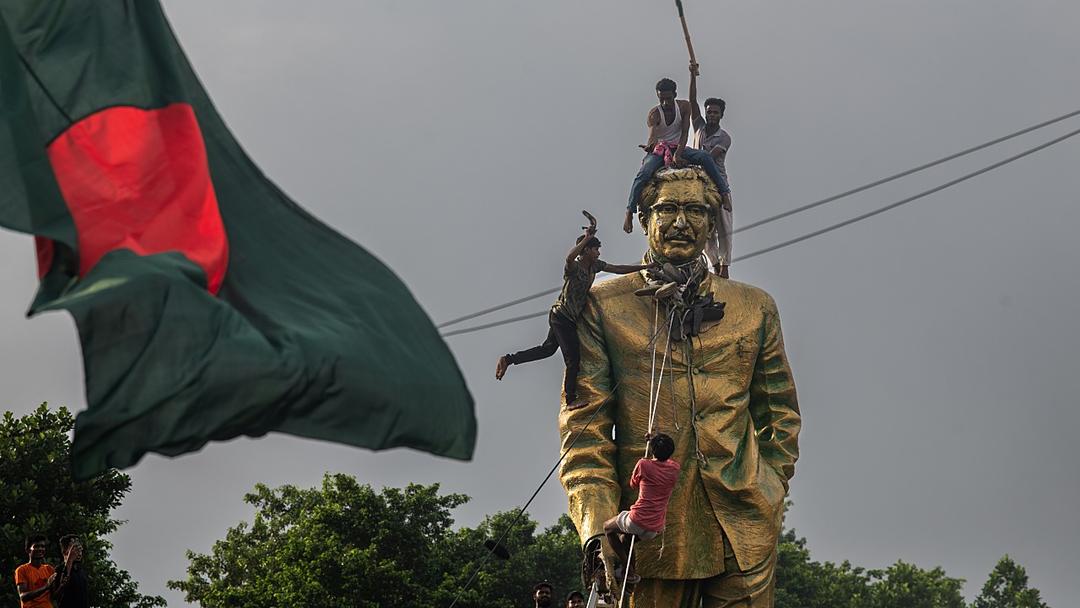
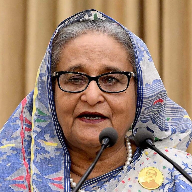
- The 2024 Bangladesh constitutional crisis began on Aug. 5, 2024, when Prime Minister Sheikh Hasina resigned and fled to India after massive student-led protests during which demonstrators stormed her residence in Dhaka. The protests, initially about job quotas, escalated into a nationwide uprising against her 15-year rule. The constitution lacked provisions for an interim government or succession after the prime minister's resignation and parliament's dissolution, creating a legal vacuum.
- The crisis stemmed from the 2024 quota reform movement, which started in early June after the Supreme Court reinstated a 30% job quota for descendants of 1971 Liberation War freedom fighters (previously abolished in 2018). Student protests against perceived nepotism turned violent in July, with protesters and police clashing, leading to what became known by opponents as the "July massacre." Hundreds were killed, fueling demands for Hasina's resignation. Hasina's government denied responsibility
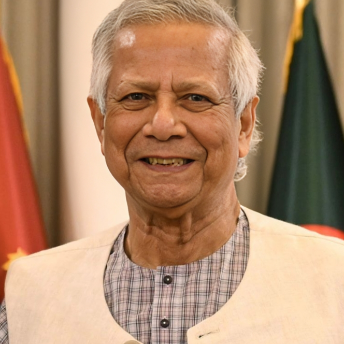
- On Aug. 8, 2024, Nobel laureate Muhammad Yunus was sworn in as Chief Adviser of an interim government, proposed by student leaders. The Supreme Court later justified it under the "doctrine of necessity" to fill the constitutional void. The government formed a Constitutional Reform Commission and planned a constituent assembly election to draft a new constitution.


Sources Split
LEFT
CENTER
RIGHT
+2
+1
+1
+2

+7
+12
+3
+6
+2
ESTAB
CRIT
CENTER
PRO
ESTAB
The Spin
Narrative A
Sheikh Hasina's downfall and exile were largely self-inflicted: her persistent refusal to compromise, reliance on state violence against protesters, deep patronage networks and detachment from public grievances eroded her support. Hasina underestimated citizen discontent, alienated allies and clung to power, ultimately leaving her with no option but to flee Bangladesh. Her authoritarian tactics and misreading of the nation's sentiment precipitated her dramatic collapse.

Narrative B
The ousting of Sheikh Hasina was not solely the result of a student-led uprising but amounted to a quiet military coup. While mass protests created political pressure, the decisive factor was the military's refusal to fully back the government. By engineering Hasina's exit, the military cynically positioned itself as the real kingmaker, hiding behind the fig leaf of Muhammad Yunus's interim administration. Far from ushering in liberation, this praetorian betrayal has plunged Bangladesh into endless turmoil.


Narrative C
Although the interim government set Feb. 12, 2026, as Bangladesh's next general election date, this "fix" rings hollow because it fails to address deeper political fractures. The election timetable emerged under pressure rather than consensus, unrest persists, major parties remain excluded and institutional reforms are incomplete. Without independent oversight and inclusive participation, the announced date risks reinforcing instability instead of restoring genuine democratic legitimacy.

Narrative D
Interim leader Muhammad Yunus has worked to deliver on his promise of democratic renewal ahead of Bangladesh's high‑stakes elections by setting a clear election timetable, promoting institutional reforms and insisting on inclusive, credible voting. His government has sought broad participation, emphasizing peaceful transition and respect for diverse views, while framing the upcoming polls as a foundation for a "New Bangladesh" after the 2024 uprising.


Background
Bangladesh is a unitary parliamentary republic in which all powers belong to the people and are exercised under the Constitution.
The president is head of state with limited executive functions, while the prime minister heads the Cabinet and exercises executive power, which remains collectively responsible to parliament.
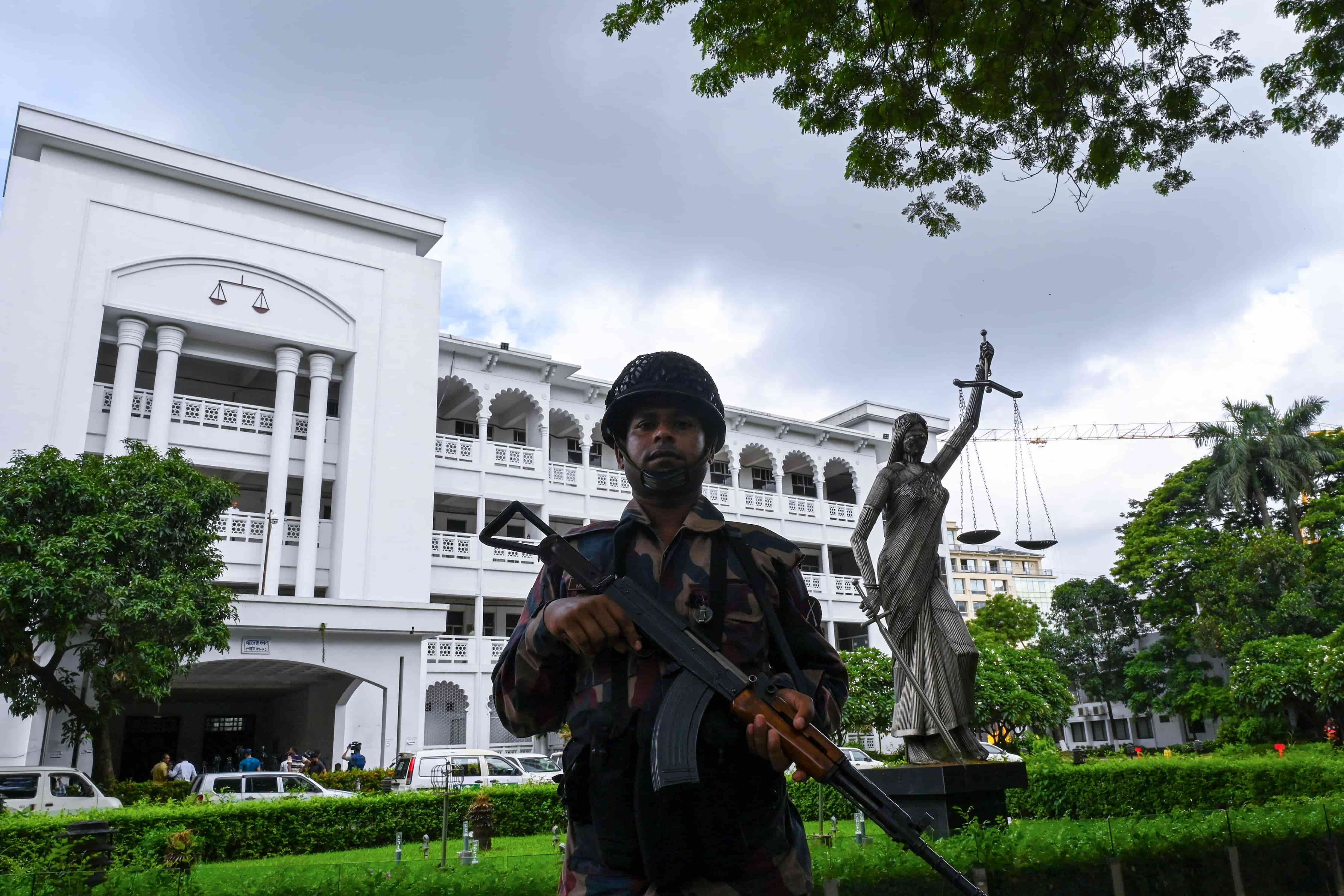
The Supreme Court comprises the Appellate and High Court Divisions, which are independent in exercising judicial functions, ensuring the rule of law, protecting fundamental rights and maintaining checks on both the legislative and executive branches.
Presidency, Cabinet and Courts
The president appoints as prime minister the member of parliament who commands a majority; the Cabinet conducts government business in the president's name under constitutional rules. The Supreme Court's Appellate Division hears constitutional appeals and can issue directions for complete justice.
The High Court Division wields original and writ jurisdiction to enforce fundamental rights, review administrative action and ensure government accountability, transparency and adherence to the rule of law.
Military and Emergency
The president is the supreme commander of the military and security apparatus, with parliament providing for their raising, discipline and the chiefs of staff. War requires parliament's assent. Emergency provisions allow suspension of certain rights and enforcement, subject to constitutional limits.
During such emergencies, the government may assume extraordinary powers to maintain public order, protect national security and ensure continuity of essential services, while the judiciary continues to safeguard fundamental rights within constitutional boundaries.
Bangladesh's Independence and Caretaker History
After the Awami League won an election on March 25, 1971, the Pakistani Army launched Operation Searchlight to curb the Bengali nationalist movement. The military's actions in East Bangladesh have been described as genocidal, though some argue that claims of genocide were fabricated by India, framing Operation Searchlight as a defensive move. Regardless, tensions in East Pakistan triggered the Bangladesh Liberation War, with Awami League leader Sheikh Mujibur Rahman declaring East Pakistan's independence as the state of Bangladesh on March 26, 1971.
Accusations of genocide stem from alleged systematic mass killings and atrocities, including widespread targeting of civilians, especially intellectuals and minorities, forcing millions to flee to India. The resulting refugee crisis and humanitarian concerns led India to support the Mukti Bahini and intervene militarily in December 1971, culminating in Pakistan's surrender and Bangladesh's independence on Dec. 16, 1971.
Post-Independence Politics
A non-party caretaker government system was introduced by the 13th Amendment in 1996 to oversee elections. It was abolished by the 15th Amendment in 2011. In August 2024, amid unrest, an interim government was formed, highlighting Bangladesh's long history of caretaker governments since 1991 and raising legal debates over their legitimacy through subsequent constitutional action.
The 2007 "1/11" military-backed caretaker government — namely its extended tenure, controversies, and impact on electoral credibility and political stability — remains a key reference in these discussions. Bangladesh's experience under this government continues to influence debates on democratic safeguards, constitutional reforms and the role of the military in civilian politics.
Amendments Since 2011
The 15th Amendment (2011) restored secularism and scrapped the caretaker system, inserting Articles 7A and 7B on the Constitution's basic provisions. The 17th Amendment (2018) altered Article 64(3). Separately, the 16th Amendment (2014) empowered parliament to remove Supreme Court judges.
However, this was later struck down by the Supreme Court, which restored the Supreme Judicial Council mechanism, reaffirming judicial independence and reinforcing checks and balances within Bangladesh’s constitutional framework, ensuring separation of powers and protecting the rule of law.


The Spin
Narrative A
The crisis arose from efforts to weaken institutional checks and balances. The 2014 16th Amendment granted parliament the authority to remove Supreme Court judges, undermining judicial independence. The Supreme Court later invalidated this amendment and reinstated the Supreme Judicial Council. Combined with the ruling party's control over security laws and restrictions on the media, public confidence in institutions had eroded well before the events of 2024.

Narrative B
After 15 consecutive years in power, the government's legitimacy had diminished. Bangladesh has historically relied on caretaker or interim administrations during political deadlocks, including the 2007 "1/11" reset. The formation of an interim cabinet under Muhammad Yunus, following Sheikh Hasina's resignation and departure, aligns with this precedent. When political parties fail to ensure a level playing field, a neutral interim government is not optional but the only practical solution.

Narrative C
Continuous modifications to the constitution gradually eroded political consensus. A series of amendments culminated in the 16th Amendment controversy, which provoked open conflict between the branches of government. By 2024, the constitution had become more of a political instrument than a social contract, undermining public trust and institutional credibility, making the establishment of an interim government not merely a crisis response but an inevitable corrective measure.
Election Legitimacy
Though Prime Minister Sheikh Hasina had pledged free and fair elections in 2024, the opposition parties held demonstrations across the country to demand a nonpartisan caretaker government be appointed.
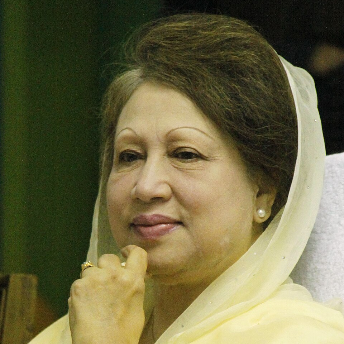
The Bangladesh Nationalist Party (BNP), led by Hasina's arch-rival, former Prime Minister Khaleda Zia, staged a massive rally in Dhaka on Oct. 28, 2023, demanding Hasina's resignation, which she rejected. The demonstration later turned violent as opposition supporters clashed with police, resulting in the death of a police officer. The BNP maintained that free elections required a non-party caretaker, boycotted the 2024 vote and later demanded an election under an interim authority.
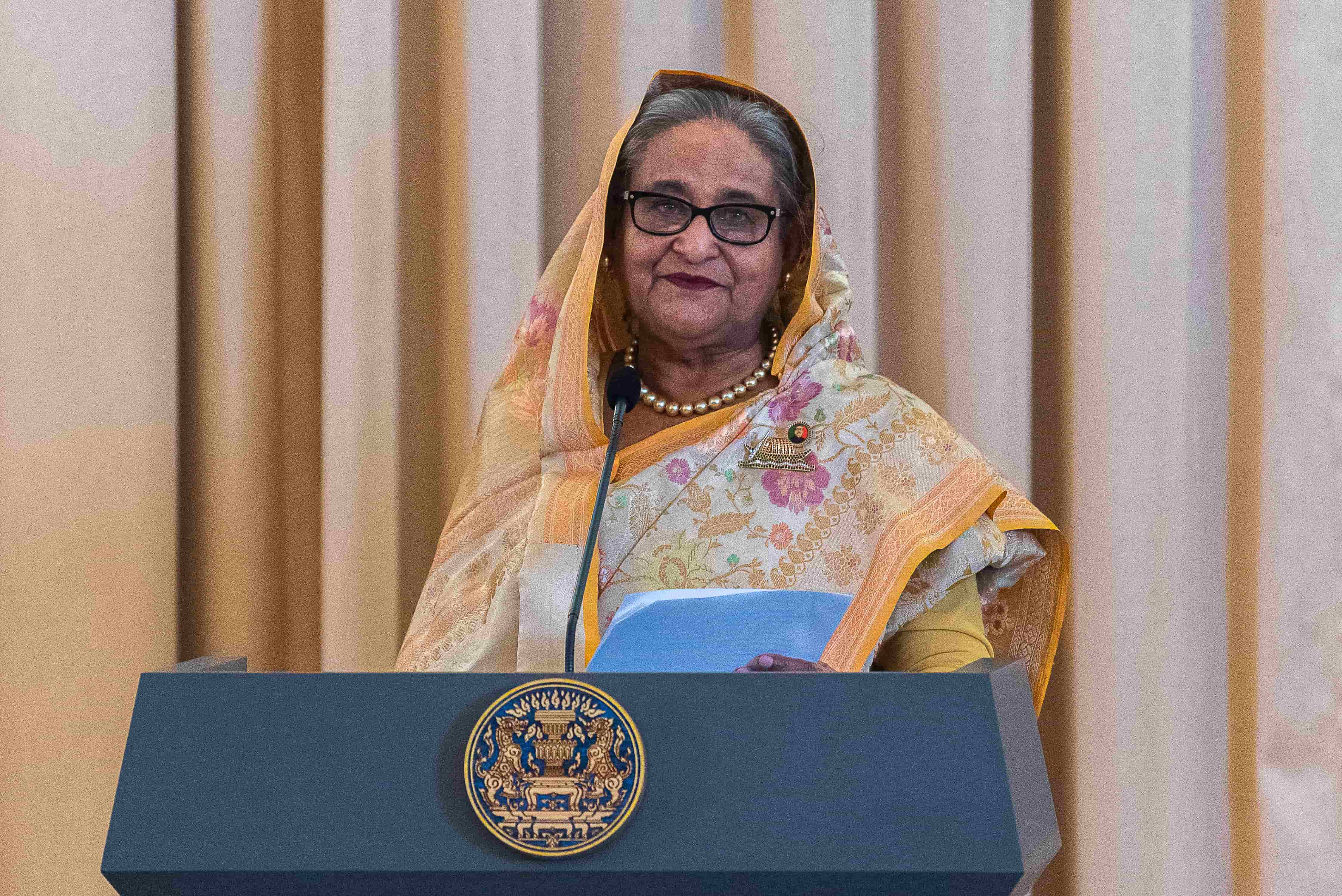
In November, Bangladesh's Chief Election Commissioner, Kazi Habibul Awal, announced that national elections would be held on a single day on Jan. 7, with voters in 300 parliamentary constituencies directly electing members of parliament.
Voting Conduct Concerns
The Jan. 7 parliamentary election proceeded without the participation of key opposition parties. The EU's technical assessment mission found the election period had less violence than previous cycles but concluded that quality was undermined by polarization, shrinking civic space and incidents involving state, ruling party and opposition actors.
The U.N. Human Rights chief Volker Türk expressed concern over the political environment and treatment of the opposition, calling for investigations. Türk said that "in the months leading up to the vote, thousands of opposition supporters have been detained arbitrarily or subjected to intimidation. Such tactics are not conducive to a truly genuine process," adding that he implored "the Government to take the necessary steps to ensure that the human rights of all Bangladeshis are fully taken into account, and to strengthen the underpinnings of a truly inclusive democracy in the country."
Turnout and Hasina's Victory
Voter turnout in Bangladesh's 12th parliamentary elections stood at about 40% of eligible voters, Awal said, adding that the polls were conducted in a generally calm and democratic environment, with only limited irregularities and isolated incidents of violence. Nearly 120 million citizens were eligible to vote at more than 42,000 polling stations nationwide, with around 2,000 candidates competing for 299 of the 300 directly elected parliamentary seats.
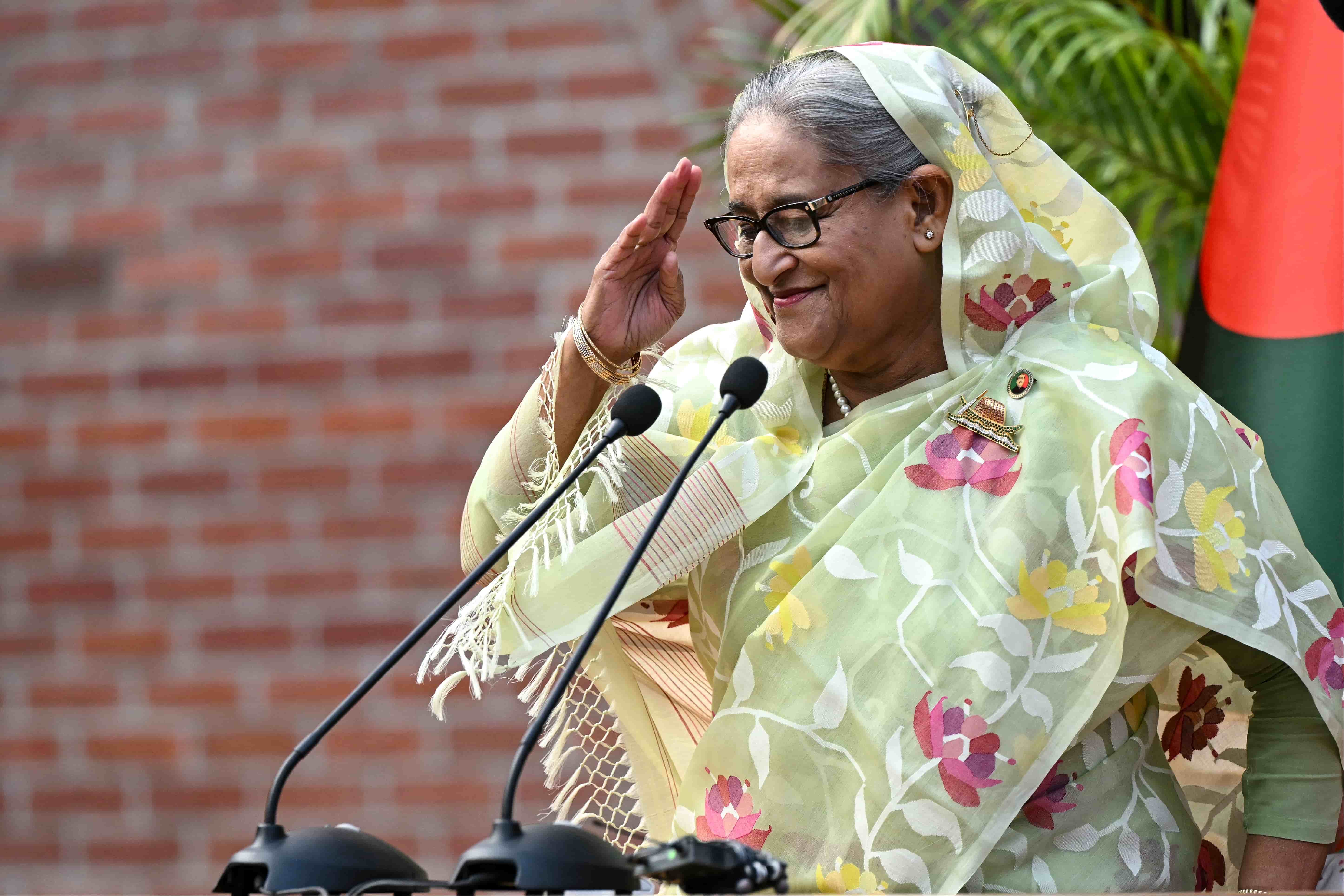
Hasina secured a landslide victory, granting her and the Awami League a fourth straight term in office. Hasina's Awami League won 222 of 299 seats; independents, many aligned with the Awami League, won 62.
Observer and Civil Society Views
The polls drew sharp criticism from domestic and international observers, who questioned their credibility and inclusiveness. The Asian Network for Free Elections (ANFREL) said the polls were neither genuine nor competitive, citing the detention of opposition parties' members and widespread political violence.
Transparency International Bangladesh reported widespread boycotts, arrests of opposition figures and alleged violations of the electoral code of conduct, concluding that one-sided competition and low voter participation undermined the legitimacy of the vote. The International Institute for Democracy and Electoral Assistance (IDEA), in its election tracker, noted the Election Commission's announcement of a 40.99% turnout and highlighted the BNP's boycott.
Hasina and the Awami League, however, maintained that the election was "free, fair and neutral," alleging that opposition violence was responsible for the unrest, while nations such as India, China and Russia embraced her win.
Trigger Event
The 2024 Bangladesh uprising was triggered by the government's reinstatement of a quota system for civil service appointments.
In June 2024, Bangladesh's High Court reinstated a 30% civil service quota for descendants of 1971 war veterans, which the government partially reversed in 2018. Student protests widened in July, with violent clashes leaving scores dead. On July 21, the Supreme Court scaled back quotas to 5% for fighters' children and 2% for minorities and persons with disabilities, with 93% merit-based.
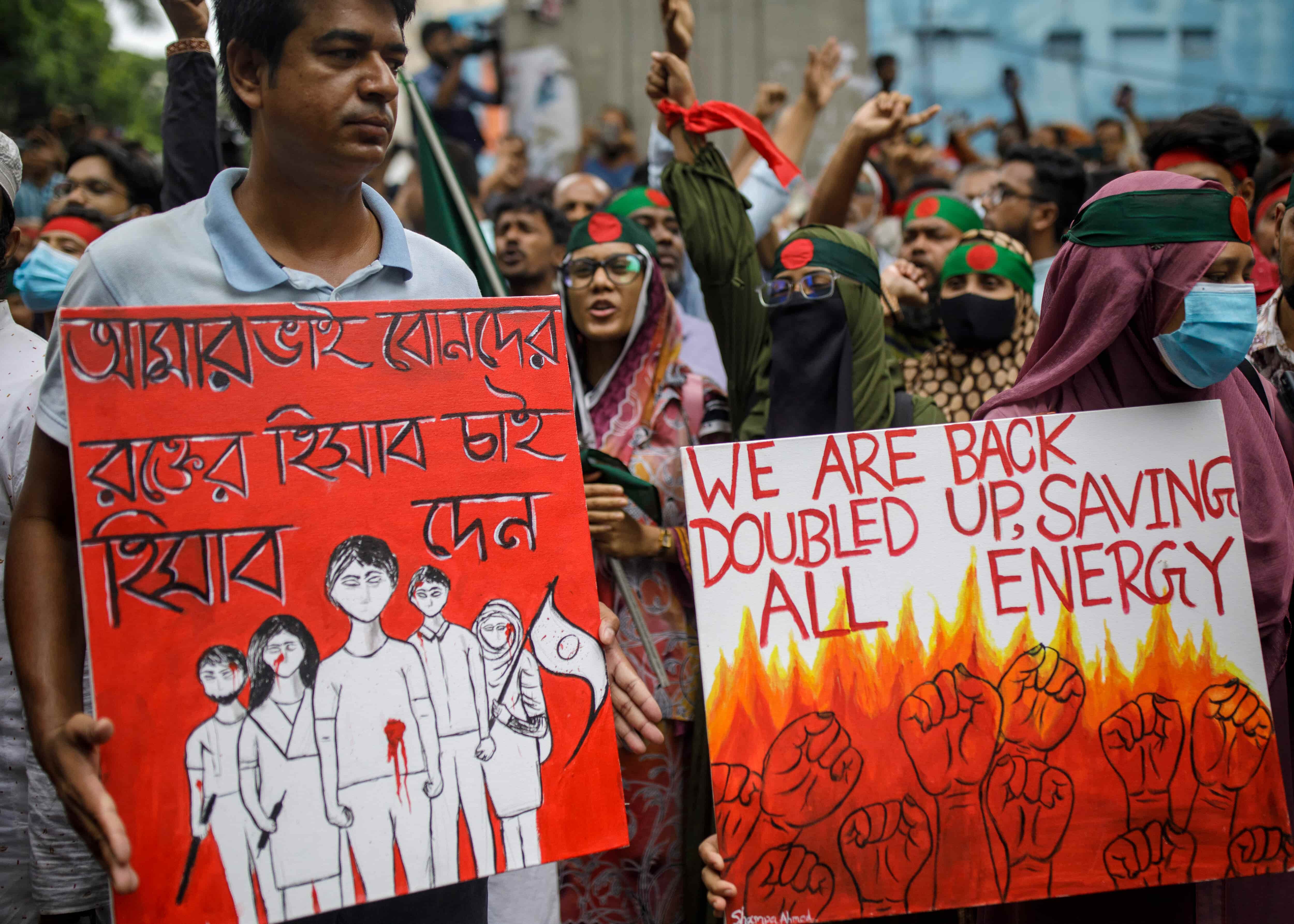
The unrest, however, quickly spread to multiple universities and public spaces, drawing national and international attention and intensifying debates over fairness, representation and the balance between historical recognition and meritocracy.
July–August Spiral
Despite the Supreme Court's July 21 ruling to reduce civil service quotas, violent unrest continued as security forces repeatedly confronted protesters, using rubber bullets, tear gas and even live ammunition in some clashes, while authorities imposed curfews and shoot-on-sight orders to suppress demonstrations.
Meanwhile, the initially peaceful protests escalated into mutual violence amid the crackdowns: protesters clashed with police and ruling party affiliates, throwing stones, vandalizing government buildings and vehicles, and attacking facilities, contributing to 44 police deaths, per the Bangladesh Police.
By Aug. 5, thousands of protesters converged on Dhaka, forcing Prime Minister Sheikh Hasina to resign and flee the country, and Army Chief General Waker uz Zaman announced an interim government amid widespread celebrations and continued turmoil.
Constitutional Steps
On Aug. 6, President Mohammed Shahabuddin dissolved the 12th Parliament using his constitutional discretion under Article 48(3), and cited Article 123 requiring general elections within 90 days of dissolution. In the same move, he ordered the release of opposition leader Khaleda Zia, who had been convicted in a corruption case in 2018 and imprisoned for 17 years.
An army statement said an interim government would be formed to restore stability.
Interim Leadership and Caretaker Debates
On Aug. 8, Nobel Peace Prize–winning economist Muhammad Yunus was sworn in as chief adviser of Bangladesh's interim government. The formation of the interim cabinet occurred amid a constitutional vacuum, as Bangladesh's 2011 15th Amendment had eliminated formal caretaker provisions.
To address this gap, the president sought the Supreme Court's advisory opinion under Article 106 of the Constitution, and the Appellate Division ruled that, in the absence of a functioning parliament and prime minister, the president could appoint a chief adviser and other advisers to manage executive affairs and administer oaths, providing a legal basis for the interim administration. This advisory opinion was later upheld as part of the government’s legitimacy.
Government Response
The 2024 student protests soon escalated into a nationwide uprising against Hasina's government after violence erupted on July 15-16 when members of the ruling Awami League's student wing, Bangladesh Chhatra League (BCL), attacked protesters, followed by police opening fire.
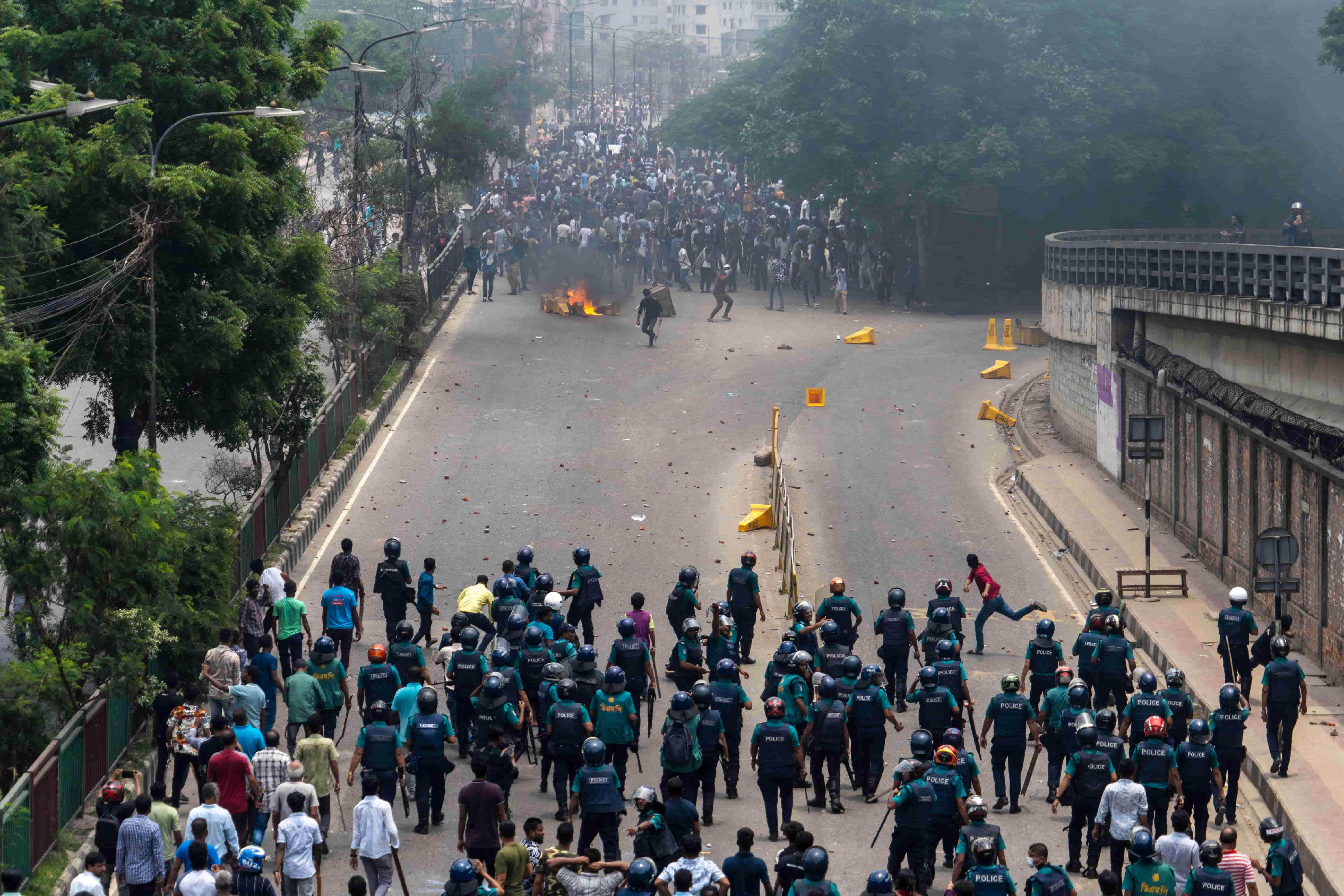
On July 16, student Abu Sayed was killed during clashes between protesters and police in an incident that was captured on camera and became widely publicized, intensifying public anger and contributing to the escalation of the quota reform protests into a larger nationwide movement.
Deaths and Injuries
A U.N. fact‑finding investigation found that between July 1 and Aug. 15, 2024, Bangladeshi security forces and allied groups were responsible for widespread violence. The report estimated that up to 1,400 people may have been killed and thousands injured, with many deaths resulting from gunfire.
Children accounted for around 12–13 % of those killed, and both lethal and non-discriminatory force was documented, along with reports of torture, arbitrary detention and obstruction of medical care for injured protesters. The U.N. team described patterns of excessive force, including apparent point‑blank shootings, and alleged gender‑based violence.
Independent documentation by outlets such as Netra News verified dozens of protest-related deaths and mapped them across Dhaka neighborhoods, finding that in a verified sample of 750 deaths, at least 705 were likely caused by state security forces or allied cadres.
At the time, the government denied responsibility for most deaths and injuries, blaming opposition groups, "infiltrators" or protester-instigated violence, and stating that police only opened fire in self-defense. Police reported 44 officers killed between July 1 and August 15, 2024. After resigning and fleeing the country, Hasina reiterated this stance and called for investigations into the "killings and vandalism."
Curfews and Deployments
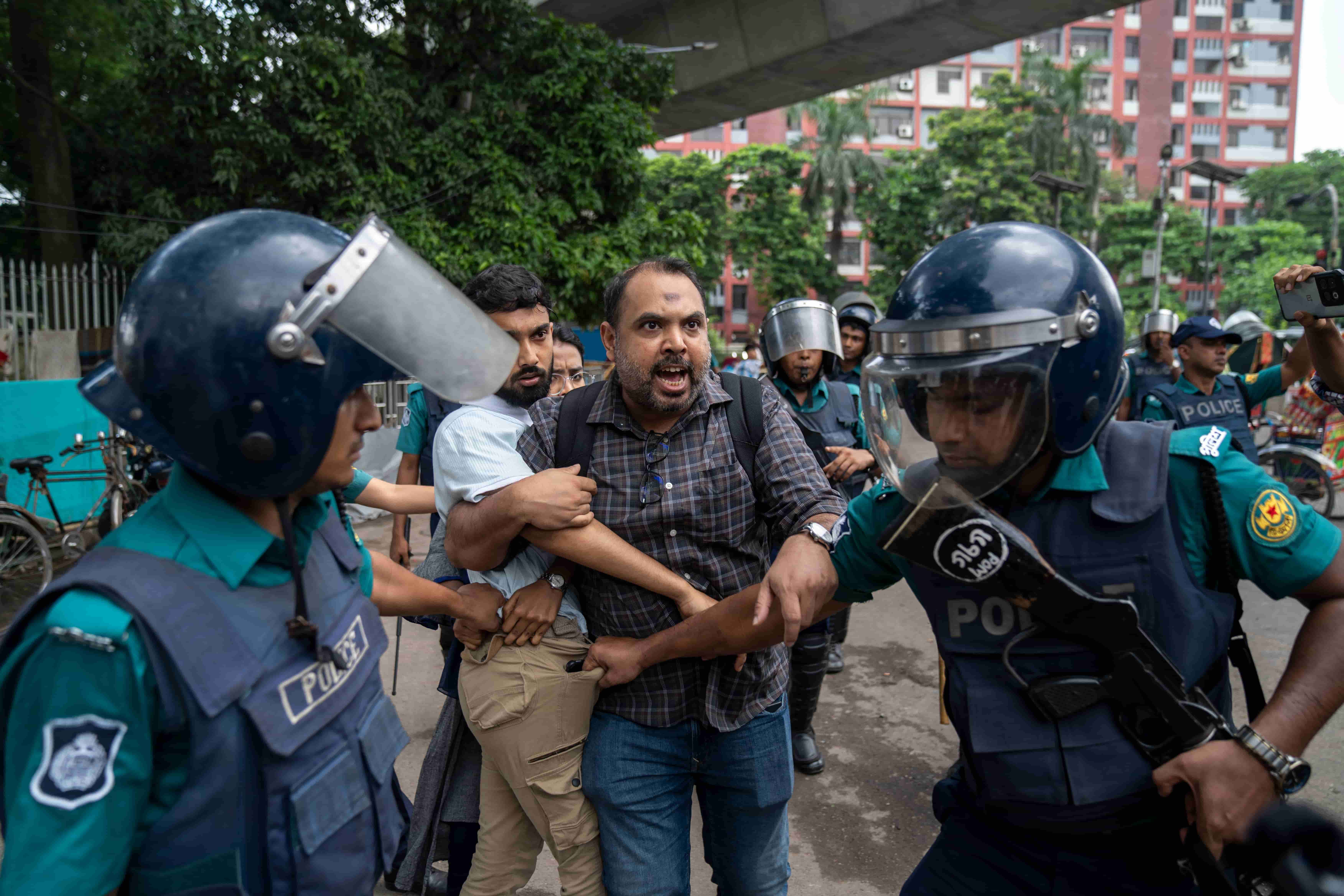
Throughout the unrest, authorities implemented curfews with shoot-on-sight orders, deployed military and paramilitary units nationwide "in aid of civil power" and restricted communications, with clashes in areas such as Jatrabari, Mohammadpur and Mirpur intensifying. Rights groups, including Amnesty International, reported instances of the unlawful use of lethal and less-lethal weapons and raised concerns about access to medical assistance for injured demonstrators.
Police acknowledged dozens of deaths while imposing bans on rallies, with the U.N. calling for restraint and impartial probes. Subsequent probes documented allegations of extrajudicial killings, arbitrary arrests, torture and obstruction of medical care across major urban centers.
Internet Shutdowns
The government imposed one of the longest internet disruptions in the country’s history. Nationwide internet access was shut down beginning July 18, and services remained severely restricted for much of the next three weeks, including two full national blackouts (July 18–23 and on Aug. 4–5).
During these periods, both mobile and broadband networks were disabled, and major social media and messaging platforms such as Facebook, WhatsApp, Instagram, TikTok and YouTube were blocked or throttled, making communication difficult for citizens, journalists and activists.
The shutdown was implemented with informal directives, often via messaging apps among agencies, including the Bangladesh Telecommunication Regulatory Commission (BTRC), the National Telecommunication Monitoring Centre (NTMC) and the Department of Telecommunications, without clear public orders.
The government cited security concerns for the disruption, while later investigations concluded it was deliberately ordered to limit protest organization and information flow amid escalating unrest.
Role of the Military
Bangladesh has experienced multiple military interventions in its history, including a state of emergency in January 2007, when the army backed a caretaker government for two years amid political turmoil.
During the most recent wave of protests, the army was used alongside police and other security forces to enforce nationwide curfews, patrol cities and help contain the situation as protests intensified. Accounts of the uprising, however, suggest that Bangladesh's military leadership later refused to open fire on demonstrators. Reports indicate that on the night before her departure, Hasina's army chief convened a meeting with senior generals, during which they agreed not to use force to enforce a curfew.
Military's Intervention in Government Transition
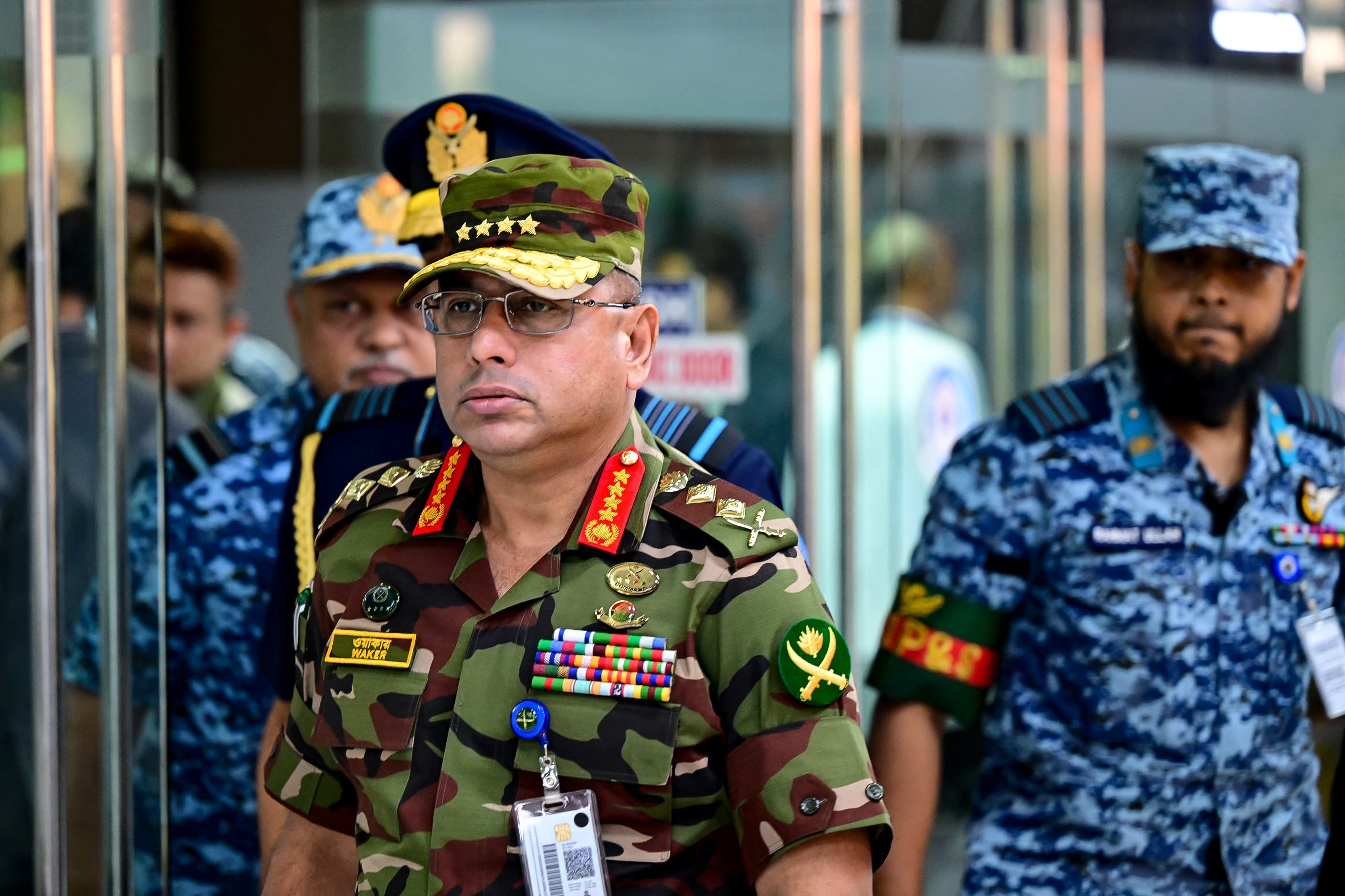
Amid a political vacuum, the Bangladesh Army Chief General Waker-uz-Zaman announced the formation of a transitional government, positioning the military as the de facto stabilizing authority. The military's action helped establish an interim administration led by Muhammad Yunus, though the constitution did not explicitly authorize the army to assume such a role.
He urged students to remain calm and pledged that there would be no further firing by the army or police. This intervention prevented a total governance collapse but raised questions about the proper constitutional sequence in a caretaker transition.
Tensions Over the Return to Civil Rule
Tensions emerged between the interim civilian administration and the military leadership. General Waker-uz-Zaman publicly urged that national elections be held by December 2025 to prevent prolonged army involvement in domestic affairs.
This stance revealed a divergence of views: while the interim government preferred delayed elections to pursue reforms, the army emphasized restoring democratic civilian rule.
Promise of Democracy
On Feb. 25, 2025, Zaman warned politicians that continued infighting threatened national sovereignty, urging unity to protect the country's security and stability. He highlighted that the worsening law and order situation stemmed in part from political divisions and that police and law enforcement morale was weakened by ongoing legal actions against officers.
He called for national cooperation and stressed the need for political actors and security institutions to work together to restore order, while reiterating the army’s commitment to constitutional processes and eventual return to its professional role.
Anti-Hindu Violence
After Sheikh Hasina's government fell in August 2024, numerous incidents of violence targeted Bangladesh's Hindu minority, who were perceived by many as proxies for the Awami League, given the community's historical support for Hasina's secular policies. The incidents included attacks on temples, homes and businesses in multiple districts.
Between Aug. 5–20, correspondents documented over 1,068 attacks across 49 districts, with at least 295 homes and businesses destroyed in Khulna and hundreds more damaged elsewhere. Two Hindus were reported killed during these episodes, while many families were affected by looting and forced displacement amid the political instability and unrest.
Communal Violence
Minority advocacy groups, such as the Bangladesh Hindu Buddhist Christian Unity Council, reported a surge in communal violence, noting 2,442 incidents involving Hindus from August 2024 through mid-2025.
The reported incidents included killings, arson, sexual assaults and destruction of places of worship and property. The groups also raised concerns about the effectiveness of protective measures and legal follow-up, stating that limited prosecutions have contributed to ongoing insecurity among Hindu communities regarding their safety and civil rights.
However, not all sources agree these were primarily communal attacks. Bangladeshi police and interim government reviews classified most incidents as politically motivated (often linked to former Awami League ties), criminal, personal or economic — rather than religiously driven — with only a small fraction confirmed as communal. The government also maintained that investigations and arrests were conducted in numerous cases.
U.N. Findings
The U.N. reported that in the aftermath of the collapse of Hasina's government, violent mobs engaged in retaliatory killings and attacks against Hindus in Dhaka, Chittagong and other areas.
Homes and some places of worship were burned, and the government's response was highlighted as a key factor that left minorities vulnerable. The report noted that Hindus were often stereotypically associated with the former ruling party, increasing their risk amid unrest.
India's Response
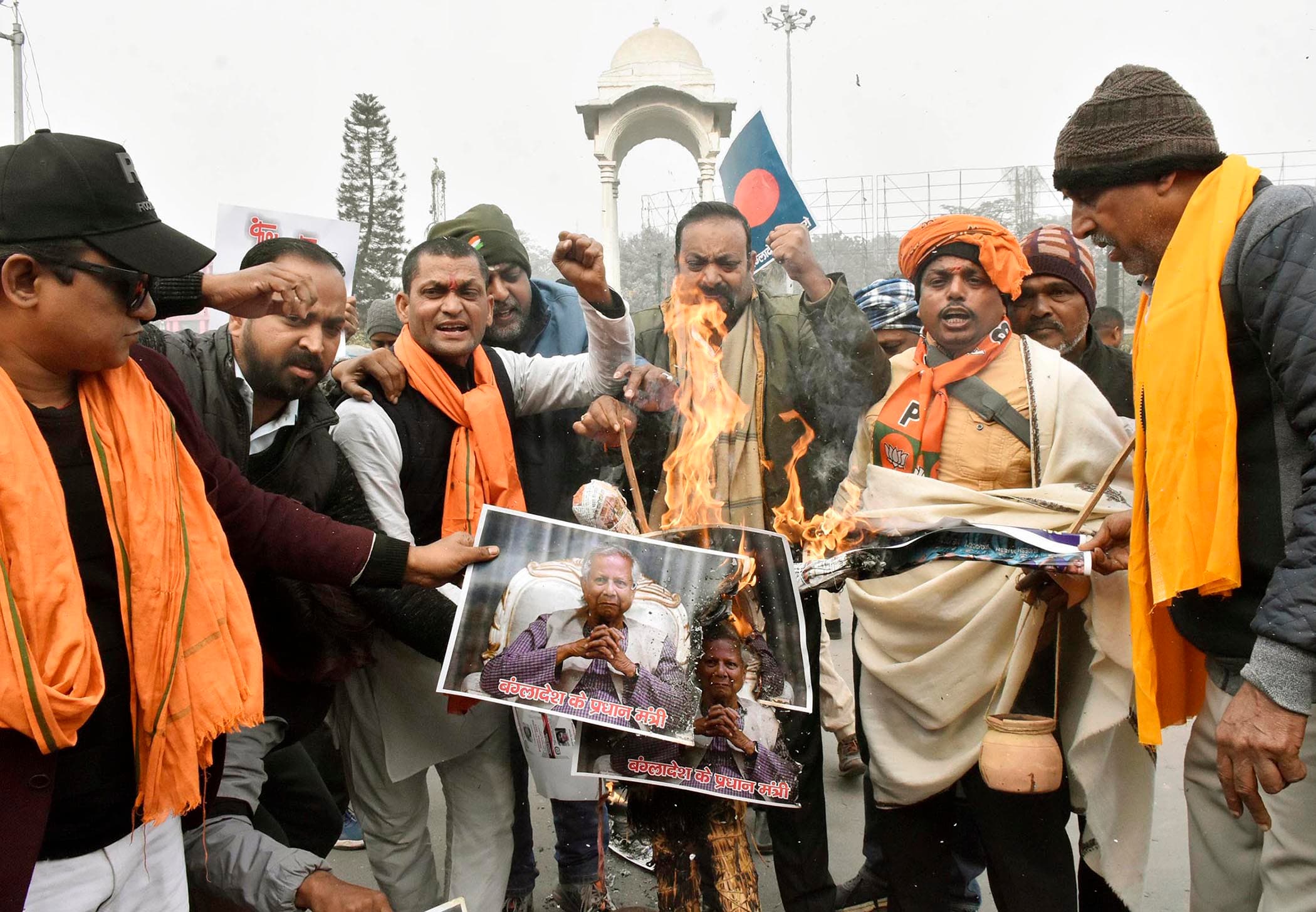
The government of India raised the issue diplomatically, reporting 76 attacks on Hindus between late November 2024 and January 2025, including 23 reported deaths and 152 temple attacks, according to parliamentary statements.
India urged Bangladesh to ensure the safety and security of its Hindu minority, with mass protests in Indian states like West Bengal and Tripura, where Hindu nationalist groups demonstrated against the violence, culminating in an attack on the Bangladeshi consulate in Agartala in December 2024. Tensions escalated further with anti-India protests in Bangladesh and mutual accusations of interference.
Ongoing Violence and Recent Incidents
Violence against Hindus in Bangladesh has continued into late 2025 and early 2026. Reports include the burning of a Hindu schoolteacher's house in Sylhet by a mob. Rights groups also documented at least 15 murders of Hindu individuals within a 45-day period. These developments have fueled calls for stronger protections and accountability for minority rights.
Vandalism
Hasina's Awami League announced plans for protests in February 2025, including a general strike, which prompted responses from student activists and groups opposed to the former prime minister.
On Feb. 5, 2025, Hasina delivered an online address organized by the now-banned Chhatra League, calling upon citizens to organize resistance against the interim government, which she accused of seizing power by unconstitutional means.
"They can demolish a building, but not the history," Hasina said during her speech, adding that "history takes its revenge." The speech sparked immediate backlash from protesters.
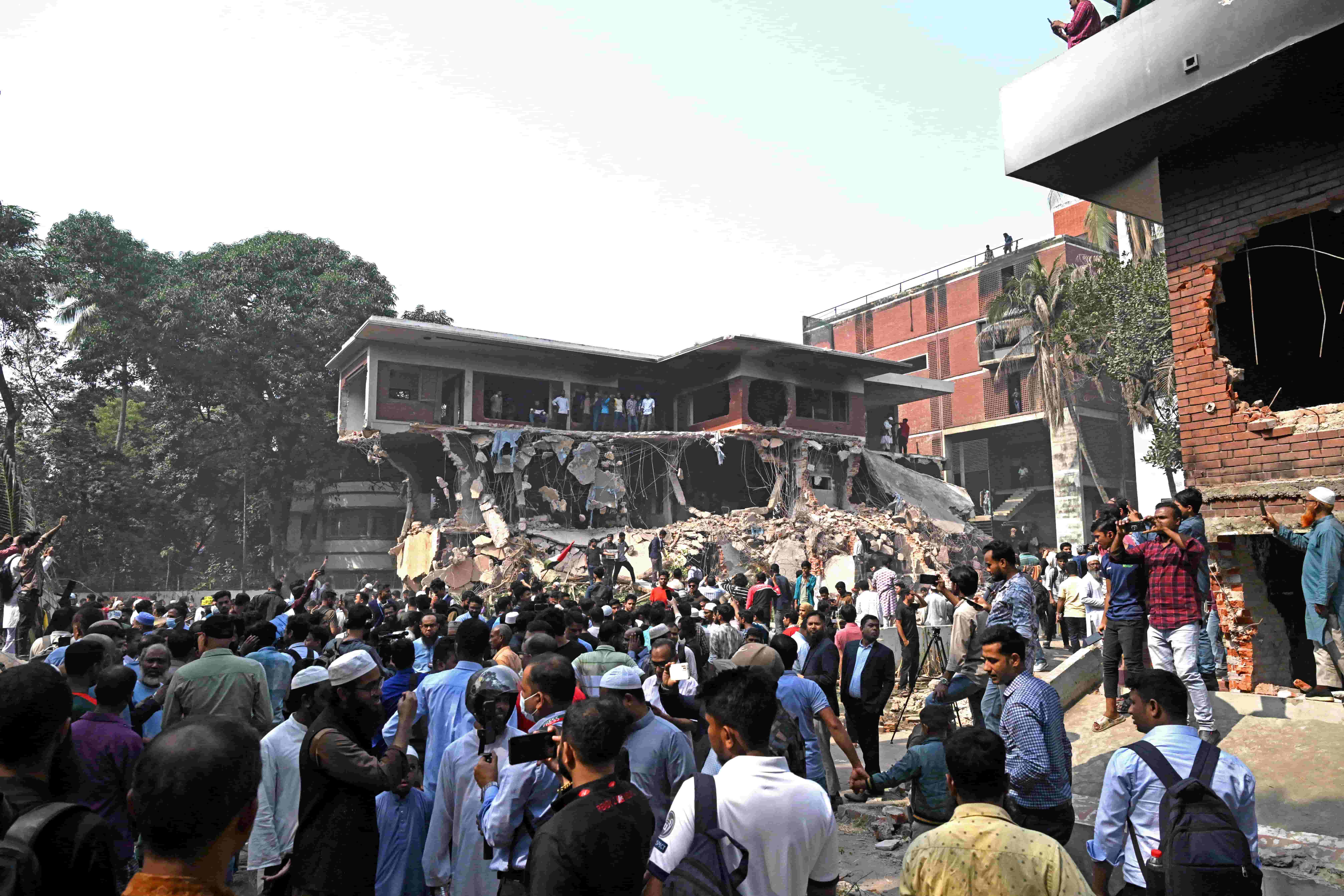
Building Demolition
As Hasina began speaking, thousands of protesters stormed the Dhanmondi-32 residence in Dhaka, which served as the home of Bangladesh's founding leader, Sheikh Mujibur Rahman, and began dismantling the brick walls. Later, they brought in a crane and an excavator to demolish the building.
Student leader Hasnat Abdullah had warned media outlets against Hasina's speech and announced on Facebook that "tonight Bangladesh will be freed from the pilgrimage site of fascism." By around 9:30 p.m., the building was set on fire, and by midnight, parts of the structure were razed to the ground. Protesters also vandalized and torched the houses and businesses of senior Awami League leaders.
Government Challenges
The interim government has faced challenges in maintaining public order and preventing mob justice against Hasina's supporters while dealing with a stumbling economy and human rights incidents.
The Yunus-led government has accused Hasina of widespread corruption and human rights abuses during her rule, which she refutes. Hasina's Awami League has accused the government of violating human rights and suppressing Bangladesh's minority groups, claims authorities have denied.
Official Response
Yunus' office said in a statement that "the inflammatory statements made by fugitive Sheikh Hasina from India against the July uprising have created deep anger among the people."
Bangladesh's Ministry of Foreign Affairs summoned an Indian diplomat in Dhaka over Hasina's statements, calling them "false and provocative." Foreign Adviser Touhid Hossain said a protest letter was handed to the acting Indian high commissioner, asking the neighboring country to stop Hasina from making further comments.
Case Against Hasina
Bangladesh's International Crimes Tribunal — originally established in 2010 under the International Crimes (Tribunals) Act of 1973 to investigate crimes against humanity committed during the 1971 war that resulted in Bangladesh's independence from Pakistan — tried Hasina and former Home Minister Asaduzzaman Khan in absentia after both fled to India.
The tribunal examined evidence, including 14 volumes of documents spanning approximately 10,000 pages, 93 documentary exhibits, 32 physical exhibits and testimony from more than 80 witnesses. Former police chief Chowdhury Abdullah Al-Mamun pleaded guilty and became a state witness against Hasina. The tribunal was headed by Justice Golam Mortuza Mozumder, with proceedings broadcast live on state television.
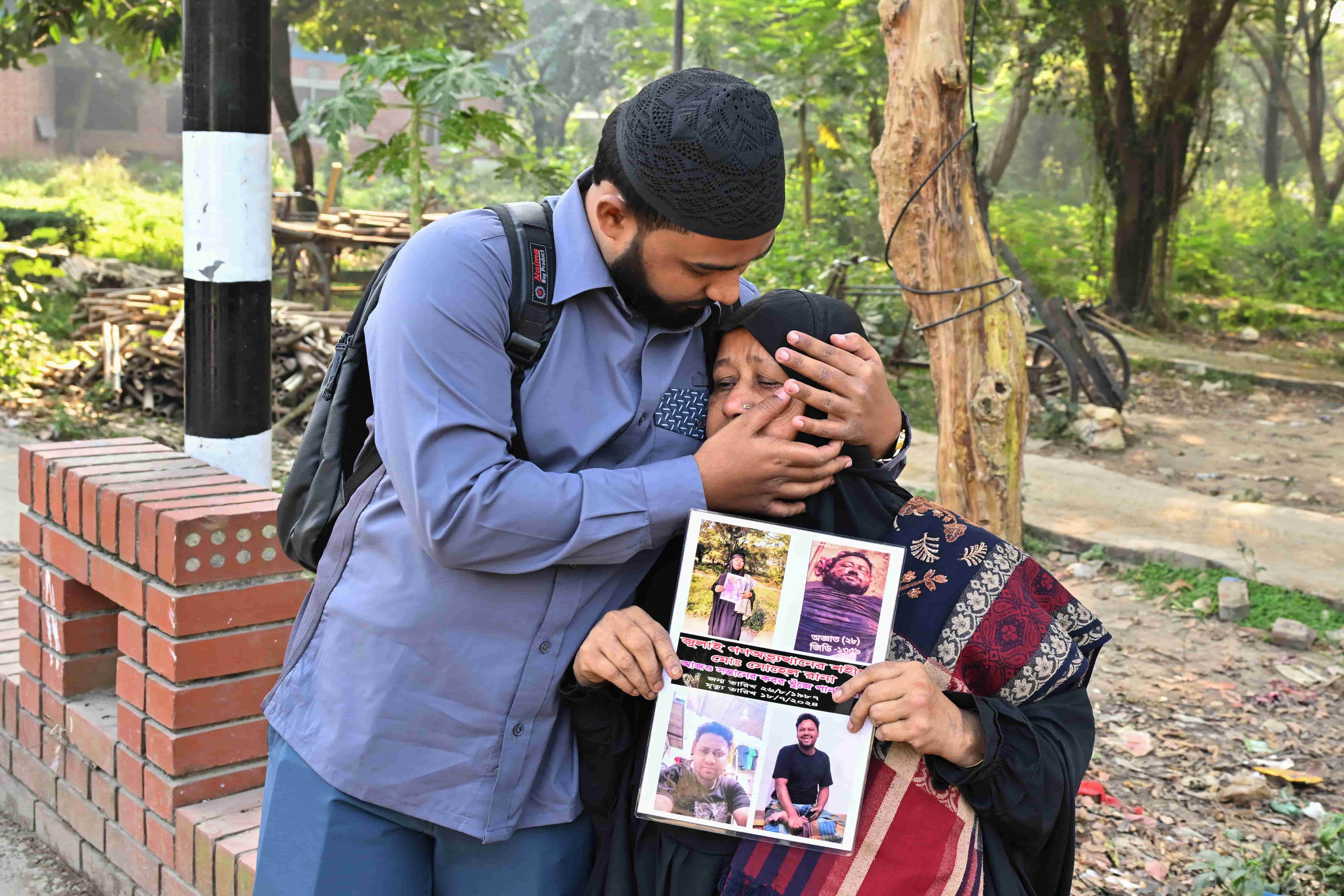
Verdict Delivered
The tribunal sentenced Hasina to death after finding her guilty of crimes against humanity on three counts: incitement, ordering killings and failing to prevent atrocities during the 2024 uprising. Khan also received a death sentence, while Al-Mamun was sentenced to five years in prison with leniency granted for his cooperation.
Hasina dismissed the verdict as "biased and politically motivated," stating the charges were brought by "a rigged tribunal established and presided over by an unelected government with no democratic mandate."
Extradition Dispute
Bangladesh's Foreign Ministry urged India to extradite Hasina and Khan, citing an existing 2013 extradition treaty between the two countries. India's foreign ministry acknowledged the verdict but stated only that it "remains committed to the best interests of [the] people of Bangladesh" and would "engage constructively with all stakeholders," without confirming whether extradition would occur.
The treaty allows refusal if the offense is deemed political in character. India's decision not to extradite the pair has strained relations with neighboring nations.
Awami League Ban
In May 2025, Bangladesh's interim government banned the Awami League, pending the outcome of a trial over its response to the mass protests that prompted Hasina's ouster.
"It has been decided to ban the activities — including in cyberspace — of the Awami League under the Anti-Terrorism Act until the trial of the Awami League and its leaders ends," Asif Nazrul, a government advisor on law and justice, told reporters.
He said the decision was taken to ensure the country's "sovereignty and security," the "security of the protesters" and the "plaintiffs and the witnesses of the tribunal."
The Awami League said the ban is "illegitimate," saying "All decisions of the illegal government are illegal."
Death of Student Leader
Sharif Osman Hadi, a prominent student leader of the 2024 pro-democracy uprising and spokesperson for Inqilab Mancha, was shot in Dhaka by masked assailants on Dec. 12, 2025, while launching his election campaign.
He was airlifted to Singapore for treatment but died on Dec. 18 after six days on life support. His killing triggered nationwide protests, heightening political tensions and demands for justice.
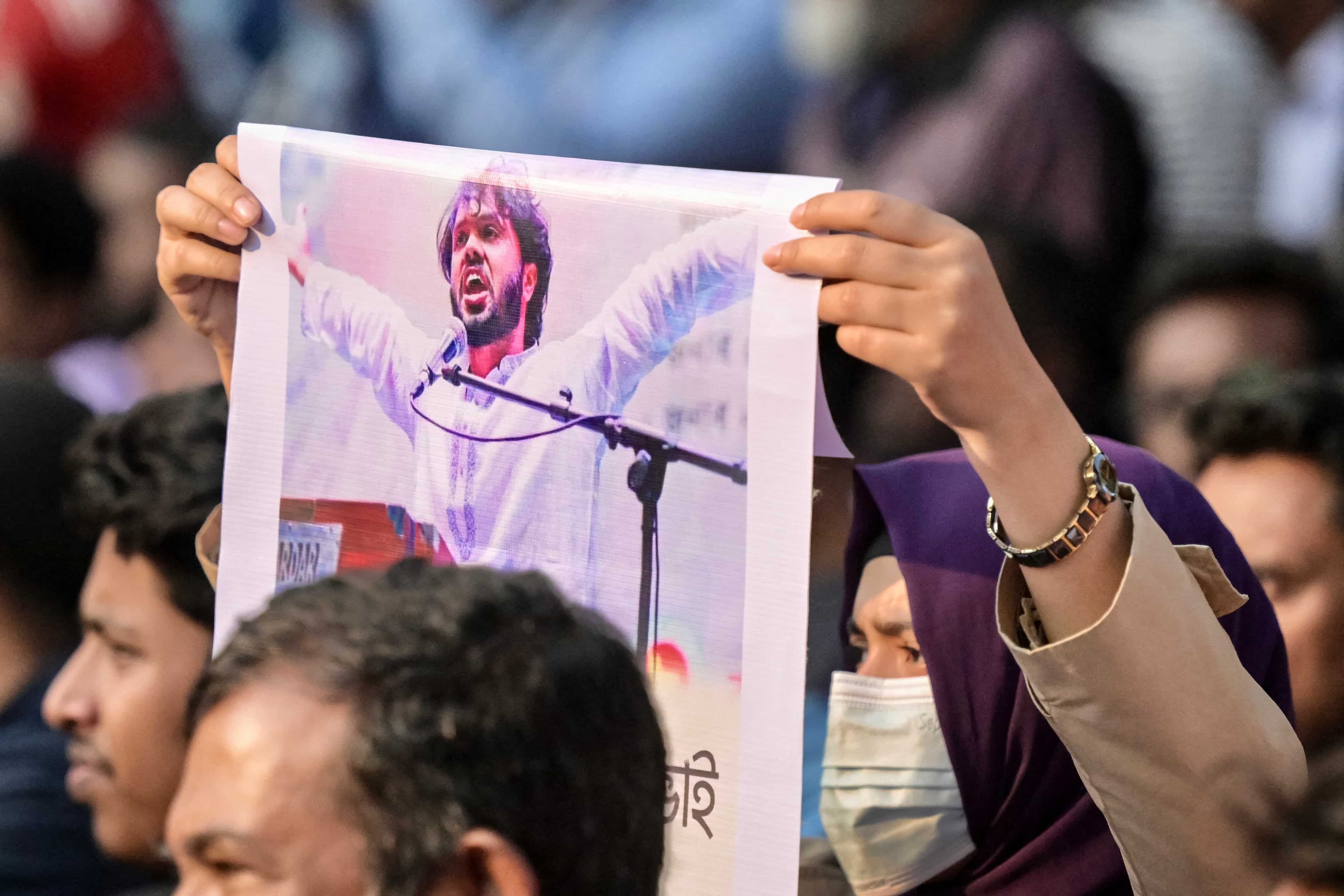
Nationwide Unrest
News of Hadi's death sparked violent demonstrations across Bangladesh. Thousands of protesters took to the streets in Dhaka, Gazipur, Sylhet and Chattogram demanding accountability for his killing.
Demonstrations included highway blockades and attacks on public and private properties. The interim government deployed police and paramilitary forces to restore order and urged restraint, alleging that fringe elements were exploiting grief to escalate violence.
Attacks on Media Houses
Following the unrest, mobs targeted Bangladesh's major media outlets perceived as sympathetic to India. Protesters vandalized and set fire to the offices of Prothom Alo and The Daily Star in the Karwan Bazar area of Dhaka. Journalists and staff were forced to flee amid rising smoke and flames, halting newspaper production.
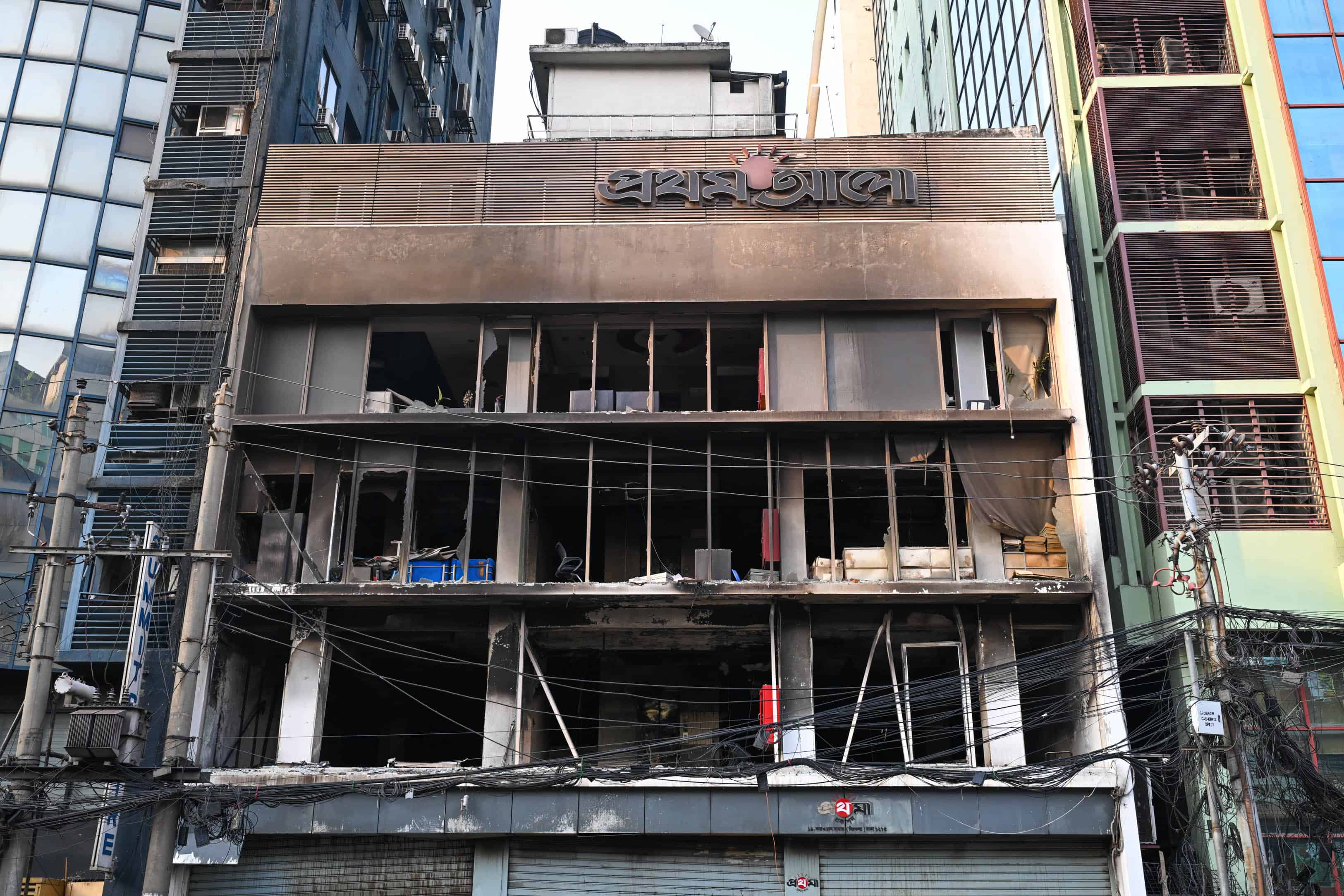
Zyma Islam, a senior reporter at The Daily Star, was inside the newspaper's office when a mob attacked the building on Dec. 18–19 and set it ablaze. As flames rose and thick smoke filled the premises, she posted a message on Facebook, writing, "I can’t breathe anymore. There's too much smoke. I am inside. You are killing me."
Attacks on Cultural Institutions
In addition to media houses, protesters also vandalized cultural institutions such as Chhayanaut Sanskriti Bhawan, smashing furniture and setting parts of the building on fire. Witnesses said multiple attackers hid their identities with helmets and face coverings and shouted religious slogans, including "Naraye Takbir," as the violence unfolded. Bangladesh Army personnel and police were later deployed to break up the crowd and restore order.
Journalists' Response
In the wake of the violence against the media, journalists in Dhaka organized human chains to condemn the arson attacks on news offices. Media workers alleged that the destruction of newspaper buildings was an attack on free expression and professional journalism. They accused the interim government of failing to act decisively, saying repeated appeals for assistance were ignored as security forces did not intervene in time to disperse the mobs.
International and local press freedom advocates called on authorities to protect journalists and ensure accountability for those responsible. The International News Media Association, PEN Bangladesh, the Media Freedom Coalition and the United Nations were among the bodies that issued statements denouncing the violence.
Opposition Leader Returns
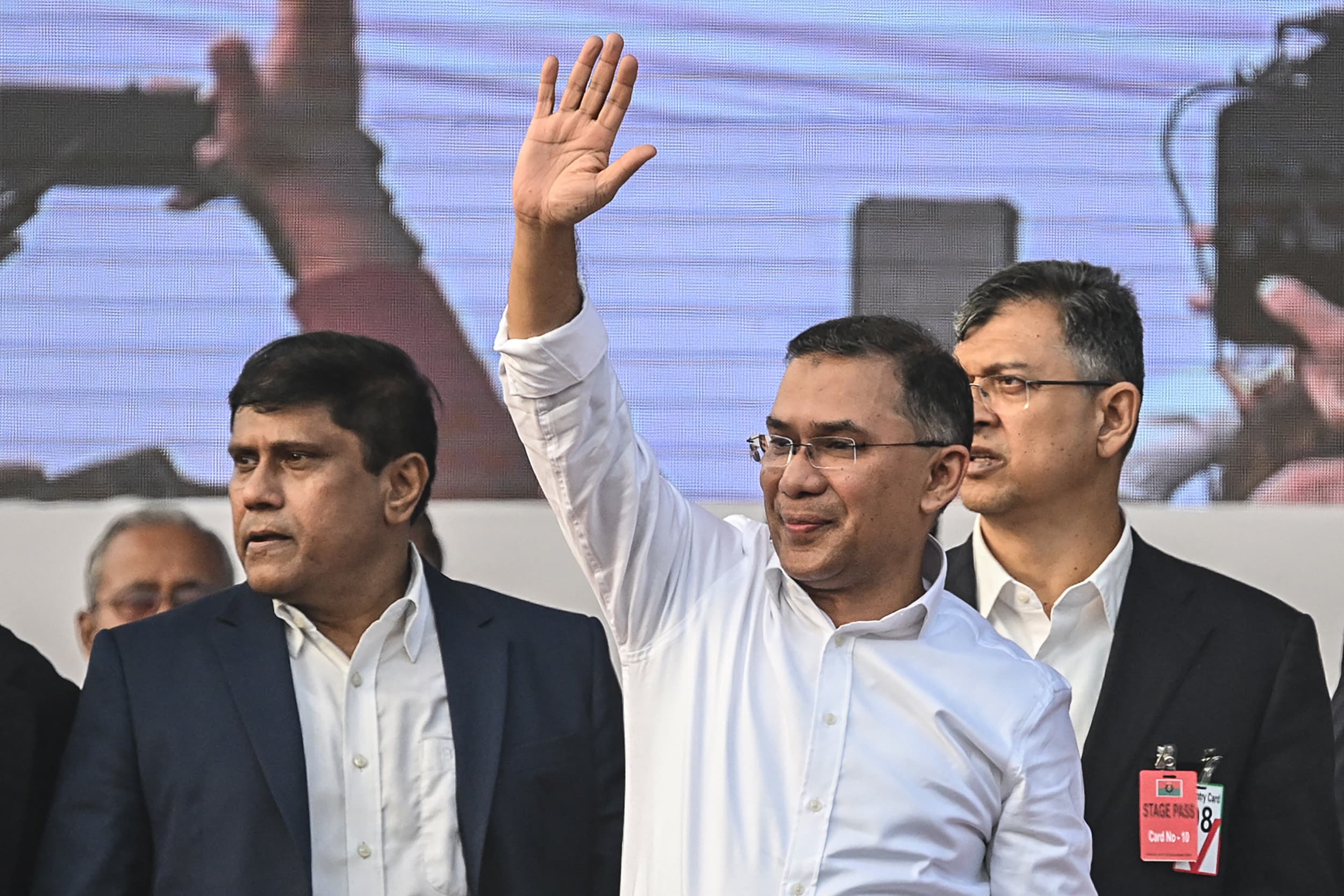
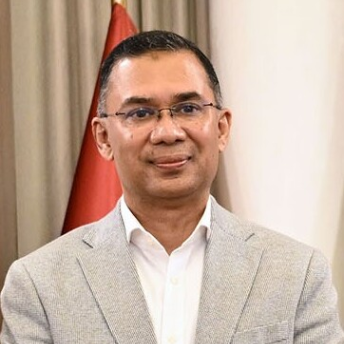
Tarique Rahman, acting chairman of the BNP, returned to Bangladesh on Dec. 25, 2025, ending nearly 17 years in self-imposed exile in London.
Rahman was greeted by massive crowds of supporters in Dhaka, with thousands lining the streets from the airport to central venues waving party flags and chanting slogans of support. His homecoming was described as a "defining" political moment ahead of the February 2026 general elections, signaling a resurgence of the BNP’s influence after a long absence from national politics.
His return was closely tied to the health of his mother, Khaleda Zia, who had been seriously ill for months. Five days after his homecoming, the 80-year-old Zia died. Zia’s death left the BNP leadership position vacant, and her burial was attended by large numbers of supporters, with Rahman paying tribute to her long service and legacy. Rahman formally assumed the role of chairman on Jan. 9, 2026.
Political Plans and Vision
Upon his return, Rahman outlined a vision for Bangladesh's future, stressing peace, unity and development. Invoking Martin Luther King Jr.'s famous rhetoric, he told supporters, "I have a plan" to build a safe, inclusive Bangladesh where people of all faiths and backgrounds can prosper.
He repeatedly called for calm, peace and cooperation across society as central to achieving his goals, positioning himself as a unifier who can help rebuild Bangladesh’s democratic and economic foundations.
Rahman also plans to seek parliamentary seats in Bogra-6 and Dhaka-17, highlighting his ambition to take a direct role in governance and national policy.
Symbolism and Political Impact
Rahman's return was widely seen as both symbolic and strategic, reflecting a shift in Bangladesh's political landscape after 2024's student-led uprising and the ouster of Sheikh Hasina. Supporters view his arrival as a vindication of democratic struggle, and many believe his leadership could reshape the BNP's fortunes in the upcoming elections.
His return ended a long period of exile that began amid legal and political pressures that saw him convicted of a range of crimes, from murder to corruption. All of his convictions were overturned after the political shift, removing barriers to his participation.
However, opponents — particularly those aligned with the Awami League — have questioned his return, reviving allegations of corruption and criminal wrongdoing. In an interview with The Times of India, Hasina contended that Rahman's long exile in London has left him "far removed from the daily realities faced by ordinary citizens."
Overview
Public Figures
The Controversies
© 2026 Improve the News Foundation.
All rights reserved.
Version 7.18.3