Super Typhoon Bavi Makes Landfall in the Western Pacific
The Facts
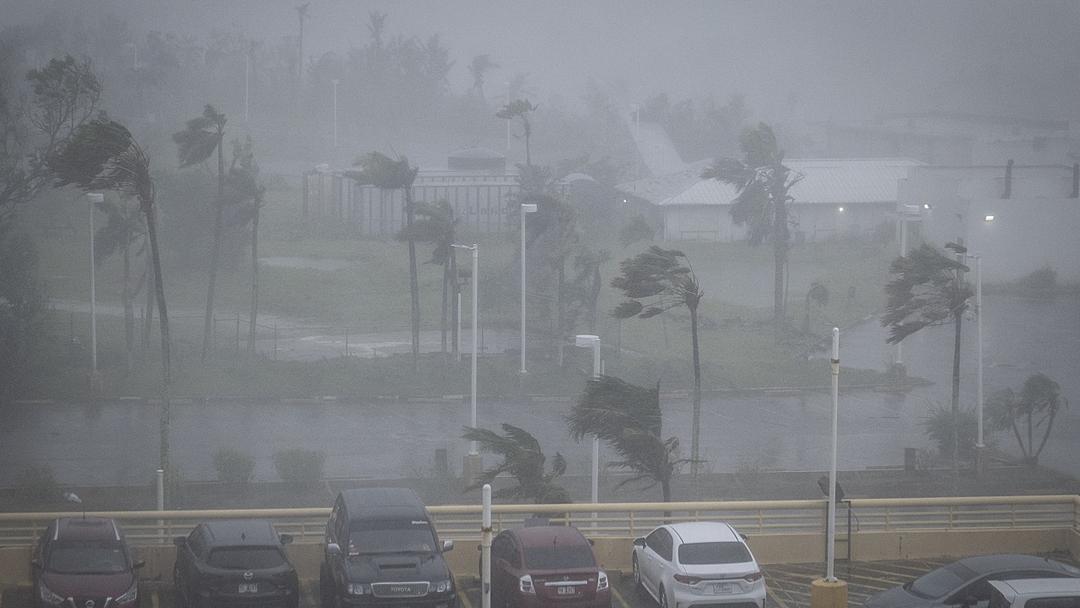
- Super Typhoon Bavi made landfall Monday on Rota, the southernmost island of the Northern Mariana Islands, with maximum sustained winds of 180 mph (290 km/h) and gusts of 215 mph (346 km/h) — equivalent to a Category 5 hurricane. Authorities reported major damage, with some cellphone service disrupted after a communications tower fell.
- The eye of Bavi passed directly over Rota, a US territory with a population of around 2,000, bringing winds exceeding 150 mph (241 km/h). The National Weather Service warned the storm could make much of the island "uninhabitable for weeks, perhaps longer."
- Typhoon and flash flood warnings were in effect for Guam, Tinian and Saipan, with the storm forecast to bring at least 20 inches (50.8 cm) of rain to the region. Saipan's international airport recorded wind gusts exceeding 100 mph (160 km/h).


Sources Split
LEFT
CENTER
RIGHT
+2
+2
ESTAB
CRIT
CENTER
PRO
ESTAB
The Spin
Climate-concerned narrative
Super Typhoon Bavi slammed Rota with winds over 180 mph, causing catastrophic damage to a U.S. territory still reeling from Super Typhoon Sinlaku just months earlier. Parts of Saipan and Tinian were already without power from Sinlaku when Bavi hit, piling devastation on devastation. Climate change, tied to a turbocharged El Nino is driving this surge in powerful storms and U.S. territories in the Western Pacific.

Climate-skeptic narrative
Bavi's explosive rapid intensification — gaining 100 mph in just 36 hours — was fueled by record-warm ocean waters and low wind shear, making it a textbook product of a strong El Niño season. The storm's Category 5 strength reflects natural Pacific variability, not an unprecedented climate emergency. Strong El Niño years have always produced clusters of super typhoons, and forecasters had high confidence in both track and intensity well before landfall.

Go Deeper


© 2026 Improve the News Foundation.
All rights reserved.
Version 7.18.2