Report: China Eyes Curbs on Overseas Access to Top AI Systems
The Facts
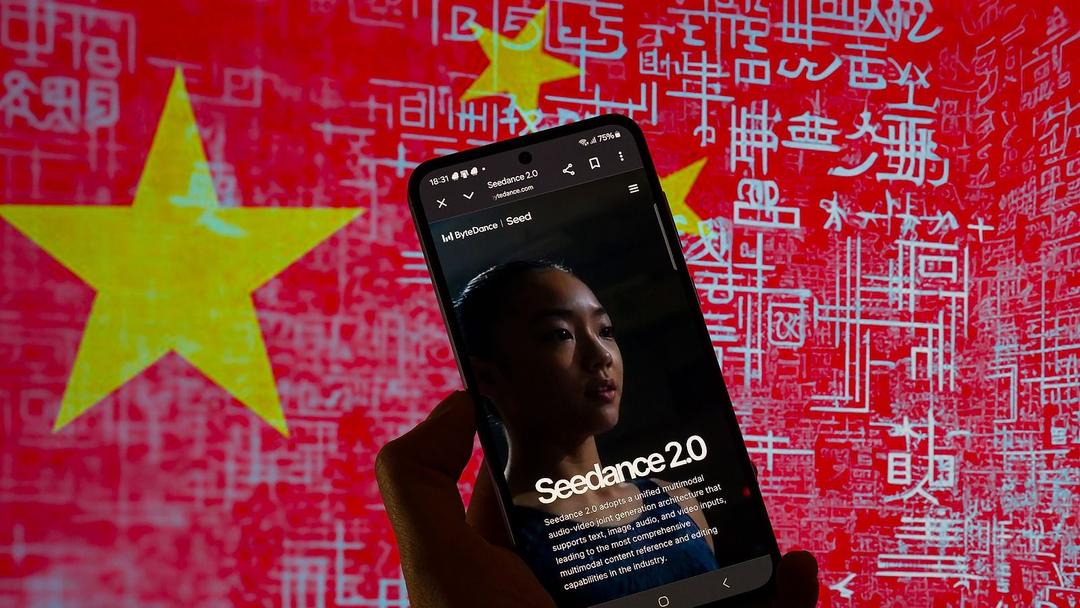
- According to a report published by Reuters on Tuesday, Chinese authorities have held meetings over the past month with Alibaba, ByteDance and startup Z.ai to discuss potentially restricting overseas access to China's most advanced AI systems, including those not yet released.
- The meetings, led by China's Ministry of Commerce, covered possible limits on both closed-source and open-weight AI systems. Officials also discussed making unauthorized disclosure or theft of proprietary AI technology an offense under China's national security law.
- The scope of any restrictions remains undecided, and two sources told Reuters the measures may apply only to future systems. A May roundtable of Chinese legal experts proposed a tiered system, ranging from simple registration for basic tools to domestic-only restrictions for the most sensitive frontier systems.


Sources Split
LEFT
CENTER
RIGHT

+1


+2
+1

+1
ESTAB
CRIT
CENTER
PRO
ESTAB
The Spin
Pro-China narrative
This is a rational move — frontier AI is a strategic national asset, just like semiconductors — and a strategic effort to protect national security, safeguard sensitive technologies and strengthen domestic innovation. By limiting external exposure, policymakers aim to reduce risks of intellectual property leakage and foreign dependence while encouraging homegrown AI development. Such measures could reinforce technological sovereignty amid intensifying global competition and evolving geopolitical tensions over artificial intelligence.

Anti-China narrative
This is a serious blow to global innovation — foreign companies stand to lose access to low-cost Chinese systems right as those systems become strong enough for real production work. A tiered control system would mean frontier AI systems stay domestic, and open-weight access that DeepSeek pioneered could vanish by sovereign decree. The open AI era is closing fast, and U.S. companies dependent on Chinese open-source systems will feel it hardest. With China's reported plan, the world might be entering a Cold War-like era of AI.

Metaculus Prediction
The Controversies




© 2026 Improve the News Foundation.
All rights reserved.
Version 7.18.2