Musk Predicts 1 Billion Humanoid Robots Within a Decade


The Facts
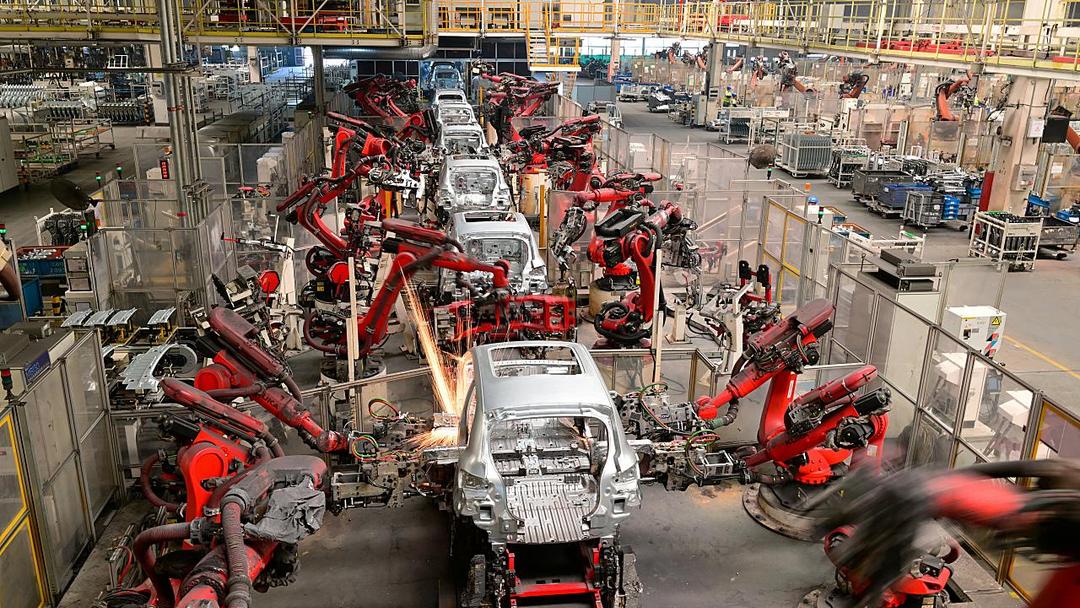
- Elon Musk, speaking virtually on Tuesday at the G20 Innovation Ministerial in Chapel Hill, N.C., predicted that at least 1 billion humanoid robots could be in operation within a decade, with each robot capable of producing roughly five times the output of a human worker.
- Musk projected that AI could expand the global economy by 20% to 30%, adding an estimated $20 trillion to $30 trillion in annual output. He also forecast that by the end of next year, AI software would reach what he called "Stockfish level," making it effectively impossible for humans to compete in software development.
- Musk warned of a looming electricity shortfall, citing analyst consensus estimates that AI chips could face a power deficit of at least 15 gigawatts by 2027. He attributed the gap to AI chip production growing 40% to 50% annually while power generation outside China expands at only 10% to 20% per year.


Sources Split
LEFT
CENTER
RIGHT

+1


+2

+1
ESTAB
CRIT
CENTER
PRO
ESTAB
The Spin
Techno-optimist narrative
The billion-robot forecast is recursive economics. Better AI, better chips and better dexterity make each robot more capable; then robots manufacture more robots, accelerating the entire system. Markets are already moving toward robotics, while AI and robots could even generate the productivity needed to tackle America's debt crisis. The skeptics on this may be pricing yesterday's economy.

Techno-skeptic narrative
Musk's billion-robot prediction deserves serious skepticism given a track record of confidently missed deadlines on self-driving cars, Starship timelines and AI benchmarks. Robotics expert Rodney Brooks noted no deployed humanoid robot comes close to 1% of human productivity. Quietly shifting prediction dates forward while markets react is a pattern that benefits stock prices far more than it reflects technological reality.
Public Figures
The Controversies















© 2026 Improve the News Foundation.
All rights reserved.
Version 7.18.2