Hackers Target French Blood Bank Fridges, No Supply Lost
The Facts
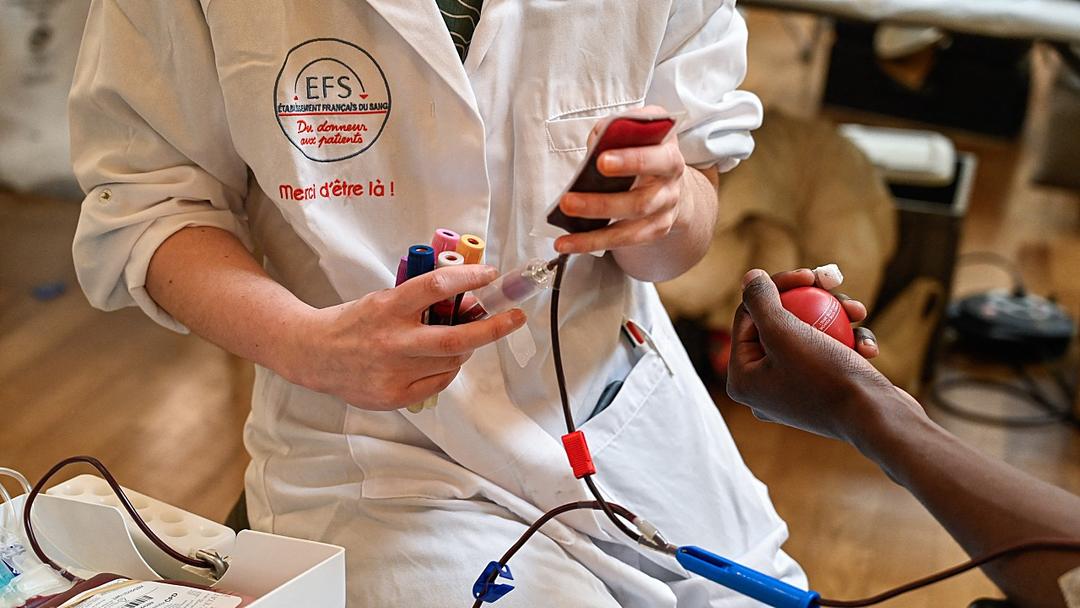
- The French Blood Establishment (EFS) said Tuesday that a cyberattack on one of its refrigeration providers affected control systems for cold rooms at three sites, raising temperature and defrosting thresholds to very high levels. No blood products were lost.
- Le Canard Enchaine, which first reported the incident, said hackers sought to push cold rooms from −30°C (−22°F) to 110°C (230°F) overnight Sunday. A technician on duty spotted the change; 110°C (230°F) was a target setting, not a temperature reached.
- Coolworld, named in French media as the refrigeration supplier, said the vulnerability concerned a third-party component outside its direct control and that a limited number of units were affected. France's cybersecurity agency is investigating.


Sources Split
LEFT
CENTER
RIGHT
+1
+1
+2
+1


ESTAB
CRIT
CENTER
PRO
ESTAB
The Spin
Anti-Russia narrative
Russia's hybrid war against NATO is increasingly playing out across civilian infrastructure, from blood banks and supermarket freezers to military bases, shipping and data centres. The latest cyberattacks add another front to a campaign of alleged sabotage, espionage, drone incursions and disruption targeting European allies. Treating each incident in isolation misses the wider pattern.
Pro-Russia narrative
Moscow should not be made a scapegoat for Europe’s failure to secure essential infrastructure. Framing the breaches as Russian “hybrid warfare” before investigators establish responsibility risks politicizing the investigation and shifting scrutiny away from the negligent operators that left critical systems exposed.
Narrative C
A Telegram brag isn't evidence, especially from groups best known for knocking websites offline and for claiming credit on attacks carried out by others. Iranian-aligned actors have allegedly hit the same gear in Israel and the U.S., and teenagers can stroll through exposed admin panels with weak passwords. Rushing to blame Moscow risks chasing the wrong target while the real hole stays unfixed.
Pro-government narrative
Regardless of who is behind the attack, French authorities are working with the EFS and national cybersecurity agency ANSSI to investigate the breach, secure affected equipment and strengthen monitoring. Rapid detection prevented blood losses, while ongoing coordination aims to identify vulnerabilities, establish accountability and protect vital supplies and uninterrupted patient care.