Study: Extreme Fire Weather Days Doubled Globally Since 1979
The Facts
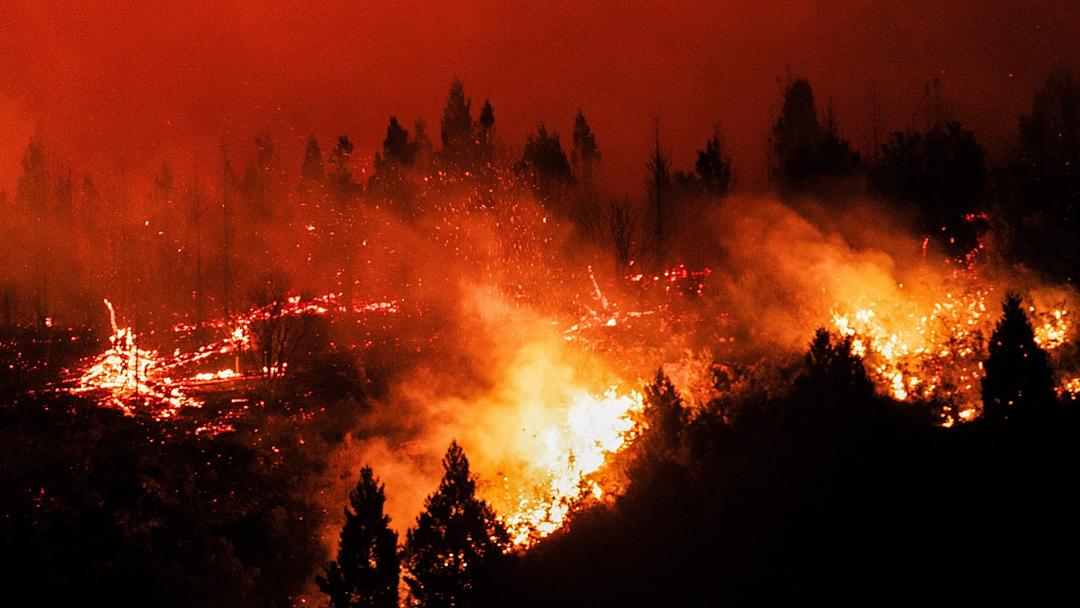
- Researchers from the University of East Anglia and the University of California, Merced, have found that synchronized extreme fire weather, characterized by exceptionally warm, dry and often windy conditions, has increased significantly worldwide since 1979.
- In their study published Wednesday in Science Advances, the team estimates that more than half of the observed increase in synchronous fire weather is driven by human-caused climate change, while natural climate variability can strongly amplify synchronicity in some regions.
- In many areas, the number of high-risk days happening at the same time has more than doubled. The continental United States averaged 7.7 synchronous fire weather days per year from 1979 to 1988, but in the last 10 years, that average rose to 38 days per annum.


Sources Split
LEFT
CENTER
RIGHT
+2


ESTAB
CRIT
CENTER
PRO
ESTAB
The Spin
Climate-concerned narrative
Extreme fire weather days have nearly tripled globally since 1979, with human-caused climate change responsible for over 60% of this alarming increase. The synchronous nature of these conditions means multiple regions now face fire threats simultaneously, overwhelming suppression resources that once could be shared between areas with staggered fire seasons. South America has seen fire weather days skyrocket from 5.5 to over 70 annually, proving the climate crisis is fundamentally reshaping global fire risk.
Climate-skeptic narrative
Long-term data reveals wildfires were far more frequent before 1900, and current increases simply reflect relaxed fire suppression policies after decades of dangerous fuel accumulation. The flammability of vegetation depends on 1 to 4 days of dry weather, not on climate trends that require 30 years to detect, while 85% to 95% of fires stem from human ignitions, including arson. Blaming CO2 ignores that only 6% of the Earth has experienced increased aridity, with most changes driven by natural La Niña conditions rather than warming.
Metaculus Prediction
The Controversies
Go Deeper
© 2026 Improve the News Foundation.
All rights reserved.
Version 7.18.2