Colombia's Petro Reasserts Fraud Claims Ahead of De La Espriella's Inauguration
The Spin
Left narrative
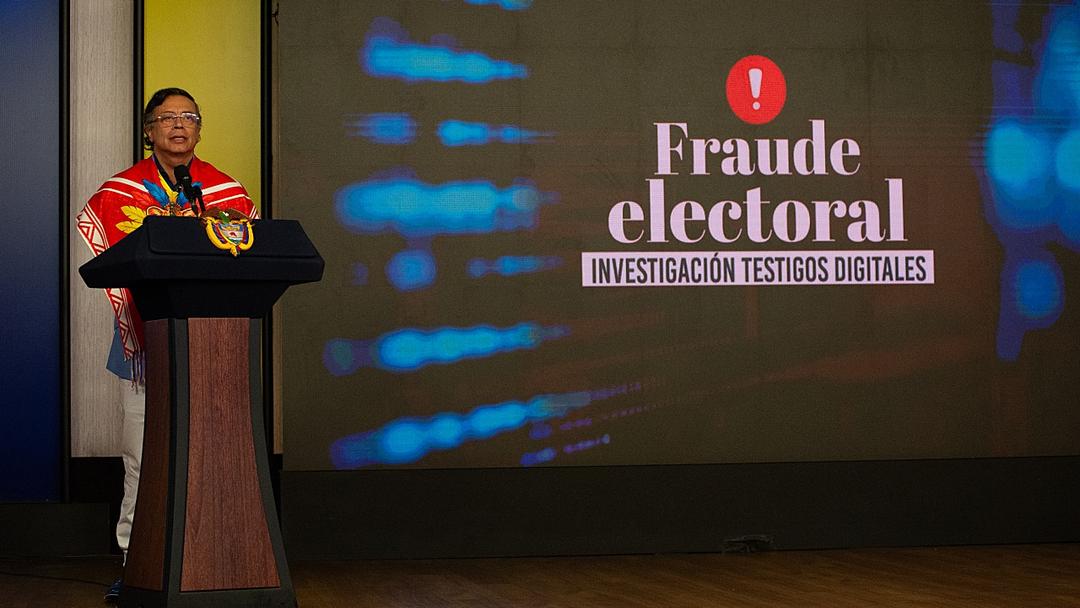
Colombia's electoral system was compromised through algorithmic manipulation: tally sheets lacked hash security locks, meaning they could have been altered after voting ended. Investigators found municipalities where voter rolls exceeded the total population, with de la Espriella sweeping those areas by implausible margins. The mathematical patterns detected across 1,350 polling stations are statistically impossible under normal human voting behavior.
Right narrative
The supposed "evidence" of fraud doesn't hold up. There is no actual proof of altered votes or falsified results, and the argument boils down to metadata gaps in the digital publication of vote tallies, which electoral authorities have already explained as routine. The "digital witnesses" group adds nothing new: Its anomaly map uses a coloring trick that flips by winner, not by irregularity, and its "fraud simulator" only shows that changing votes changes results.