Bulgaria Officially Adopts Euro
The Spin
Government-critical narrative
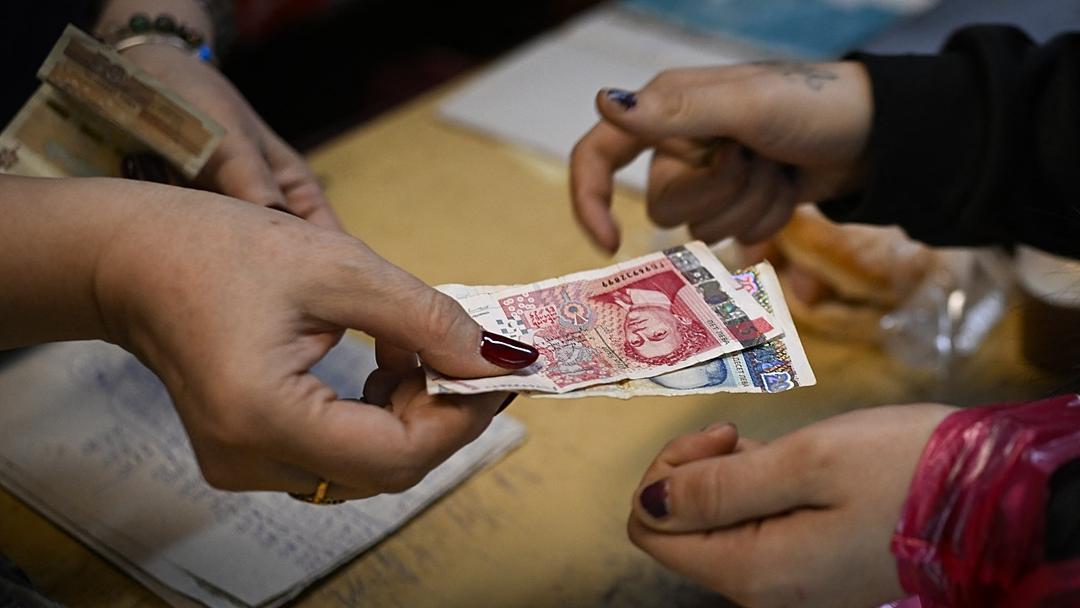
Bulgaria's forced adoption of the euro ignores the will of its people and threatens economic disaster. The government rejected a referendum despite polls showing the population evenly split, imposing the currency change during severe political instability. Fear of following Italy's stagnation model rather than Baltic success looms large as small businesses suffer and citizens resent losing the lev after 144 years.
Pro-government narrative
Joining the eurozone represents Bulgaria's crowning achievement after years of reforms and strengthens its voice in Europe. The euro delivers tangible benefits through easier payments, better market access for businesses and improved credit ratings that were penalized for 28 years. Strong public backing across the EU confirms the single currency's success, and careful preparation, including dual pricing and free currency exchanges, ensures a smooth transition.
Establishment-critical narrative
Bulgaria's eurozone entry raises serious questions about EU due diligence. The country ranks among Europe's most corrupt, held seven elections since 2021, and saw its prime minister resign over graft allegations just weeks before joining. With income at only 59% of the EU average and weak institutions, finance ministers approved membership despite obvious governance problems. When a notoriously corrupt system submits the data used for approval, skepticism about those numbers isn't conspiracy theory—it's prudence.