Amazon’s Zoox Robotaxis Receive Commercial Approval
The Facts
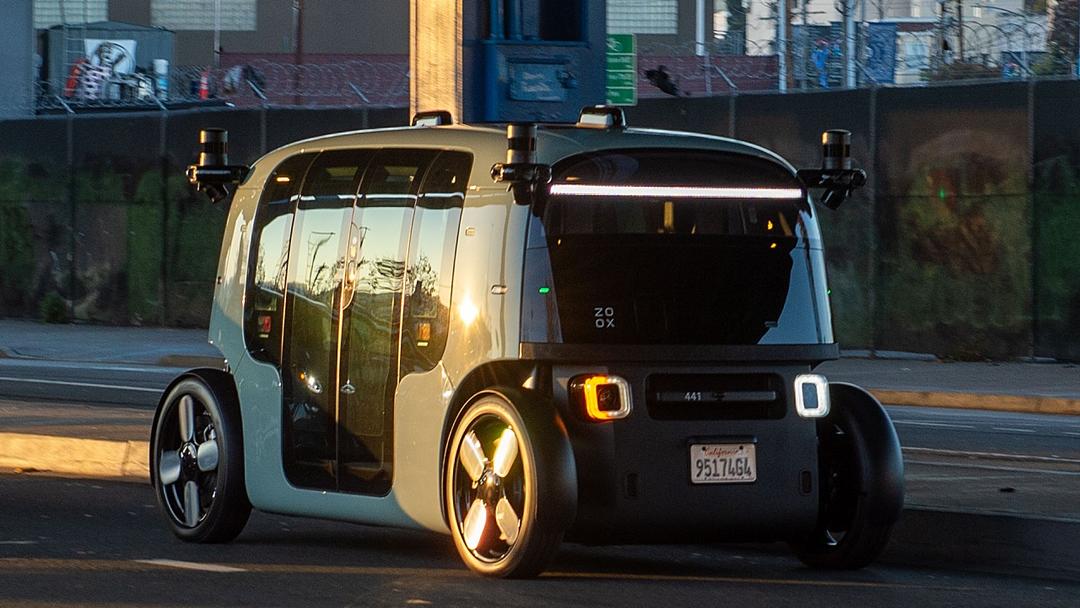
- The U.S. National Highway Traffic Safety Administration (NHTSA) on Thursday granted Amazon-owned Zoox a temporary exemption to commercially deploy 2,500 robotaxis a year for two years.
- Zoox plans to begin charging fares in Las Vegas next month before expanding to additional markets, following years of offering free rides in Las Vegas and San Francisco to more than 500,000 passengers.
- Besides the first such approval, NHTSA is also updating its guidance for autonomous vehicles for the first time since 2017, covering areas like emergency-responder interactions and post-crash behavior.


Sources Split
LEFT
CENTER
RIGHT
+1
+2

+2
+1
+2


ESTAB
CRIT
CENTER
PRO
ESTAB
The Spin
Techno-optimist narrative
Federal approval for Zoox to deploy up to 2,500 driverless robotaxis marks a genuine turning point for urban mobility. Purpose-built cabins with face-to-face seating and zero manual controls signal that regulators are ready to validate entirely new vehicle formats. Las Vegas becomes a live testbed where cities can finally study how always-available, electric, automated transport reshapes congestion and reforms car ownership.


Techno-skeptic narrative
Zoox's federal exemption caps deployment at just 2,500 vehicles annually for two years, while Tesla's Cybercab sidesteps that ceiling entirely by self-certifying under existing safety standards. Zoox has offered lots of promises but provides insufficient data, and NHTSA itself flagged a clear pattern of AVs blocking emergency responders. A hard vehicle cap paired with unproven software is a shaky foundation for declaring autonomous robotaxis are ready for public streets.

Metaculus Prediction









© 2026 Improve the News Foundation.
All rights reserved.
Version 7.17.0