UN: 250M Displaced by Climate Disasters in Past Decade
The Facts
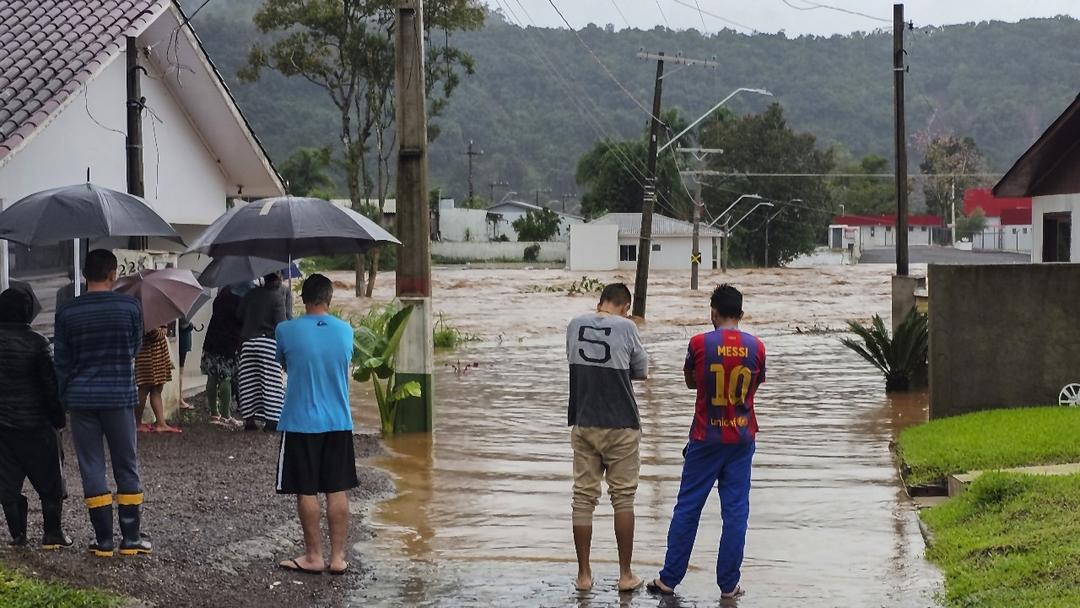
- The U.N. Refugee Agency reported on Monday that weather-related disasters displaced approximately 250 million people globally during the past decade, averaging over 67,000 displacements daily. The agency cited floods, storms, drought and extreme heat as primary drivers.
- By mid-2025, 117 million people were reportedly displaced by war, violence and persecution. Three-quarters lived in countries experiencing high or extreme exposure to climate-related hazards, creating compounding challenges for already vulnerable populations.
- According to the report, the number of countries reporting both conflict and disaster-related displacement has tripled since 2009. Fragile and conflict-affected nations hosting refugees reportedly receive one-quarter of the climate finance they said is required for adaptation.


Sources Split
LEFT
CENTER
RIGHT

+1

+1
+3

+1
+1


ESTAB
CRIT
CENTER
PRO
ESTAB
The Spin
Climate-concerned narrative
Climate disasters have displaced 250 million people in the past decade, creating a humanitarian crisis that demands immediate action. Refugees and displaced communities face deadly heat, water shortages and environmental collapse while receiving inadequate climate funding. The world must invest in frontline communities now to prevent further catastrophic displacement.
Climate-skeptic narrative
The bulk of global forced movement remains rooted in conflict, persecution and governance failures — not solely climate disasters. Framing the issue primarily as "climate displacement" risks obscuring the deeper structural causes — poverty, weak capacity and lack of resilience — and may misdirect policy away from the holistic crisis of forced migration.
Cynical narrative
The claimed climate consensus is fundamentally flawed, as climate models are unreliable and built on a limited understanding of complex systems. The sun, oceans, clouds and unknown factors all influence climate. Predicting future warming is speculative — if meteorologists struggle to forecast next week's weather, how can the U.N. foresee global trends a century ahead?

Metaculus Prediction
The Controversies
Go Deeper

© 2026 Improve the News Foundation.
All rights reserved.
Version 7.18.3