New Zealand Māori Ward Referendum: 25 Councils Vote to Remove
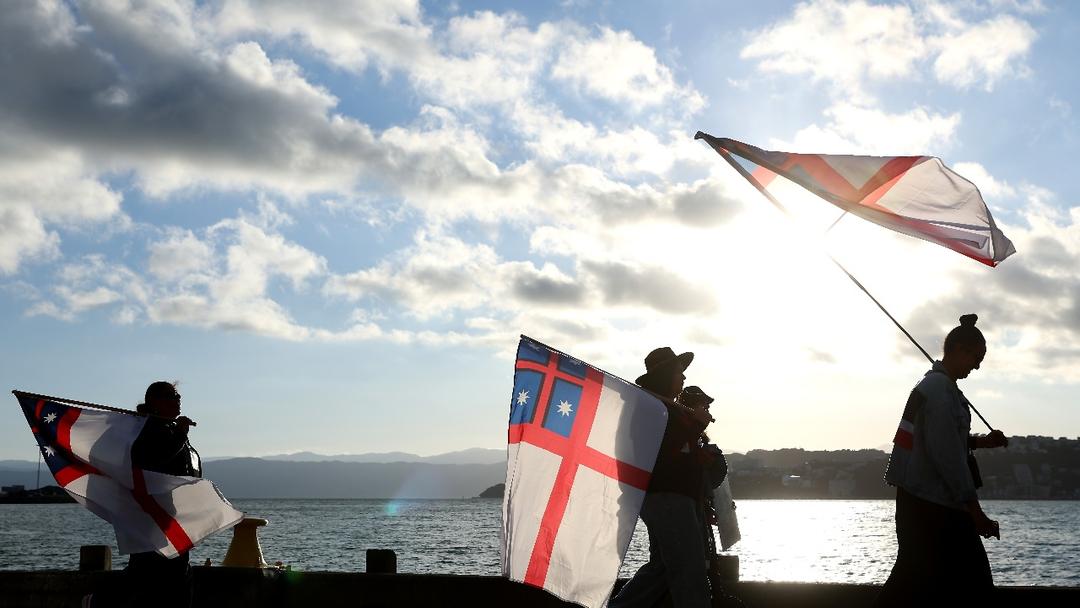
The Facts
- More than half of New Zealand's Māori wards, which secured Māori representation on local councils, have been abolished according to the preliminary results of a series of local referendums.
- Of the 42 local authorities in the country that voted on the matter, 25 elected to remove their wards. The remaining 17, meanwhile, opted to retain guaranteed Māori membership on their respective councils.
- Tallied nationally, over 52% of electors voted to keep the Māori wards while roughly 48% voted to remove them. These votes were divided along urban-rural lines, with six out of seven cities voting to support the wards, while rural regions predominantly voted in favor of disestablishment.


Sources Split
LEFT
CENTER
RIGHT


+1
ESTAB
CRIT
CENTER
PRO
ESTAB
The Spin
Narrative A
The Māori ward referendums exposed a broken system where local minorities can override national democracy. More New Zealanders voted to preserve the Māori wards than to remove them, but fragmented local voting let smaller rural districts strip away Indigenous representation. This set-up puts Māori political participation at the mercy of those least affected by its removal.
Narrative B
The referendum results are a victory for equal democratic rights over racial division. Twenty-five councils chose democracy and common sense by rejecting race-based council seats that separate New Zealanders by ancestry. Despite the blatant media bias and institutional pressure favoring Māori wards, voters across the country stood up for equal voting rights.
© 2026 Improve the News Foundation.
All rights reserved.
Version 7.18.2