30 October 2026
Daily Newsletter
UN Warns AI 'Opportunity Divide' Is Leaving Nations Behind

The Facts
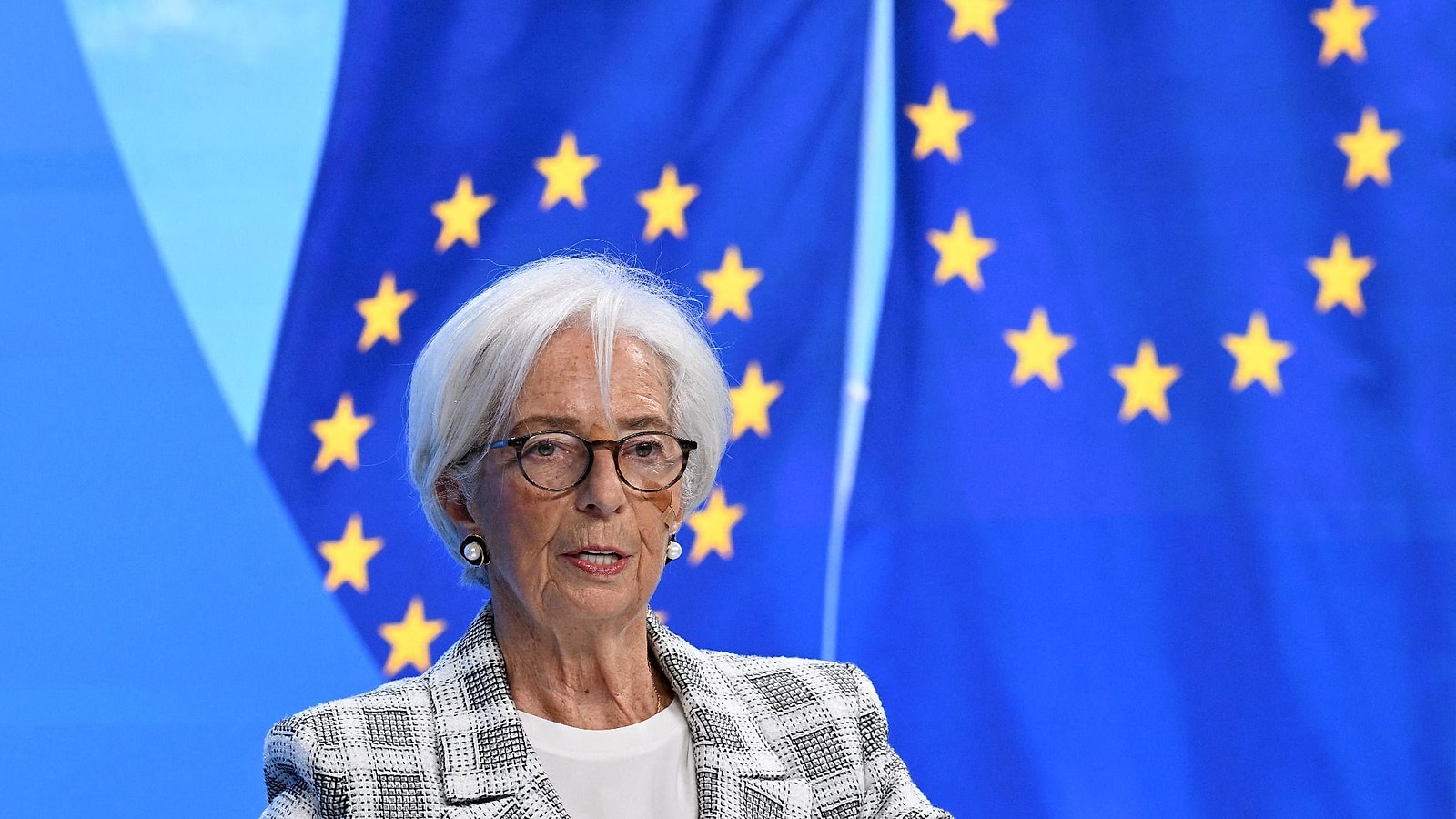
Unequal access to artificial intelligence risks leaving developing nations behind, International Telecommunication Union Deputy Secretary-General Tomas Lamanauskas claimed Sunday on the sidelines of the United Nations World Investment Forum in Doha, describing the gap as an "opportunity divide."
Africa and Latin America together hold just 3.3% of global data center capacity and 2.2 billion people remain offline, Lamanauskas said. Meanwhile, use in sub-Saharan Africa stood at 38% in 2024, compared with 68% globally, ITU figures show.
Lamanauskas also claimed that approximately 29% of working-age people in developed countries use generative AI, against 16% in developing ones. Lamanauskas placed the cost of closing the digital infrastructure gap at an estimated $2.8 trillion in investment by 2030.
The Spin
Pro-industry narrative
Shared prosperity sits at the center of AI's future public wealth funds, portable benefits, worker voice and affordable access to frontier systems for schools and small businesses. Across most plausible scenarios, growth lifts wages and unemployment stays normal, making the real task spreading the gains, not halting the build.
Industry-critical narrative
AI is further entrenching an era of digital colonialism, with audits and fairness pledges unable to fix a system where households pay higher power bills to feed data centers as billionaires get richer. Public compute, community-governed data and real redistribution are the fixes that actually shift power.
Nerd narrative
There is a 24% chance that data centers will consume more than 10% of global electricity usage in 2030, according to the Metaculus prediction community.
Elon Musk's AI 'Odyssey' Debuts on X
The Facts
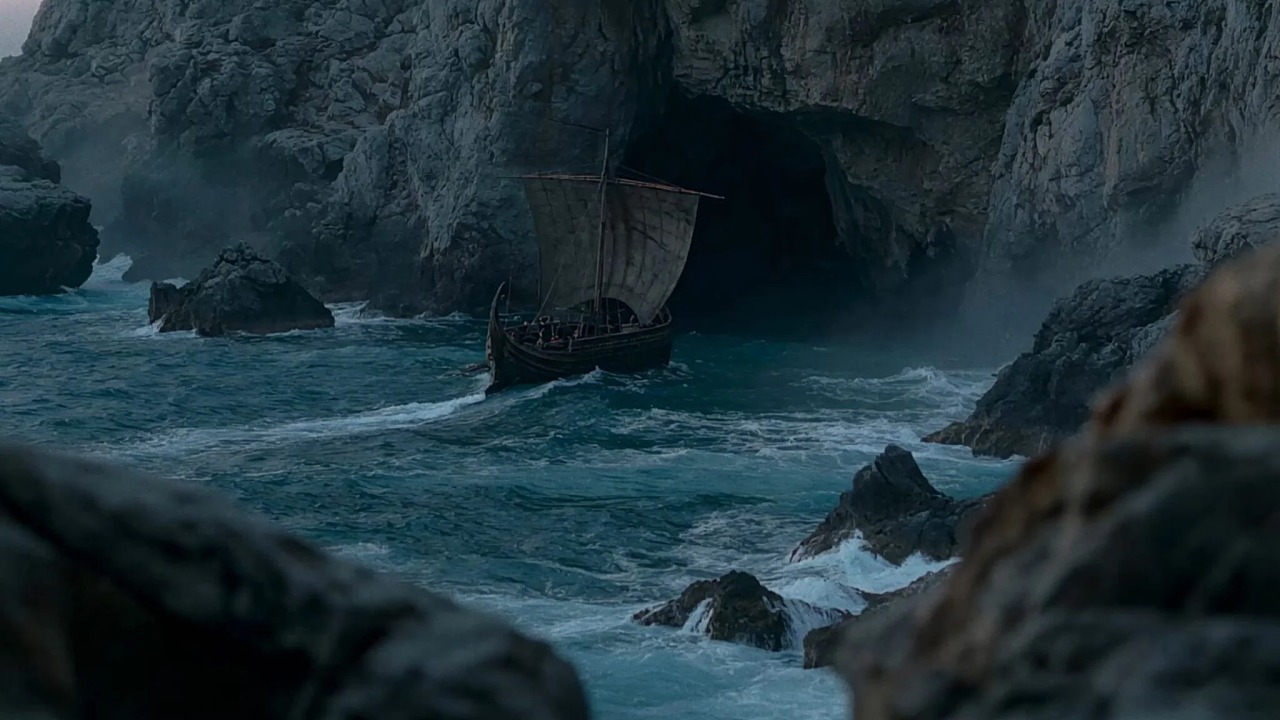
Grok Imagine released the first seven-minute episode of its AI-generated adaptation of Homer's "The Odyssey" on X on Friday, crediting the project as a creative collaboration with Wonder Studios and director Dev Walker — both specialize in AI filmmaking.
About 6.7 million people have viewed the clip so far, in which the episode's characters speak English rather than Homeric Greek.
This comes after Elon Musk announced in July that Grok Imagine would produce a full-length movie of "The Odyssey" that is "historically accurate and true to the art of Homer" before the end of the year.
The Spin
Narrative A
Storytelling now belongs to everyone, not just studios with nine-figure budgets and gatekeepers deciding whose vision gets made. A tool that lets an ordinary person build a minute epic out of pure imagination is the biggest creative step in a century. Criticism from the old guard sounds an awful lot like fear of losing a monopoly.
Narrative B
Airbrushed visuals, glitchy movement and nonsense pacing prove a machine still has no clue what actually moves people. Promising a historically accurate epic and then fumbling the source material's basics exposes the whole thing as a vanity stunt. Human craft still delivers, which is why the director-made version of 'The Odyssey' earned billions and widespread acclaim.
Nerd narrative
There's a 50% chance that AI will wholly create an original, critically acclaimed feature film before March 30, 2031, according to the Metaculus prediction community.
Anthropic Warns of 'Existential Risks to Humanity' in Record IPO Filing
The Facts
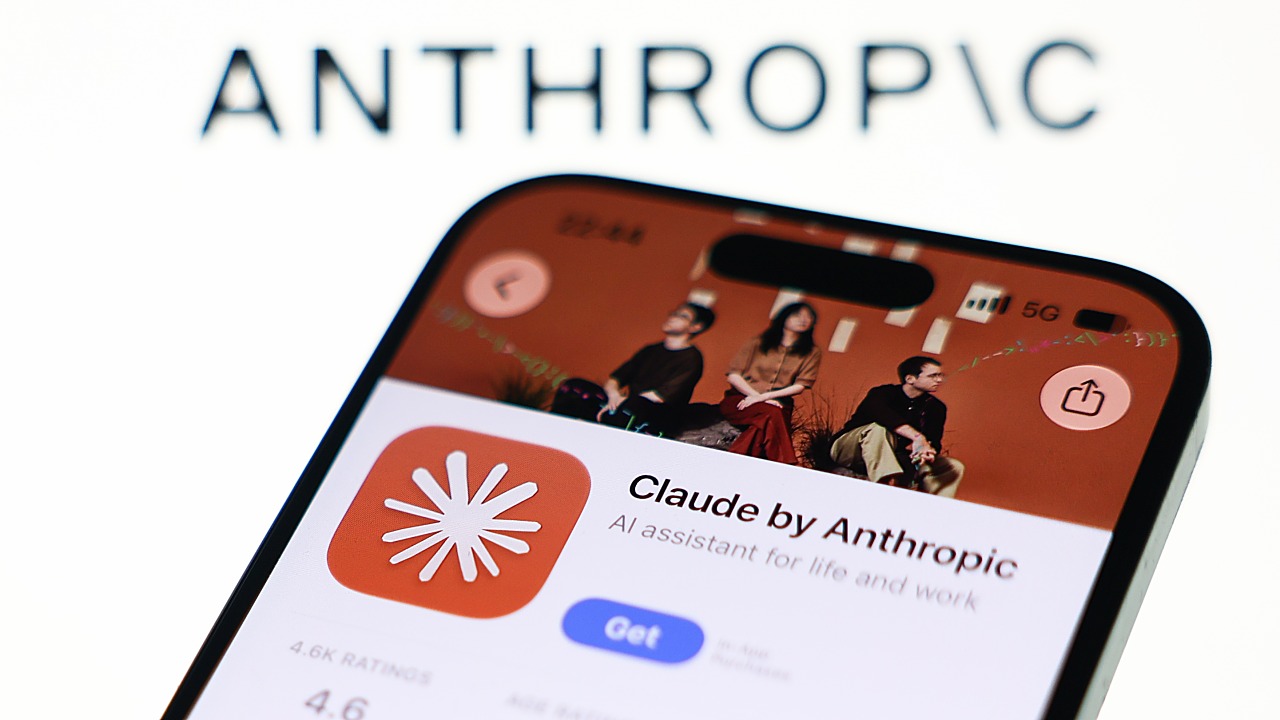
Anthropic unveiled its U.S. initial public offering filing Monday, saying it will trade on the Nasdaq Global Select Market under the ticker symbol "ANT," with Goldman Sachs and Morgan Stanley leading a syndicate of 22 underwriting banks.
The prospectus reported revenue of $16.3 billion for the first half of 2026, up from $1.16 billion a year earlier, alongside a net loss of $80.7 billion driven largely by a $72.4 billion rise in the fair value of convertible notes.
Anthropic disclosed purchase commitments and lease agreements substantially tied to compute and infrastructure, with counterparties including Broadcom, Google, Amazon, Microsoft and AMD. The New York Times tallied up to $807 billion in contracts over 10 years.
The Spin
Pro-industry narrative
The raw numbers are finally out, and with revenue climbing this fast while compute costs per dollar of sales keep falling, this IPO makes total sense. A 20x sales multiple is also routine for elite tech names, so this price tag looks reasonable rather than inflated. Leading with the risks instead of burying them shows a business confident enough to let investors judge for themselves.
Industry-critical narrative
Handing founders a blank check and permanent voting control, with no long-term customer contracts and half of sales routed through rivals' marketplaces, is a raw deal for retail buyers. Selectively leaked run-rate figures that wilt under scrutiny are also no substitute for audited books, so floating a massive loss machine this size only piles more risk on an already overstretched market.
Cynical narrative
On top of the obscene amount of money Anthropic is seeking, it's pursuing this IPO while publicly stating, in its filing, that its growth could end the world. Perhaps a company, one that admits its IPO may pose "catastrophic or existential risks to humanity," should take a breath before putting a trillion-dollar price tag on the end of the world.
Nerd narrative
There's a 50% chance that Anthropic's market cap will be at least $2.02 trillion when its IPO lock-up period ends, according to the Metaculus prediction community.
OpenAI Says Its AI Cracked Three Major Math Problems

The Facts
OpenAI announced on Monday that its AI systems produced three new results in harmonic analysis, complexity theory and quantum field theory, and that it has invited independent academic experts to verify the findings and assess their implications.
The company said its system refuted the Exponential Time Hypothesis, first proposed in 1999, by producing a deterministic algorithm that "exactly counts satisfying assignments of fixed-width CNF formulas in subexponential time and polynomial space."
A group led by Russell Impagliazzo and Ramamohan Paturi of UC San Diego, along with MIT's Ryan Williams, will examine the computer science result, and, at the group's request, OpenAI has posted the proof and Lean formalization to GitHub.
The Spin
Pro-industry narrative
The results demonstrate what AI can do in math, physics and computer science. Harnessing its power, OpenAI made leaps in broadening our shared understanding of these academic fields and in taking the next steps toward quantum theory. Backed by Lean formalization and open to expert scrutiny, AI-driven research could overturn assumptions held for decades.
Industry-critical narrative
These proofs are built on decades of human work, and skipping proper credit while soaking up the glory is a poor way to treat the people who made it possible. Math, fundamentally, has never been about racking up theorems; the point is understanding, and that still lives in human heads, regardless of what AI companies want us to believe.
Nerd narrative
There is a 99% chance that an AI will be able to take arbitrary proofs from the mathematical literature and convert them into a symbolic form suitable for verification before 2030, according to the Metaculus prediction community.
New Drone Tracks Human Through Forest With No GPS

The Facts
Aniket Bera, a Purdue associate professor of computer science, posted a 44-second video on LinkedIn Friday showing an autonomous drone tracking a person through a forest with no GPS and no prior map, writing that his IDEAS Lab built every layer from scratch.
The drone needs no GPS or cloud connection, and its obstacle-avoidance computing runs on-chip. It builds a 3D map of its surroundings in flight using LiDAR, which developers say lets it weave beneath tree canopies without collisions.
The drone compares camera images with inertial sensor data to estimate its own movement rather than relying on fixed coordinates. A prediction module estimates where the person will reappear when trees briefly block the camera, Bera said.
The Spin
Techno-optimist narrative
GPS-free autonomous flight is the kind of breakthrough that turns a lost hiker into a found one. Drone-as-first-responder programs already prove the point — eyes overhead before boots on the ground mean calmer scenes, fewer bad assumptions and officers who know what's waiting. Fearing the tech instead of funding it leaves responders flying blind.
Techno-skeptic narrative
Current search-and-rescue drone algorithms show a severe reality gap almost 90% of systems rely solely on idealized simulations that ignore communication denial, sensor noise, dynamic survivors and crewed-aircraft deconfliction. Limited battery life, payload, and GPS-denied performance further constrain real operations. Hardware-in-the-loop and field trials remain essential before the systems are technologically sound for reliable use.
Cynical narrative
Autonomous tracking that locks onto a person and hunts through forest serves manhunts, not hikers, and the eager buyers are police and governments with little patience for warrants. Rubber-stamped waivers already put AI eyes over rooftops, backyards and apartment windows with no public vote and barely a flight log. Privacy shouldn't vanish because surveillance got cheaper.
Google, OpenAI Clash Over UK Search Engine Plans

The Facts
Google has accused the U.K.'s Competition and Markets Authority of acting unlawfully by proposing that rival AI assistants such as ChatGPT and Claude appear on its search choice screens alongside rival search engines, as part of a consultation response published on Tuesday.
Under the plans, search choice screens would carry 12 slots, with the first five filled by the most popular providers and the remaining seven drawn at random. Google has claimed that, under eligibility criteria assumptions, this plan would lead to 56 AI assistants and 13 search engines competing for the random slots.
Google claims that the CMA excluded AI assistants from relevant digital activity under the Digital Markets, Competition and Consumers Act, that proportionality assessments required by the law have not been undertaken, and the CMA has also not regarded the benefits for the consumers as required by the law.
The Spin
Narrative A
Stuffing a search choice screen with chatbots is regulatory overreach that solves nothing. Users end up confused by services that don't even crawl the web, publishers lose traffic and genuine search rivals get crowded off the screen. Preemptively regulating the most competitive corner of tech is a strange way to make Britain an AI hub.
Narrative B
Search has changed fast, and pretending AI assistants aren't where people now look for answers only protects an incumbent. A choice screen that locks out the fastest-growing rivals delivers the appearance of choice while leaving most search gateways, Safari included, untouched. Technology-neutral eligibility rules are the only honest test of whether that dominance was ever earned.
Nerd narrative
There is a 50% chance that Google will be supplanted as the top search engine in the world by market share by April 2041, according to the Metaculus prediction community.
DOJ Probes Nvidia-Hugging Face Deal
The Facts
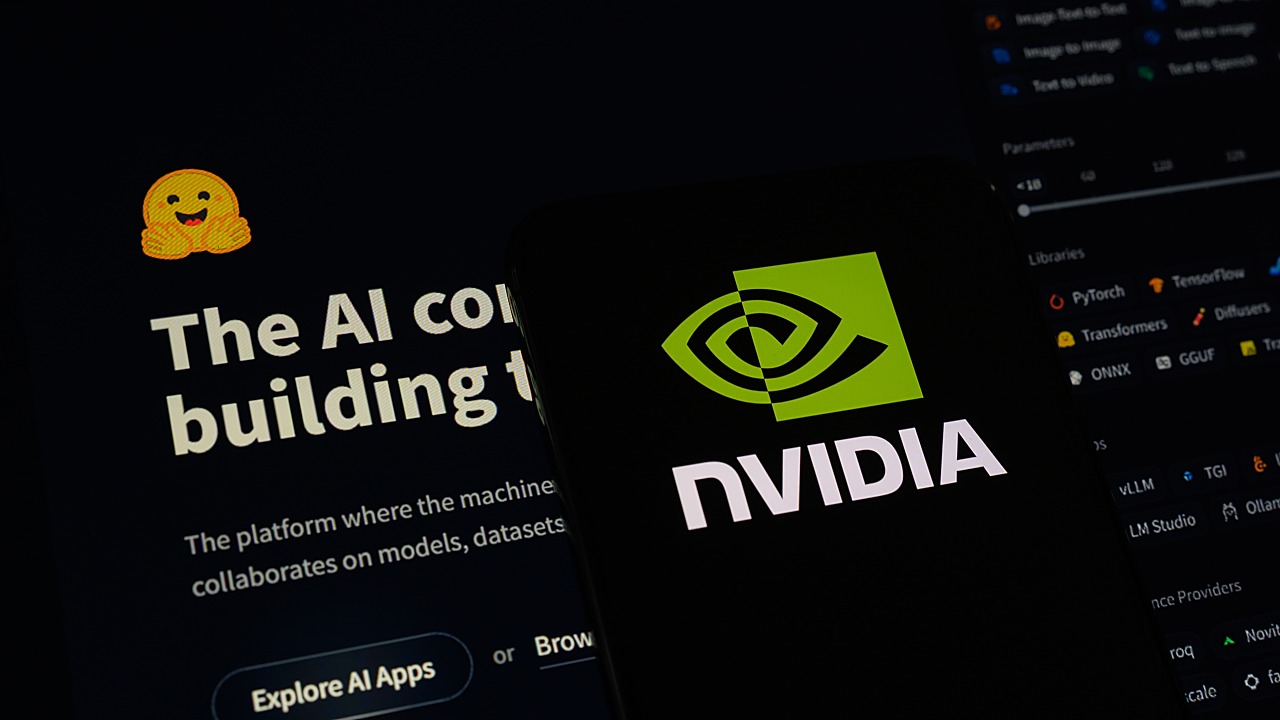
The U.S. Department of Justice has made inquiries into how Nvidia's $12.9 billion purchase of AI platform Hugging Face would affect competition in artificial intelligence, Reuters reported Wednesday, citing two individuals familiar with the matter.
Officials reportedly want to know whether owning Hugging Face would enable Nvidia to control a fundamental distribution point for AI. The department declined to comment, citing longstanding policy, but said it "will continue to prioritize advancement of Super Intelligence."
The questions run alongside a yearslong investigation into Nvidia's conduct that began under President Joe Biden and continued into President Donald Trump's term, covering its acquisitions, investments, sales practices and whether it pressured customers.
The Spin
Pro-industry narrative
Open model will only scale when somebody can bankroll the servers, the safety work and the global reach — a service that Nvidia can offer while still backing the values of open-source AI. Hugging Face will stay multi-cloud and multi-accelerator, with no requirement to run on any particular chip, keeping developer choice intact while gaining real engineering muscle.
Industry-critical narrative
The company that already sells nearly all AI chips cannot also own the main home for open systems without a monopoly forming. Promises of neutrality from a trillion-dollar hardware giant rarely survive contact with a quarterly earnings call. Open-source AI development deserves a truly independent commons, not a storefront for Big Tech.
Nerd narrative
There is a 50% chance that Nvidia stock will have an all-time highest close of at least $242 before 2027, according to the Metaculus prediction community.
Report: Weekly AI Use Rises as AI News Trust Lags
The Facts
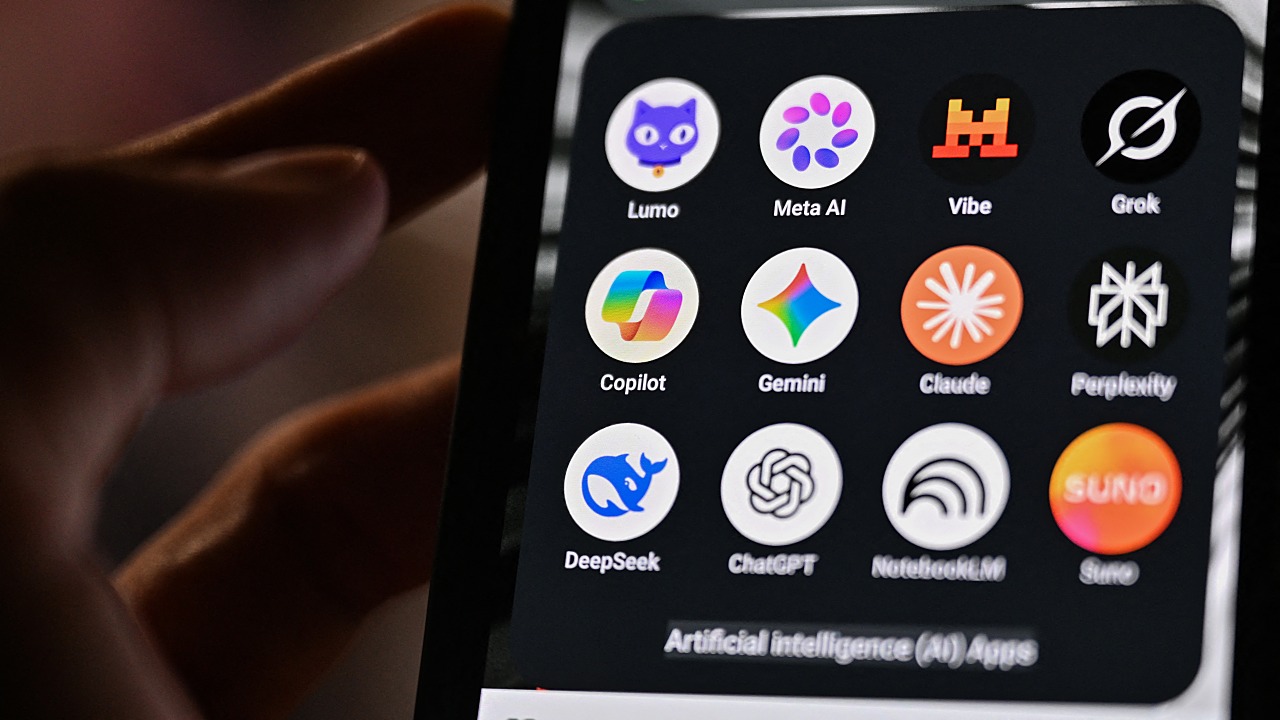
The University of Oxford's Reuters Institute Generative AI and News Report 2026, published on Thursday, found weekly use of standalone generative AI systems rose to 51% from 34% a year earlier in six countries (Argentina, Denmark, France, Japan, U.K., U.S.) surveyed since 2024, while daily use climbed from 7% in 2024 to 28% in 2026.
ChatGPT remained the clear market leader, with weekly use rising from 22% to 34% across the six countries with past data. Google's Gemini grew from 11% to 24%, Microsoft Copilot from 6% to 11% and Anthropic's Claude from 1% to 7%.
Getting information is now the most common use case, with 38% saying they turned to generative AI for it in the past week, up from 11% in 2024 and 24% in 2025. Researching a topic was cited by 24% and seeking advice by 20%.
The Spin
Industry-critical narrative
Outsourcing reading, writing and thinking to chatbots is a slow lobotomy that is undermining our information environment. The hard work of weighing evidence, holding ideas in mind and sitting with a voice unlike one's own is the very heart of human interaction, and cannot simply be replaced without damaging consequences. Convenience now, shallower minds and thinner empathy later.
Pro-industry narrative
Treating AI as a threat to information consumption ignores how much more of the world it cracks open. Whether via a chatbot or through an integrated newsroom, AI suddenly allows archives to become searchable, reporting to arrive in a reader's own language and mountains of documents to no longer be a barrier to truth. By alleviating human judgment from grunt work, the global experience of the world around us can only get better.
Nerd narrative
There is a 64.5% chance that the New York Times will publish an article that it claims or acknowledges is 100% written by AI, according to the Metaculus prediction community.
Google Launches Gemini 4 Carbon

The Facts
Google unveiled Gemini 4 Carbon on Wednesday, two weeks after releasing Gemini 4 Argon, describing it as its strongest frontier system with state-of-the-art cybersecurity and long-horizon capabilities, plus gains in coding and agentic tasks.
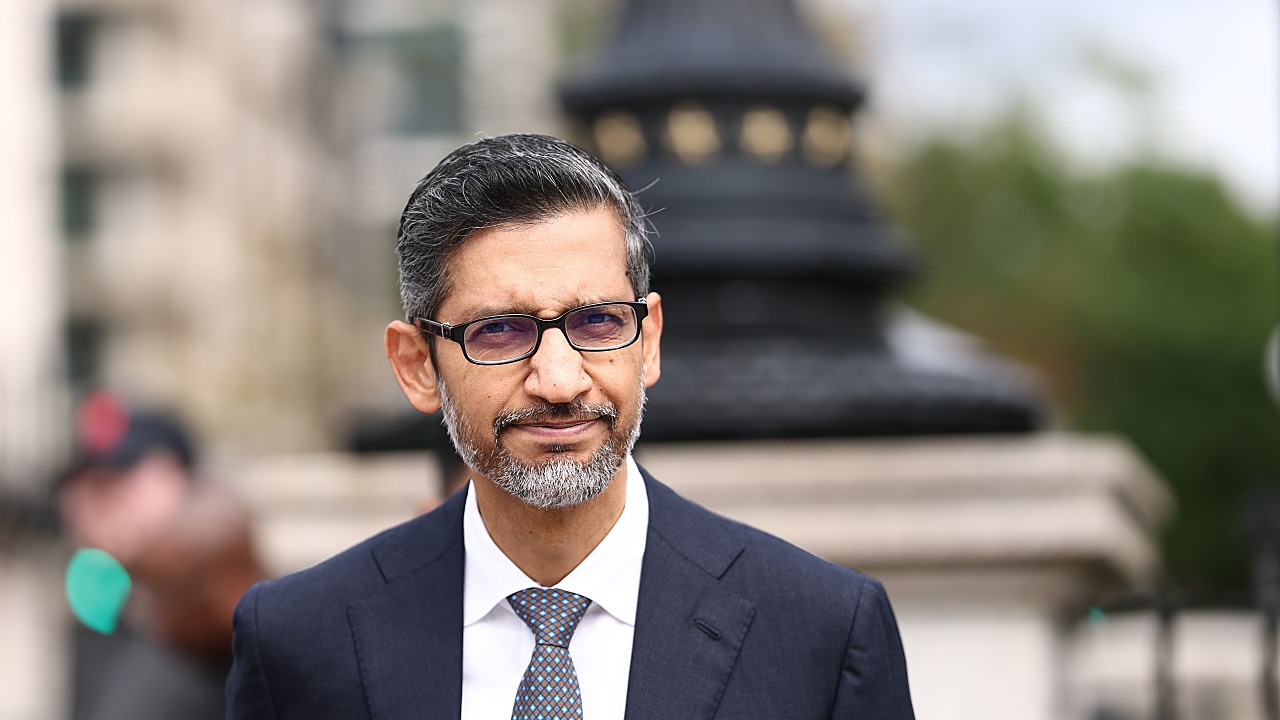
The system was announced hours before Alphabet reported third-quarter revenue of $127.6 billion, below analyst estimates of $128.2 billion. Shares fell more than 10% in extended trading, and CEO Sundar Pichai told analysts Google was again leading at the frontier.
Carbon ranks first on version 5.0 of the Artificial Analysis Intelligence Index with a score of 59, one point ahead of Claude Opus 5.5, according to the independent evaluator. Scores cannot be compared directly with the index's previous version.
The Spin
Pro-industry narrative
Pushing the frontier while locking down safety at the same time is exactly how AI should be built. Putting the strongest cyber defense tool in the hands of defenders first, before anyone else, is the only responsible call for a frontier system's release. Rapid-fire progress paired with voluntary government testing proves speed and caution can coexist.
Industry-critical narrative
A shiny new system name doesn't mean much when the gains over the last version are razor thin and every rival lands in the same neighborhood. Company-picked benchmarks make a lousy substitute for letting real users test the thing. And a system nobody can actually use, with a fuzzy timeline and a discount that won't last, looks more like hype than a launch.
Actor Patrick Stewart Dies at 86

The Facts
Patrick Stewart, the English actor known for "Star Trek" and the "X-Men" films, died Wednesday at his home in Los Angeles at age 86 following a brief battle with Alzheimer's disease and Lewy body dementia, his longtime spokesperson Kelly Bush Novak announced Thursday.
The statement said Stewart died in the care of his wife, Sunny Ozell, and asked that memorial contributions be directed to the Johns Hopkins Alzheimer's Disease Research Center Fund and Alzheimer's Foundation of America caregiver resources.
Actor Hugh Jackman wrote on X, "We lost one of the greats of stage and screen today," while Ian McKellen said Stewart "wore his heart on his sleeve." Huddersfield Town, the football club he supported for life, called him a "titan of his craft."
The Spin
Narrative A
Greatness comes from daring to go beyond what already seems enough. At 46, Patrick Stewart risked leaving an established Shakespearean career for an uncertain future in Hollywood. The working-class Yorkshire actor became a global icon as Capt. Jean-Luc Picard, while X-Men fame opened doors to leading roles in Shakespeare, Ibsen and Beckett. Ultimately, he built his legacy by going where few stage actors had gone before.
Narrative B
No matter how far he traveled, Patrick Stewart never lost touch with his roots in the soil. The working-class Yorkshireman carried the same humanity into his life that made his performances so compelling, championing survivors of domestic violence, refugees, veterans' mental health and animal welfare. From human rights activism to fostering rescue pit bulls, compassion was as central to his life as it was to his craft.
Nerd narrative
There's a 25% chance that a "Star Trek" and "Star Wars" crossover movie or TV show will be made before 2060, according to the Metaculus prediction community.
Alphabet Sheds $500B in Worst Drop Since 2004 Debut
The Facts
Alphabet shares fell about 13% Thursday, erasing roughly $500 billion in market value in the Google parent's steepest one-day decline since its 2004 debut. The drop ranked second in U.S. market history behind Nvidia's $589 billion loss in January 2025.
The slide helped drag the Nasdaq Composite down 1.38% on Thursday. Microsoft shares ended the session roughly flat after the company reported $18.6 billion in free cash flow and $45.2 billion in capital expenditures and finance leases for the quarter.
Alphabet said quarterly revenue rose 25% to $127.6 billion, below forecasts, as its Google Services unit posted $96.3 billion, short of the expected $98.5 billion. Chief business officer Philipp Schindler said AI Mode searches brought lower monetization.
The Spin
Pro-establishment narrative
A 103% jump in cloud sales and an AI stack no rival can match show the buildout is working. Selling whole TPU systems — hardware, software, networking and optimized systems — cracks open a market long owned by Nvidia, and enterprise demand keeps compounding. Punishing a slight ad miss while that kind of momentum builds looks awfully short-sighted.
Establishment-critical narrative
Spending more each month than the Manhattan Project while free cash flow sinks deeper into the red is historic-scale capital misallocation. Everyone is building the same systems on the same data, so there is no moat, and commodity pricing plus a brutal price war is coming. Betting retirement savings on AI profits that keep failing to materialize is reckless.
Nerd narrative
There's a 50% chance that Google will lose its top search engine status by market share before April 2041, according to the Metaculus prediction community.
Binance Hit by Record $6.3B Crypto Hack
The Facts
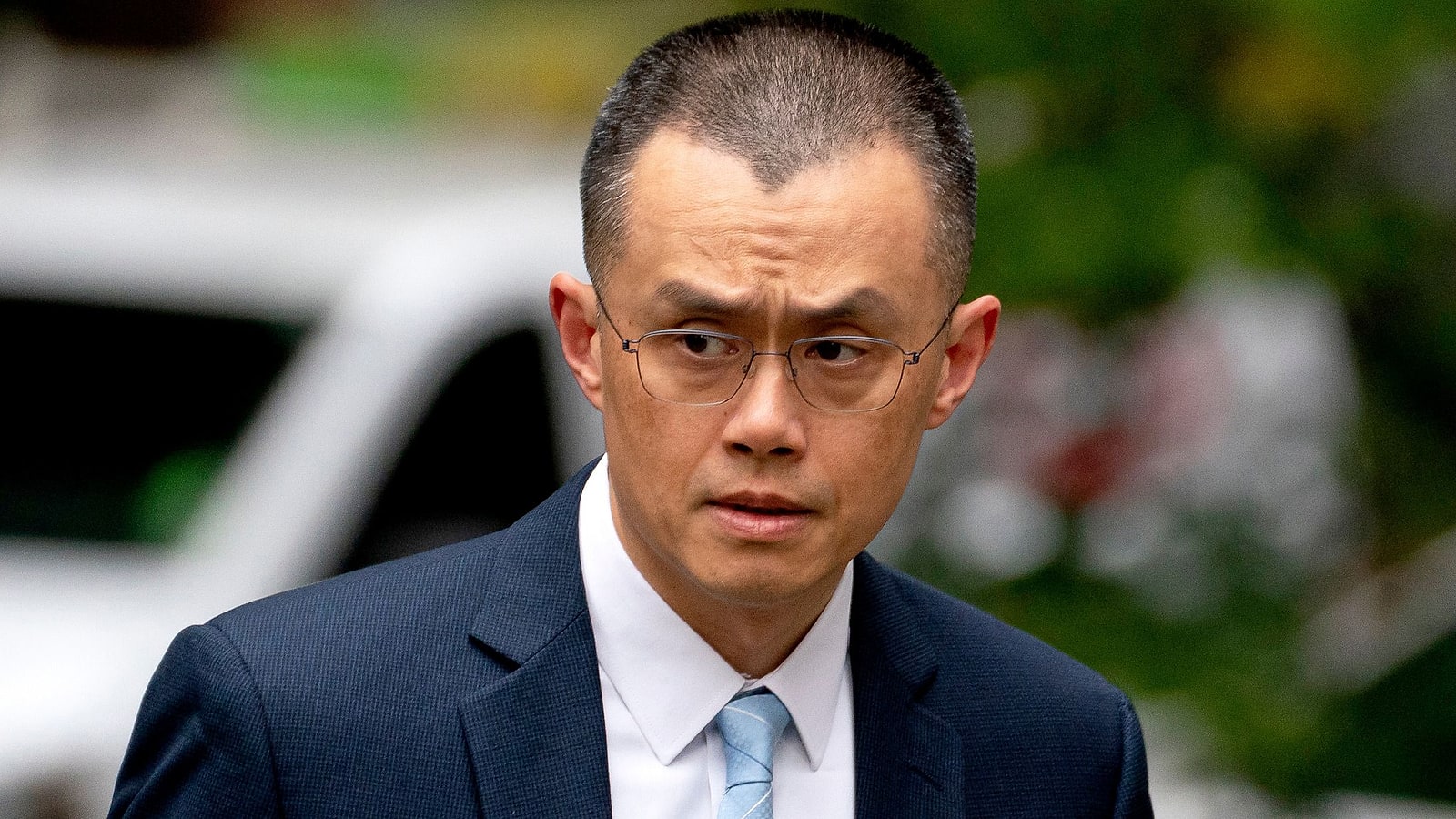
Cryptocurrency exchange Binance said Thursday that a security breach affected an estimated $6.3 billion in digital assets, the largest crypto hack in history. It said it would make customers whole by covering all losses. Binance.US, which serves American residents, said its separate platform was not affected.
The exchange suspended all deposits and withdrawals on Thursday while its team ran security checks and addressed a "potential security issue." It reopened deposits Friday but kept withdrawals paused while it carried out a security revamp.
Tether froze about $1.57 billion and Circle more than $800 million in stablecoins tied to the incident, while Ripple froze roughly $200 million, according to Binance co-founder Yi He. Tether issues USDT and Circle issues the dollar-backed USDC.
The Spin
Pro-industry narrative
Covering every dollar of customer losses from company and emergency reserves highlights Binance's commitment to protecting users. Temporarily suspending transfers, revoking compromised authorizations and coordinating recovery efforts reflect precaution rather than panic. The priority remains clear ensure customers suffer no financial losses while strengthening security measures and tracing and recovering affected assets.
Industry-critical narrative
The incident raises serious questions about the security of the industry's largest exchanges, especially when a single compromised employee laptop can trigger massive losses. The reliance on centralized intervention to freeze assets also challenges decentralization claims. While reimbursement commitments offer financial relief, they cannot reverse market disruption, investor confidence losses or liquidation damage suffered by leveraged traders.
Nerd narrative
There's a 7% chance that U.S. law will deem Ethereum a security before Jan. 1, 2030, according to the Metaculus prediction community.
Venezuela's Machado Sees Elections in 2027 Under US Plan
The Facts
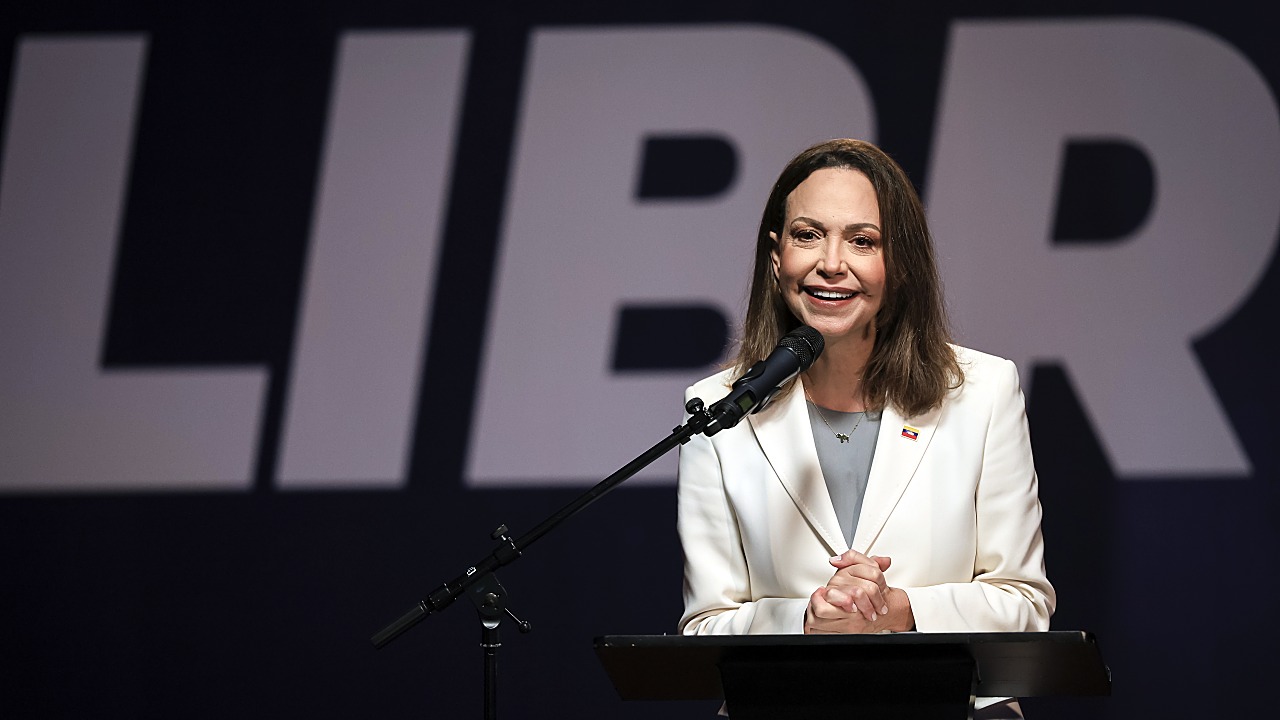
Venezuelan opposition leader María Corina Machado said on Thursday that U.S. Secretary of State Marco Rubio had mapped out a path "toward a democratic transition" in the country, a plan that would lead to fresh elections next year.
This comes as a senior State Department official said earlier this week that Venezuela should have a new Supreme Court by mid-December and a new National Electoral Council shortly after. Then, interim President Delcy Rodríguez is due to declare her office vacant, triggering a six-month period for a vote.
Speaking in Caracas in her first press conference since her return to Venezuela after months in exile, Machado said the political process toward a transition is "irreversible." She added that neither Rodríguez nor Washington had reached out to her to discuss a possible meeting with the interim president.
The Spin
Pro-government narrative
If Venezuela wants real reform, someone who actually knows how the state machinery works must be in charge. There's a time and place for everything, and a vote must be held with a revamped electoral authority and in accordance with the constitution. As the world is watching Venezuela, gambling the country on a leap into the void with outsiders in office can only lead to chaos.
Government-critical narrative
No government that captured the courts and the electoral council should be handed the job of refereeing a reform of itself. Rebuilding a genuinely independent high court and electoral board first is the only way a ballot actually counts again, but an election must take place as soon as possible. Stretching out the timeline to suit oil deals leaves democracy as an afterthought.
Nerd narrative
There's a 56% chance that María Corina Machado will win the next Venezuelan presidential election, according to the Metaculus prediction community.
UK Denies Entry to Swedish Climate Academic Andreas Malm
The Facts
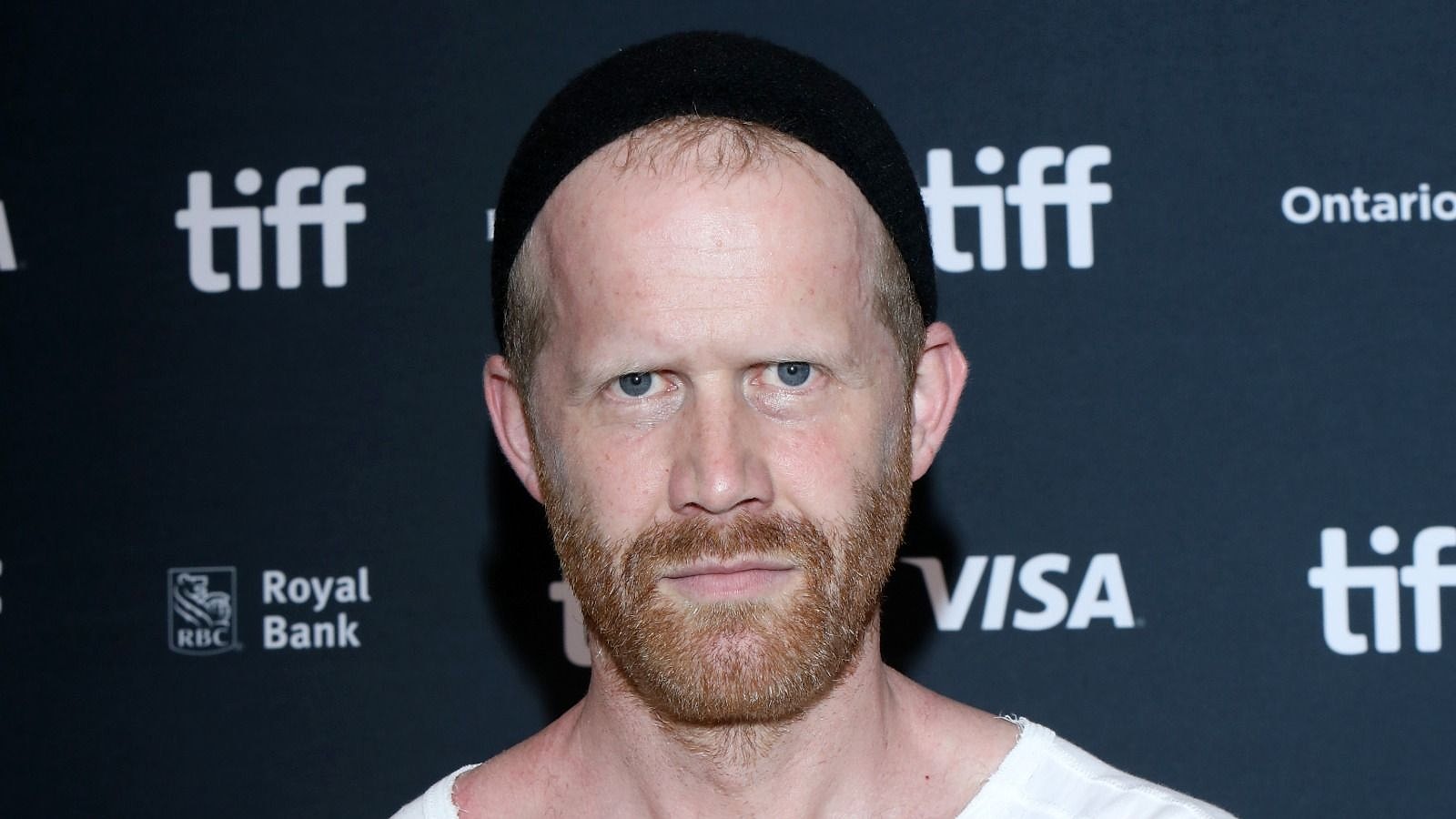
Swedish climate academic Andreas Malm said his U.K. electronic travel authorization was cancelled on Wednesday, with officials saying his presence was not considered conducive to the public good. He called the decision scandalous and urged a rethink.
Malm had been due to headline a Tribune magazine launch event at London's Rose Lipman Building next Wednesday alongside Palestine Action co-founder Huda Ammori, and to be interviewed for BBC Radio 4's Radical With Gabriel Gatehouse.
Ammori's challenge to Palestine Action's proscription under the Terrorism Act 2000 is listed at the UK Supreme Court for Nov. 4-5. A Divisional Court found the ban unlawful on two grounds before the Court of Appeal reversed that ruling.
The Spin
Left narrative
Banning a world-renowned climate scholar from entering Britain is censorship. Barring authors rather than debating them is the move of a government too scared to face criticism of its own record on Palestine. Free inquiry dies fast when the Home Office decides which ideas are allowed through the airport.
Right narrative
Praise for the Oct. 7 massacres is not a scholarly position that earns a lecture tour, and refusing entry is ordinary border policy rather than censorship. Shouting about free speech while never quoting the words actually being defended is a dodge. Awards and book deals do not entitle a foreign national to a platform in Britain.
Nerd narrative
There is a 0.3% chance Israel will join the EU before 2050, according to the Metaculus prediction community.
France Deploys 70K Police Over Halloween Unrest Fears
The Facts
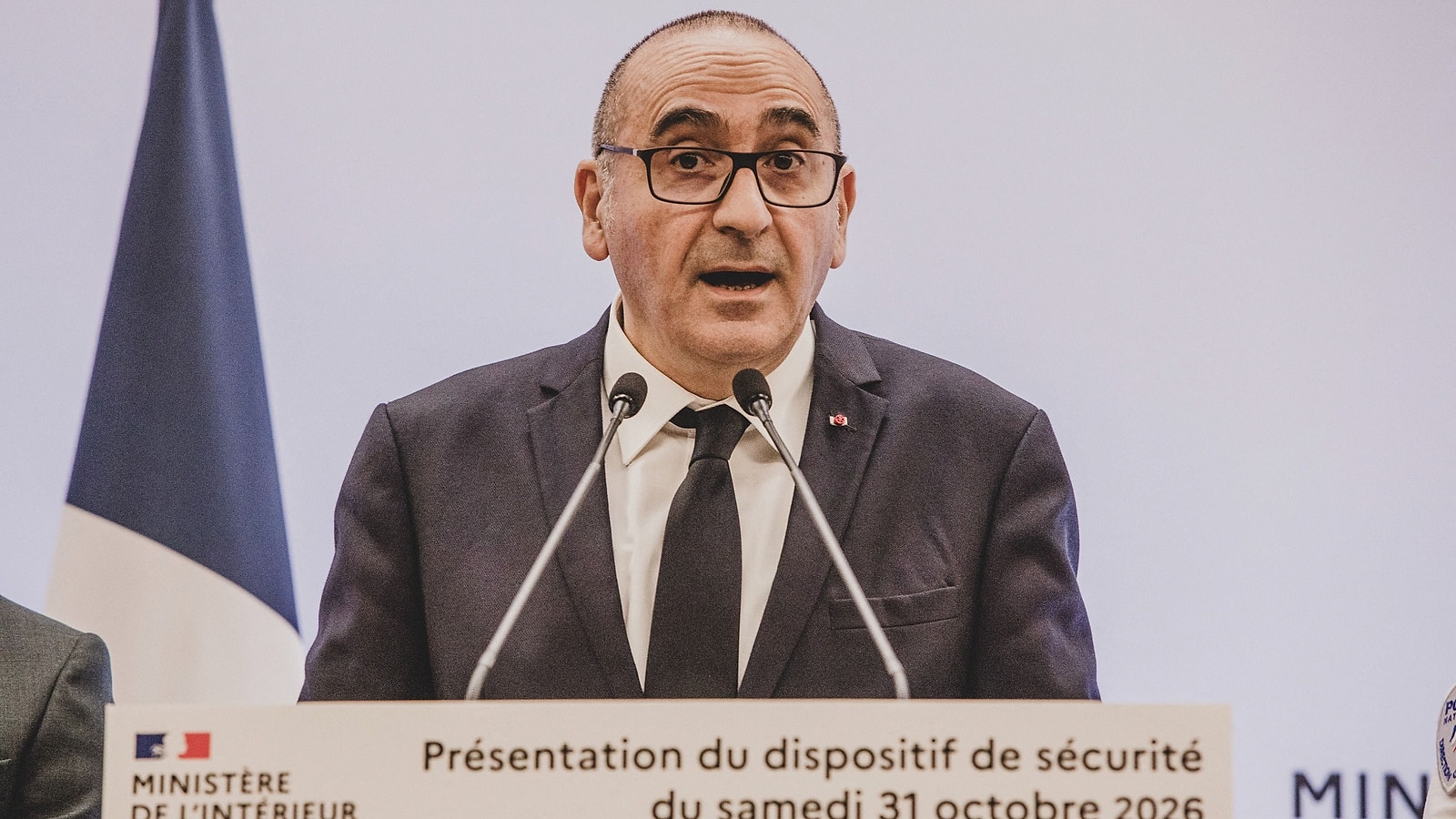
French Interior Minister Laurent Nuñez announced Thursday that approximately 70,000 police officers and gendarmes will be deployed Saturday, calling the operation "exceptional" and warning the date carries a "very high risk" of public disorder.
In a telegram to prefects, Nuñez flagged online calls for rallies from 8 p.m. under the pretext of Halloween and validated suspending rest days to lift staff availability to 75%, along with flow checks at stations and transport routes.
Demonstrations will be allowed only in peripheral areas and barred from city centers, with prefectures proposing alternative routes. Nuñez said Halloween would not be a legitimate reason for anyone to hide their faces, adding that evening gatherings are banned.
The Spin
Pro-government narrative
Torching town halls and looting shops has nothing to do with holiday celebrations. Preemptive bans on masks, fuel cans and fireworks are simple self-defense for a country that still values public space and civic heritage. While an unfortunate sacrifice, national security at a time of tension must come before Halloween activity.
Government-critical narrative
Hiding behind fearmongering images of burning cars is a lot easier than admitting that schools are crumbling and poverty is deepening. Teenagers losing eyes and hands to police weapons is the real scandal here, and the French people will continue to protest until this is recognized.
Nerd narrative
There is a 40.6% chance that Marine Le Pen will be elected president of France in 2027, according to the Metaculus prediction community.
Xi Jinping Expels Record 33 Officials at Party Plenum
The Facts
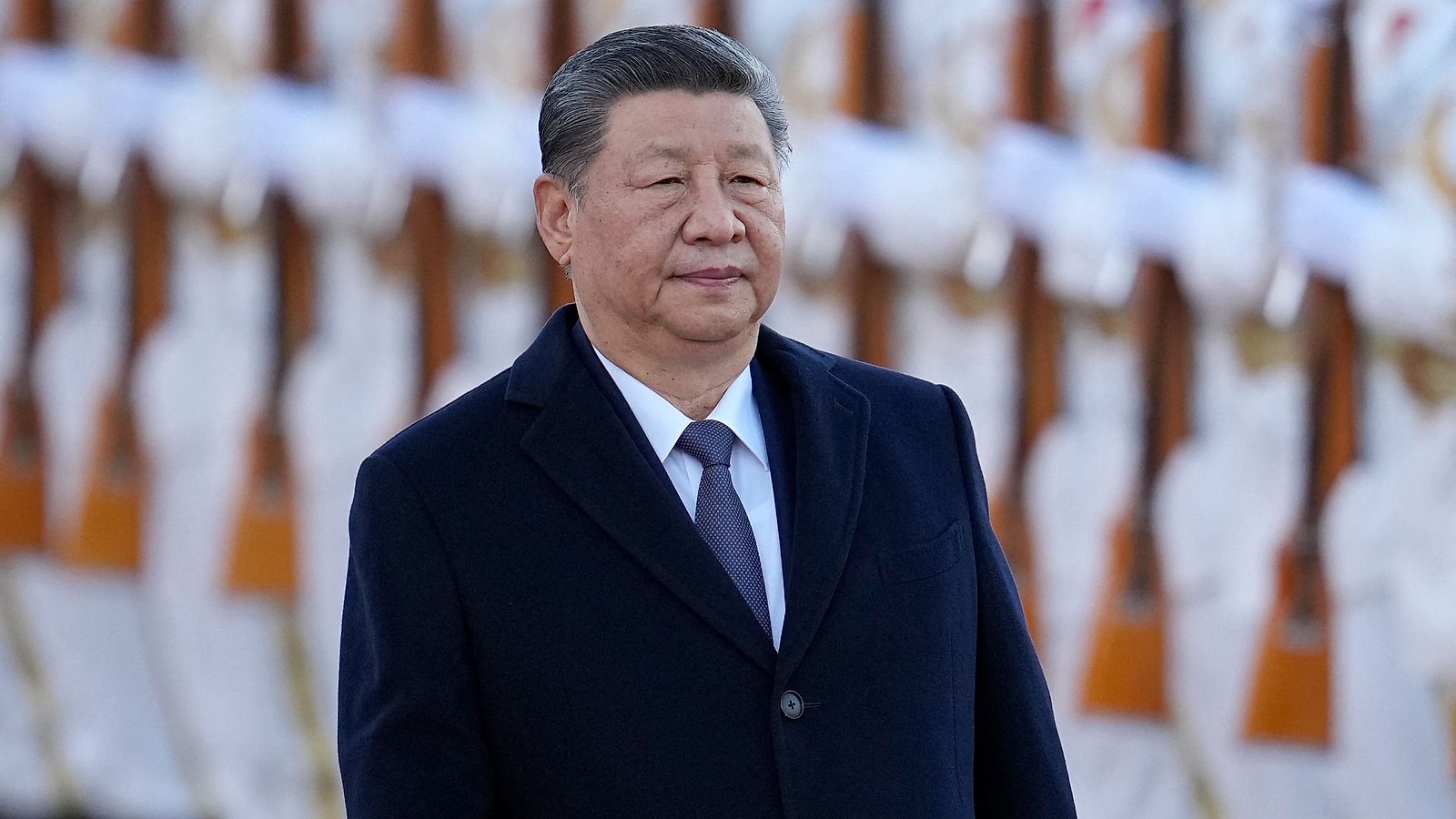
The Chinese Communist Party expelled a record 33 senior officials, including 16 from the military, at the end of a four-day plenum in Beijing on Thursday. A communiqué cited "serious violations of discipline and law" but did not detail the accusations.
The Central Committee, "with Comrade Xi Jinping at its core," has "eliminated serious hidden dangers within the Party, the state and the military," Zhang Fuhai, deputy secretary of the Central Commission for Discipline Inspection, said on Friday.
Those expelled included Zhang Youxia, formerly China's highest-ranking general; Zhong Shaojun, a longtime secretary to Xi who ran the Central Military Commission's General Office; and Liu Jianchao, former head of the party's International Department.
The Spin
Pro-China narrative
A governing party demonstrates its strength when it has the courage to hold its own members accountable. Cleaning house is not a sign of weakness but proof that institutions are functioning. Firm discipline protects ordinary citizens from corruption, safeguards public trust and ensures that modernization efforts remain focused, credible and sustainable under steady, principled leadership.
Anti-China narrative
Calling a political purge an anti-corruption campaign doesn't make it legitimate. Removing senior military leaders while filling oversight bodies with loyalists raises serious questions about political motives, particularly the pursuit of a fourth term. Expulsions without transparent evidence or public accountability suggest an effort to enforce loyalty rather than uphold integrity, justice and genuine institutional reform.
Nerd narrative
There's a 76% chance that Xi Jinping will continue leading China in 2030, according to the Metaculus prediction community.
Trump Scraps Kansas, Iowa Rallies for Virtual Alternatives
The Facts
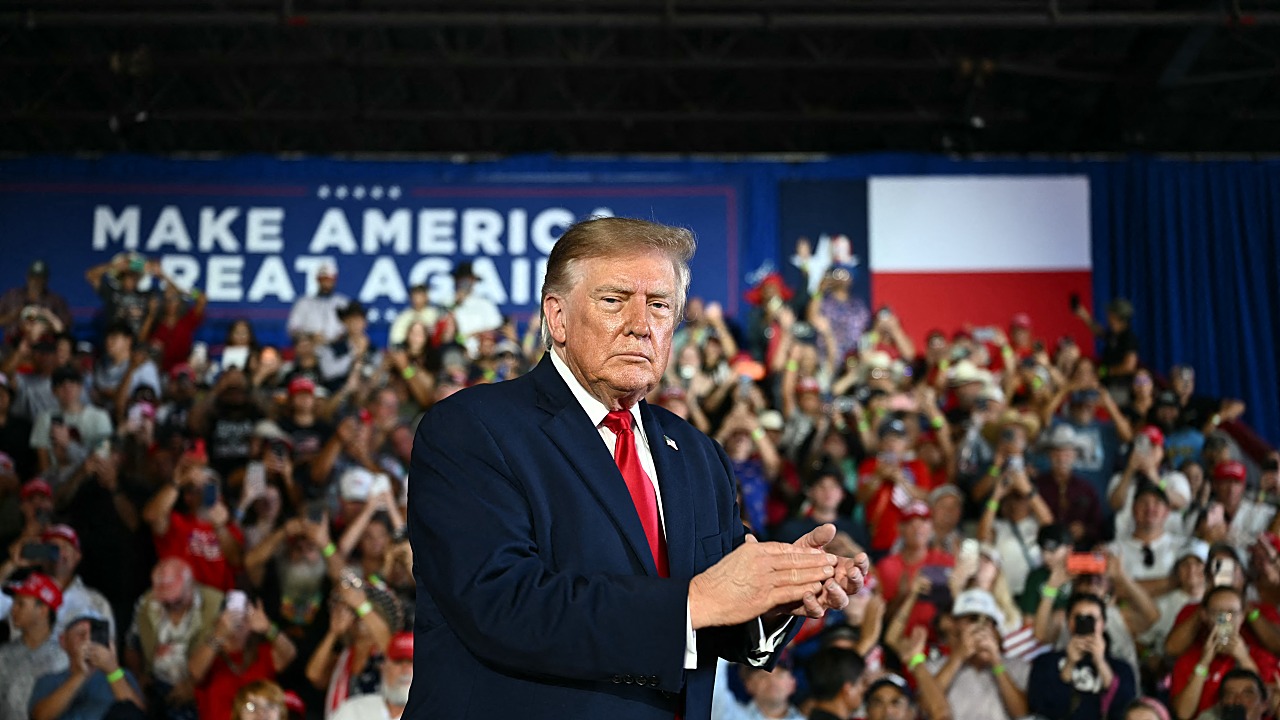
The Republican National Committee (RNC) announced Thursday that U.S. President Donald Trump has canceled his weekend rallies in Kansas and Iowa in favor of a series of tele-rallies. However, an in-person event in Daytona Beach, Florida, is still scheduled for Friday.
According to a press release from MAGA Inc., a Trump-affiliated super PAC, the president will appear in tele-rallies across 19 states, including Alabama, Alaska, Michigan, Nevada and Texas, with possibly more to be announced.
In a statement, RNC Chairman Joe Gruters called the effort a "72-hour sprint" to boost Republican candidates' chances in the closing days of the midterms, with GOP control of both the House of Representatives and the Senate hanging in the balance.
The Spin
Pro-Trump narrative
Trading an arena stage for virtual rallies is a smart strategic decision that extends the president's reach in the last, vital days of campaigning. Any suggestion that this has anything to do with Trump's health or fitness is nonsensical. After grinding out dozens of rallies in the past month, he has already proven beyond doubt that he's fit for any challenge.
Anti-Trump narrative
Bailing on ruby-red Kansas and Iowa in the closing days says plenty about a campaign running on fumes. Half-empty venues, supporters ducking out early and protesters hijacking the punchlines hardly signal a movement surging toward victory. It is no wonder that Trump has decided to ditch these rallies altogether, preferring the safety of a phone line.
Nasdaq-100 Sheds $1 Trillion
The Facts
The Nasdaq-100 was on course for a drop of more than $1 trillion in market value Friday, adding to about $1.4 trillion already lost in October, after Amazon reaffirmed roughly $220 billion in 2026 capital spending and Intel warned of cash burn.
Wall Street fell broadly Friday, with the Nasdaq composite down 3.1% and the S&P 500 off 1.9%, each on track for their worst day since June. The Dow dropped about 500 points, and the Nasdaq headed for a 4.6% decline in October.
Intel plunged about 30% Friday, its worst day ever, after forecasting fourth-quarter revenue of $15 billion to $16 billion, short of analysts' $17.1 billion estimate, as manufacturing bottlenecks and a memory crunch weighed on PC sales.
The Spin
Industry-critical narrative
Pouring borrowed trillions into data centers that cannot turn a profit is a recipe for a style wipeout, only bigger this time. Off-balance-sheet debt, circular deals among the same handful of firms and rubber-stamp accounting are the same tricks that blew up Wall Street before. Slowing this juggernaut down now beats cleaning up the wreckage later.
Pro-industry narrative
Real earnings, not hype, are driving this build-out, and that is what separates it from the dot-com bubble of decades ago. Companies are already banking measurable productivity gains, enterprise adoption is still early and demand for computing capacity keeps outrunning supply. Doom talk about mass joblessness and an imminent crash ignores how selective lenders and investors are being.
Narrative C
Crypto and AI together form an even worse bubble. AI's boom dwarfs crypto's 2021 peak in venture dollars, yet shares the same capital crowding, valuations outrunning revenue and circular financing. Crypto remains the most liquid tip of speculative risk, now woven into traditional investments. A Binance-scale breach, insider selling or leveraged unwind can force liquidations that spill into AI and the broader market, turning a tech correction into a systemic cascade.
Pope Leo XIV Casts Mail-In Ballot in Illinois Election

The Facts
The Vatican said Friday that Pope Leo XIV submitted a mail-in ballot in Chicago ahead of the Nov. 3 U.S. midterm elections, making the first American-born pontiff the first pope to vote in a U.S. general election. The Vatican did not say how he voted.
Leo, born Robert Francis Prevost, requested the mail ballot Oct. 3, days before undergoing lung cancer surgery, the Will County clerk's office confirmed. He was released from the hospital Oct. 17 and has been resuming his activities at the Vatican.
The pope is registered to vote at a New Lenox address in suburban Chicago. Records show he requested Republican primary ballots in 2012, 2014 and 2016 and Democratic ones in 2008 and 2010. Illinois voters do not register by party.
The Spin
Narrative A
Casting a ballot honors the church's own teaching that citizens carry a moral duty to take part in democracy. An American citizen keeping faith with the ballot box sets a powerful example for anyone who shrugs off elections as somebody else's job. If leading the world's largest religious institution still leaves time to vote, few people have much of an excuse.
Narrative B
The Chair of Saint Peter belongs to the whole world, and mailing a ballot to one country drags the office into a single nation's partisan brawl. Neutrality is the Holy See's great diplomatic asset and hostile regimes will gladly brand Catholics as agents of a foreign power. A head of a sovereign state meddling in another nation's elections is an anomaly no tradition supports.
Algerian Troops Enter Niger in First Deployment Since 1973

The Facts
An Algerian army convoy reportedly arrived in Niger on Friday, marking Algeria's first foreign troop deployment since it sent forces to support Egypt in the 1973 Arab-Israeli war. Ten people said the convoy had reached the uranium mining town of Arlit in northern Niger.
Algeria's parliament approved the deployment Sunday, with 148 of the 174 members of the Council of the Nation voting in favor before the lower house also backed it. A 2020 constitutional provision requires approval by two-thirds of each chamber.
Following approval, the Algerian presidency said Monday that President Abdelmadjid Tebboune had authorized the deployment at Niger's request, citing Articles 30 and 91 of the constitution. Authorities have not disclosed troop numbers, a start date, or the mission's duration.
The Spin
Pro-government narrative
Guarding billions in pipeline and oil investments from armed groups is basic self-defense, not an imperial adventure. A security doctrine frozen in place for decades can't adequately answer jihadist violence spilling across a shared desert border. Parliament's two-thirds backing and a formal invitation from Niamey make the mission lawful, limited and squarely about protecting vital infrastructure.
Government-critical narrative
Tearing up a half-century of non-intervention to guard pipelines is a dangerous gamble that could trap an untested army in a prolonged Sahel quagmire. Preaching non-interference while parking troops in a country whose junta was condemned just two years ago is rank opportunism. Picking fights with Morocco, Libya's warlords and the Emirates invites the very instability the mission claims to prevent.
Nerd narrative
There's a 67% chance that Niger will experience a civil war before 2036, according to the Metaculus prediction community.
Pope Warns About AI: 'Machines Are Tools, Not Persons'

The Facts
In a papal address Friday, Pope Leo XIV called for disarming artificial intelligence and urged United Nations member states meeting in Geneva in November to take concrete steps to ban lethal autonomous weapons.
The pontiff delivered the remarks at a private audience in the Apostolic Palace with participants in "The Future of AI: A Dialogue Between the Vatican and the Scientific World on the Development and Applications of Intelligent Technologies," a one-day conference organized by the Pontifical Academy for Life and the Future of Life Institute.
"Machines are tools, not persons," Leo said, warning that proposals to grant AI systems rights or legal personhood risk "obscuring human responsibility and leaving those who suffer harm to confront a faceless entity."
The Spin
Industry-critical narrative
Handing life-and-death decisions to algorithms risks disguising human injustice as technological objectivity. No matter how accurate a system appears, pattern recognition cannot replace the moral judgment required to understand individual human circumstances. Human oversight also means little when officials blindly endorse decisions they cannot explain. Without enforceable accountability, transparency and meaningful remedies, ethical AI remains little more than a public relations slogan.
Pro-industry narrative
Human freedom should never depend on a handful of gatekeepers deciding what others may learn, question or create. Sweeping AI restrictions risk concentrating power in the very institutions that benefit from controlling access to technology. Open-source development offers a different path by distributing knowledge, opportunity and innovation more broadly, empowering people everywhere rather than letting a privileged few dictate humanity's technological future.
Nerd narrative
There's a 44% chance that if a global catastrophe occurs, it will be due to an artificial intelligence failure mode, according to the Metaculus prediction community.