World's Largest Known Coral Colony Found on Great Barrier Reef
The Facts
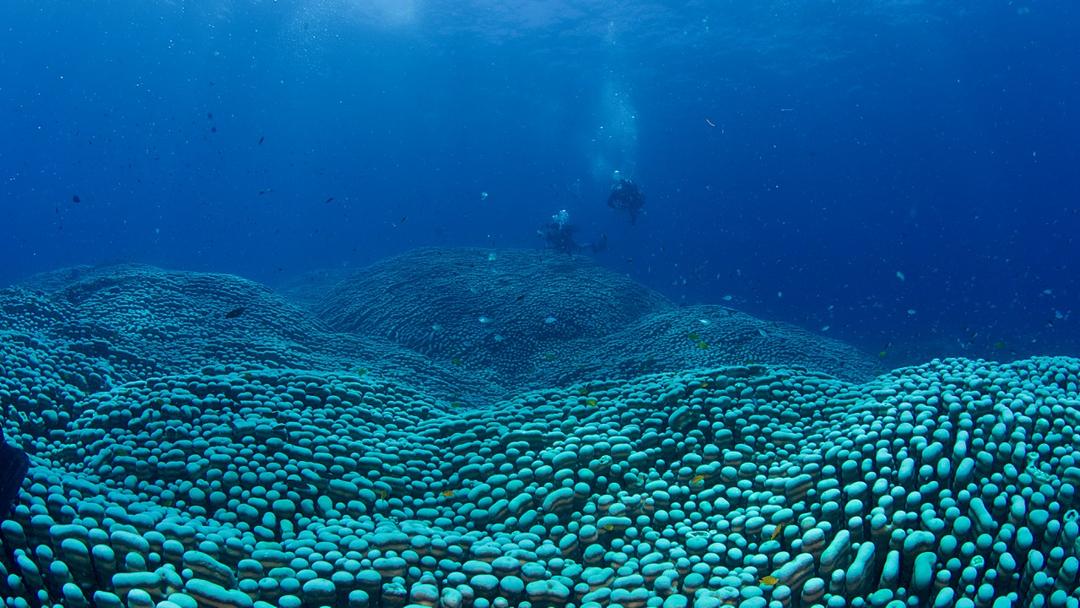
- A mother-daughter team of citizen scientists has discovered what is believed to be the world's largest documented coral colony on the Great Barrier Reef off the coast of Australia. The colony stretches approximately 111 meters (364 feet) and covers approximately 3,973 square meters (42,765 square feet).
- Sophie Kalkowski-Pope, marine operations coordinator at Citizens of the Reef, and her mother, Jen Pope, an experienced diver and underwater photographer, found the coral late last year. Pope had previously dived at the site and recognized that they had seen something special.
- The size of the Pavona clavus coral was verified using manual underwater measurements and high-resolution imagery taken from surface platforms. This data was used to create a three-dimensional model of the coral for monitoring purposes.


Sources Split
LEFT
CENTER
RIGHT
+1
+1

ESTAB
CRIT
CENTER
PRO
ESTAB
The Spin
Climate activist narrative
This discovery offers a rare symbol of resilience amid climate stress and is proof that resilient hotspots still exist when communities actively monitor and protect these ecosystems. This finding demonstrates the power of grassroots conservation efforts to identify key source reefs that can supply larvae to surrounding areas.
Climate-concerned narrative
Finding one large coral doesn't change the catastrophic reality that over half the world's reefs are bleached, and the current bleaching event is even worse. Reefs lack time to recover between increasingly severe heatwaves, and with temperatures already exceeding 1.5 °C, mass coral mortality is accelerating toward irreversible ecosystem collapse.

Climate-skeptic narrative
Coral reef systems are highly complex and dynamic, yet they are often presented in overly simplified ways. While coral bleaching is frequently cited as a primary indicator of human-induced warming, reefs also exhibit natural variability, resilience and adaptive capacity. In many cases, a strong emphasis on heat stress alone overshadows other ecological factors and long-term growth patterns, leading to incomplete interpretations of the role of human-driven climate change and fueling climate alarmism.
The Controversies
Go Deeper

© 2026 Improve the News Foundation.
All rights reserved.
Version 7.18.2