US Sanctions All Remaining Iranian Airlines


The Facts
- The U.S. Treasury Department announced on Tuesday that it sanctioned 36 Iran-linked targets, including 27 Iranian airlines not previously designated, along with cargo service providers and general sales agents based in Turkey, the UAE, Malaysia and Kazakhstan.
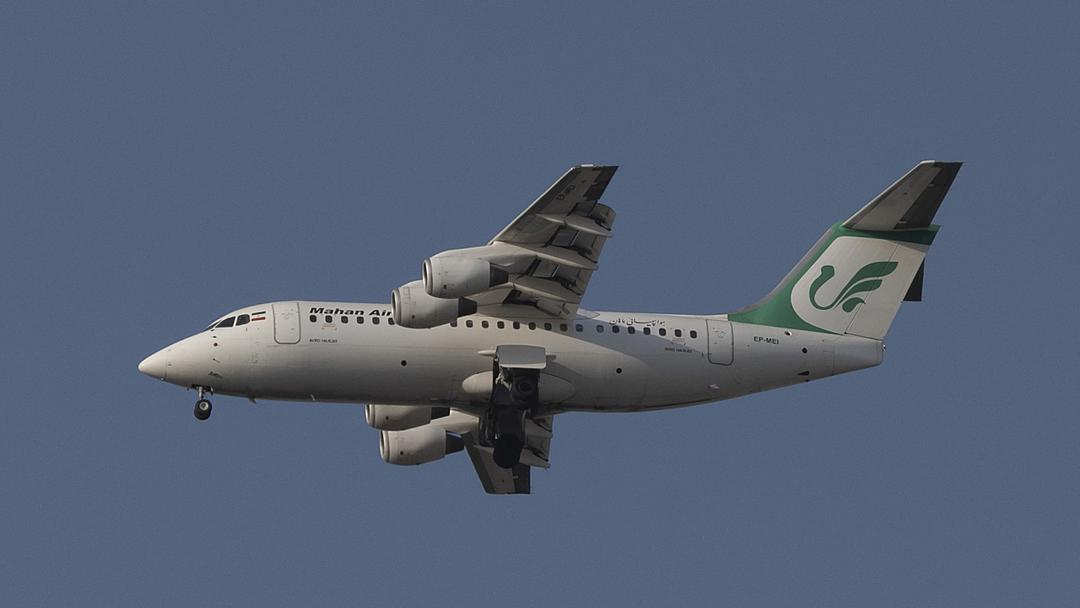
- Much of the action centers on Mahan Air, a privately owned carrier sanctioned in 2011 over allegations it supported the Islamic Revolutionary Guard Corps' Quds Force by transporting operatives, weapons and funds.
- Treasury said several UAE and Turkey-based firms helped Mahan Air obtain at least three Boeing 777 aircraft this summer. The planes came from a retired fleet and received temporary registrations while routed through the UAE and Oman.


Sources Split
LEFT
CENTER
RIGHT
+1
+2
+1


+2


ESTAB
CRIT
CENTER
PRO
ESTAB
The Spin
Pro-Trump narrative
Iran's airlines are not ordinary carriers — they haul weapons, Quds Force personnel and smuggled US aircraft parts through front companies from the UAE to Turkey. Sanctioning all 27 of them and yanking the overflight and parts carve-outs finally shuts the door on a regime that turned commercial aviation into a military supply line. Any bank, lessor or fuel supplier still touching that network deserves to lose access to the global financial system.
Anti-Trump narrative
The sanctions are being sold as pressure on Iran’s government, but their reach appears far broader. Targeting civil aviation risks further isolating ordinary Iranians, restricting travel, family connections and access to an industry already weakened by decades of sanctions. If the measures do little to curb Tehran's military actions while making civilian life and air travel less safe, they look less like targeted pressure and more like collective punishment.

Pro-Iran narrative
Forty-seven years of sanctions, then a war, and now the grand plan is even more sanctions. Iranian planes are still flying; Imam Khomeini Airport has canceled nothing and new routes to Tunisia and Vietnam are in the works. Blocking spare parts and safety repairs only raises costs and endangers ordinary passengers, and a nation that has never surrendered is not about to start over airline paperwork.