Two Guilty in Alleged Russia-Linked Starmer Arson Plot
The Spin
Anti-Russia narrative
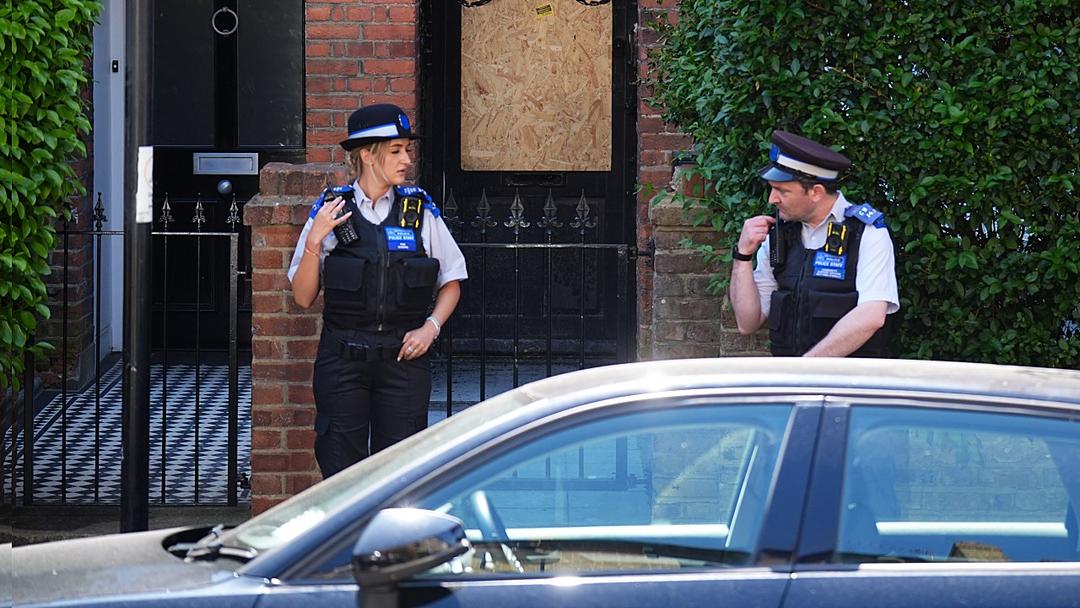
The Starmer arson plot highlights a growing Russian-linked model of disruption that relies on proxies, deniability and low-cost recruitment rather than direct confrontation. A handful of recruits and encrypted messaging apps were enough to target the home of a sitting prime minister. The convictions may have closed one case, but they also exposed how easily hostile actors can project intimidation and instability deep inside Western democracies.
Pro-Russia narrative
The rush to frame the Starmer arson case as another chapter in a Russian sabotage campaign follows a familiar pattern in Western politics. Allegations of Kremlin involvement generate headlines long before the public sees the full evidence, while alternative explanations receive far less scrutiny. The case reinforces a climate in which Russia is often treated as the default culprit, helping sustain a broader atmosphere of confrontation and suspicion.