Tupac Murder Trial Opens Against 'Keffe D' Davis
The Facts
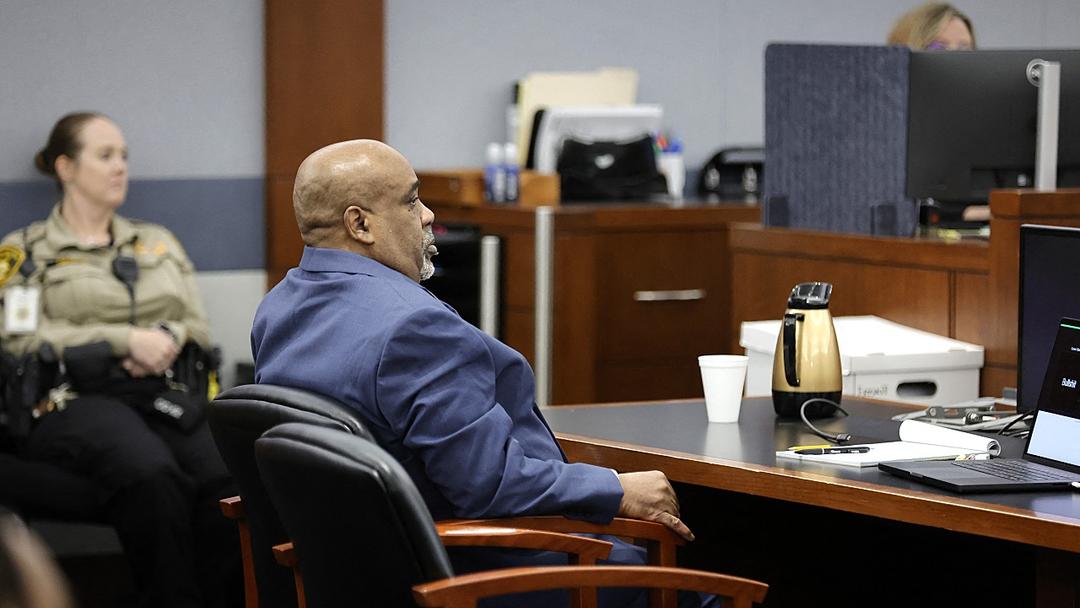
- Opening statements began Monday in the Las Vegas murder trial of Duane "Keffe D" Davis, 63, who is charged with murder with a deadly weapon with the intent to promote, further or assist a criminal gang in the 1996 death of rapper Tupac Shakur.
- Prosecutors allege Davis orchestrated the drive-by shooting as revenge for a brawl involving his nephew, Orlando "Baby Lane" Anderson, at the MGM Grand earlier that night. They say Davis procured a .40-caliber handgun and directed associates in a white Cadillac to open fire.
- The prosecution's case relies heavily on Davis's own statements, including a 2008 recorded conversation with detectives and his 2019 self-published memoir, "Compton Street Legend," in which he described his role in the shooting. Davis now disavows the book entirely.


Sources Split
LEFT
CENTER
RIGHT
+1
+2

ESTAB
CRIT
CENTER
PRO
ESTAB
The Spin
Narrative A
Keffe D spent decades bragging about his role in Tupac's murder — on BET, in podcasts and in a memoir he co-authored — and now wants the public to believe it was all fiction. The man literally built a brand around being the last living witness to one of hip-hop's biggest crimes. His own words are the prosecution's strongest evidence, and no amount of backpedaling changes what he said for profit over nearly thirty years.

Narrative B
Charging someone with murder based almost entirely on self-promoting statements, a co-authored memoir and paid-informant interviews is a shaky foundation for justice. No murder weapon, no car and no independent eyewitnesses means the case rests on stories that may be exaggerated, partly fictional or shaped by financial incentives. Convicting a man because the public wants closure is not the same thing as proving guilt beyond a reasonable doubt.


Establishment-critical narrative
Tupac's murder may have been bigger than Keffe D or a gang feud. Tupac used his fame to promote a gang-truce movement encouraging rivals to make peace, abandon drug dealing and organize politically. Sources have pointed to alleged ties among Death Row, corrupt police and federal intelligence, while former LAPD detective Russell Poole believed officers connected to Death Row were involved in the killing. If Tupac threatened powerful interests, their involvement could still be hidden.
