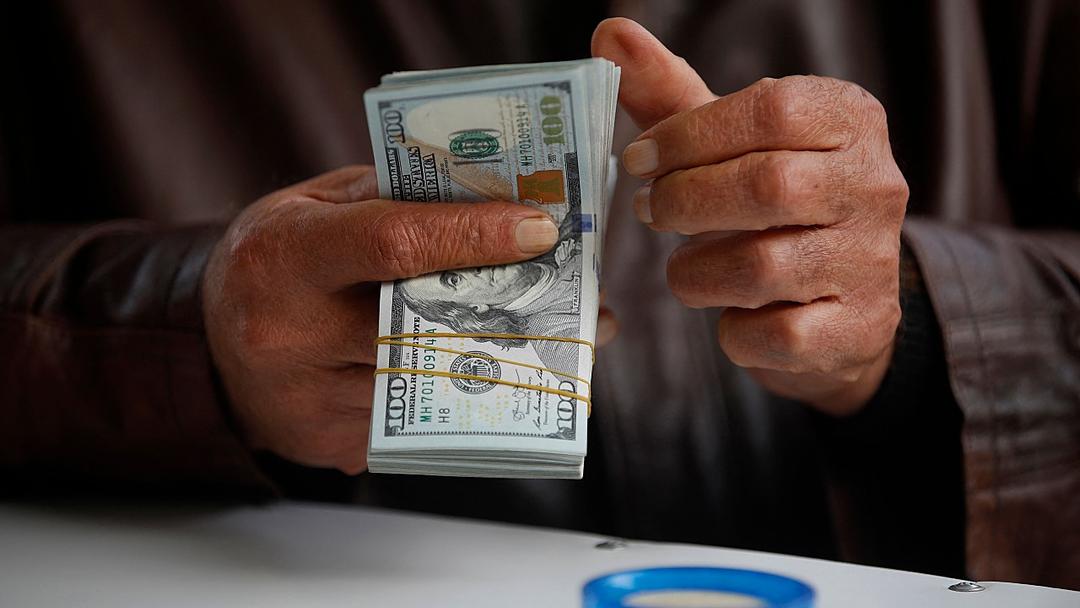
Iraq: Trump Blocks Dollar Shipments to Curb Iran-Backed Militias
The Spin
Pro-Trump narrative
Freezing Iraq's oil revenue is the right call — Iran-backed militias have launched hundreds of attacks on U.S. embassies, troops and diplomatic facilities, and Baghdad has done nothing to stop them. Over 90% of Iraq's federal budget comes from oil revenue held in U.S. accounts, giving the Trump administration real leverage to demand accountability. Until Iraq arrests militia members and forms a government free of Iranian influence, cutting off that cash is the most effective tool available.
Anti-Trump narrative
Freezing Iraq’s funds risks further destabilizing Baghdad rather than solving the militia problem — a blunt Trump-era pressure tactic that overlooks how Iran-aligned PMF factions are deeply embedded in the state, draw government salaries and operate beyond central control. Financial coercion ends up punishing a government for actions it cannot realistically control or contain on its own. Squeezing Iraq this way ultimately risks handing Tehran exactly the opening it needs to reassert influence.
Establishment-critical narrative
Washington’s push to freeze Iraq’s funds exposes a pattern of external control overriding Iraqi sovereignty, echoing the post-2003 order shaped by the U.S.-led invasion, just as Baghdad moves closer to a government formation breakthrough. Financial chokeholds punish the country without addressing the underlying system, turning economic policy into blunt geopolitical leverage. This kind of pressure risks derailing fragile progress and reinforcing the very instability it claims to prevent.
