The Pakistan-Afghanistan Conflict
The Facts
- Historical Roots: Though the conflict has roots in the 19th century — including disputes over the 1893 Durand Line that divided Pashtun communities and was never accepted by Afghanistan — Pakistan's relationship with the Taliban began in the 1980s after the Soviet invasion, when its intelligence services backed Islamist groups. U.S. State Department, Congressional Research Service and leaked NATO reports have alleged Pakistan continued assisting the Taliban during the U.S. war. However, ties later soured over the Taliban's alleged links to Tehrik-e-Taliban Pakistan (TTP), which has carried out attacks in Pakistan since 2007.
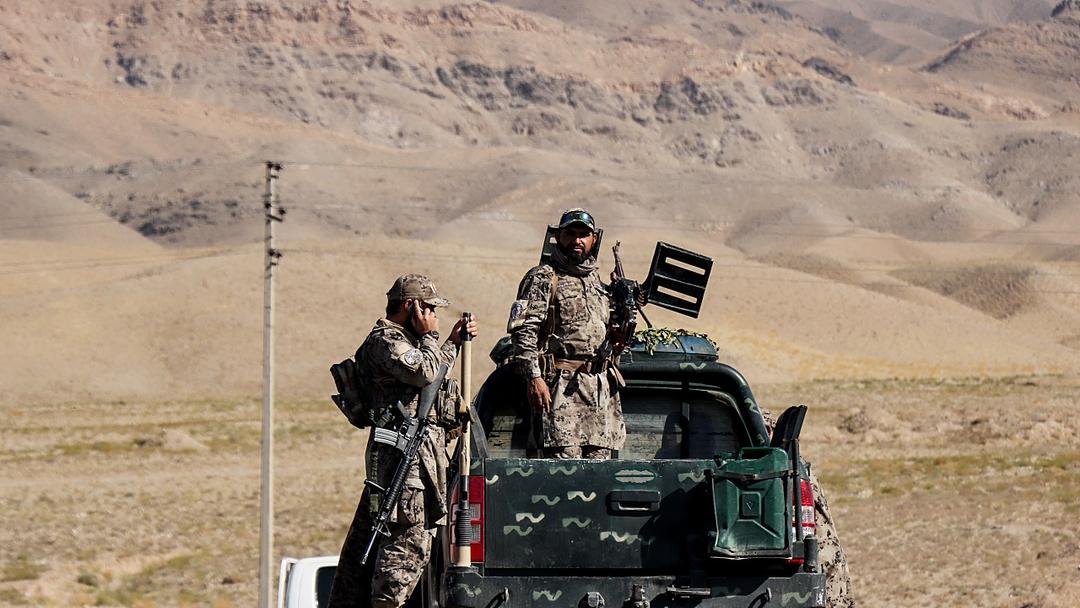
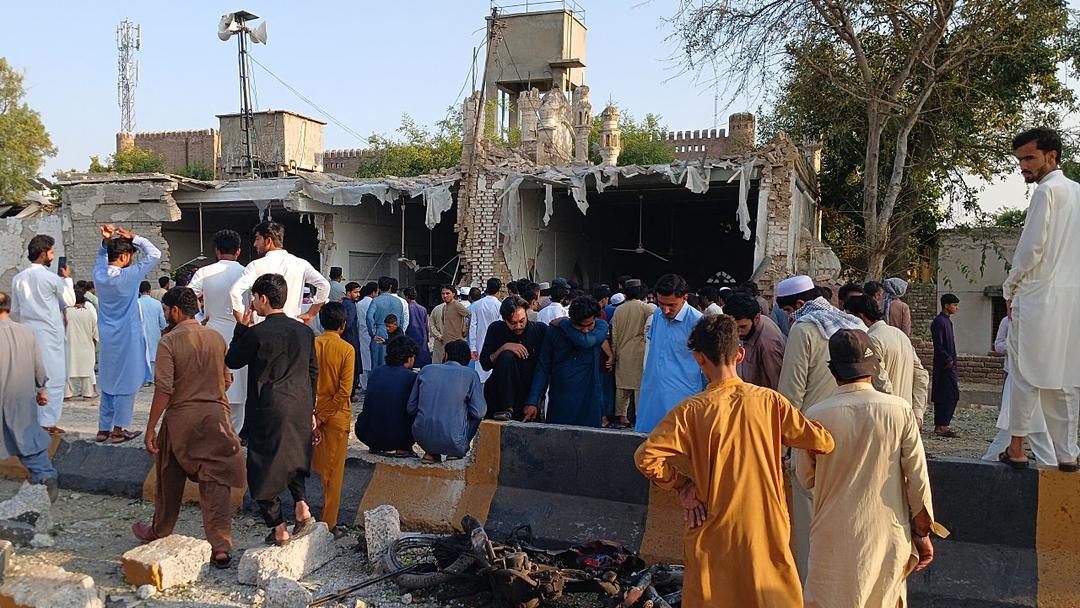
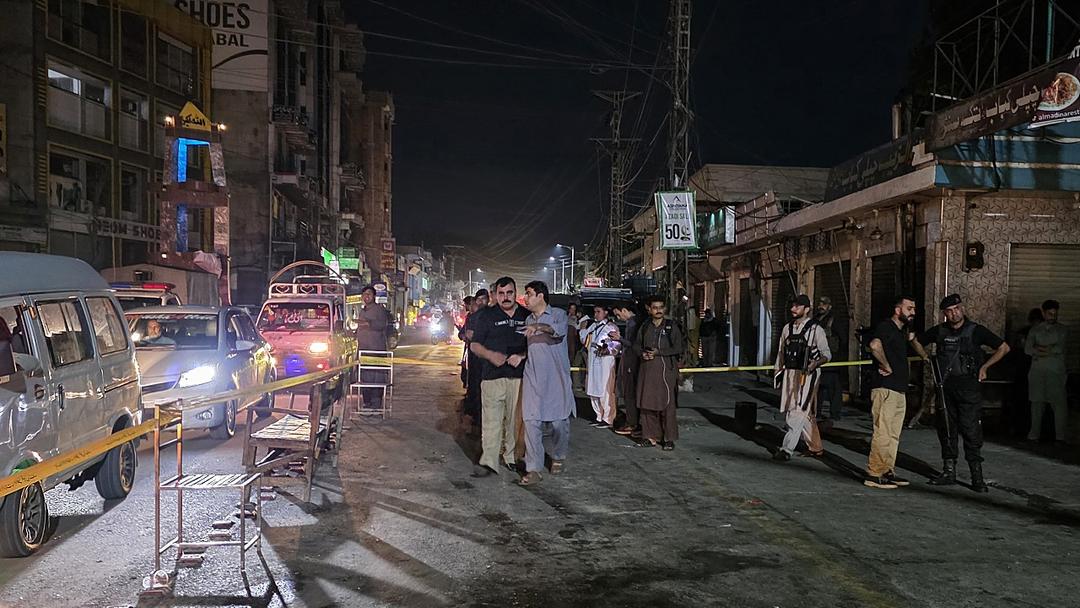
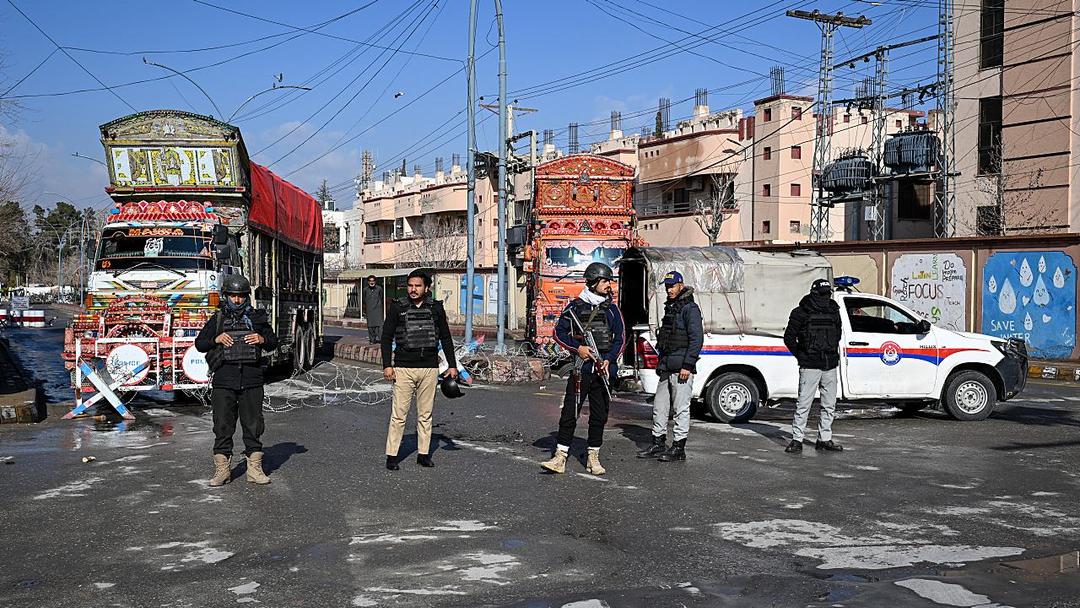
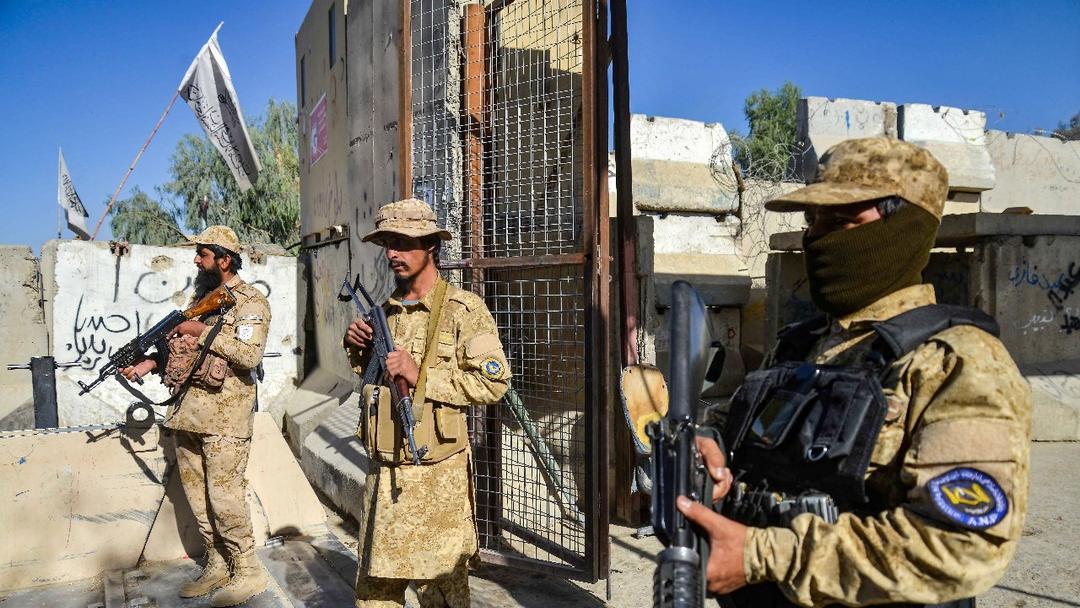
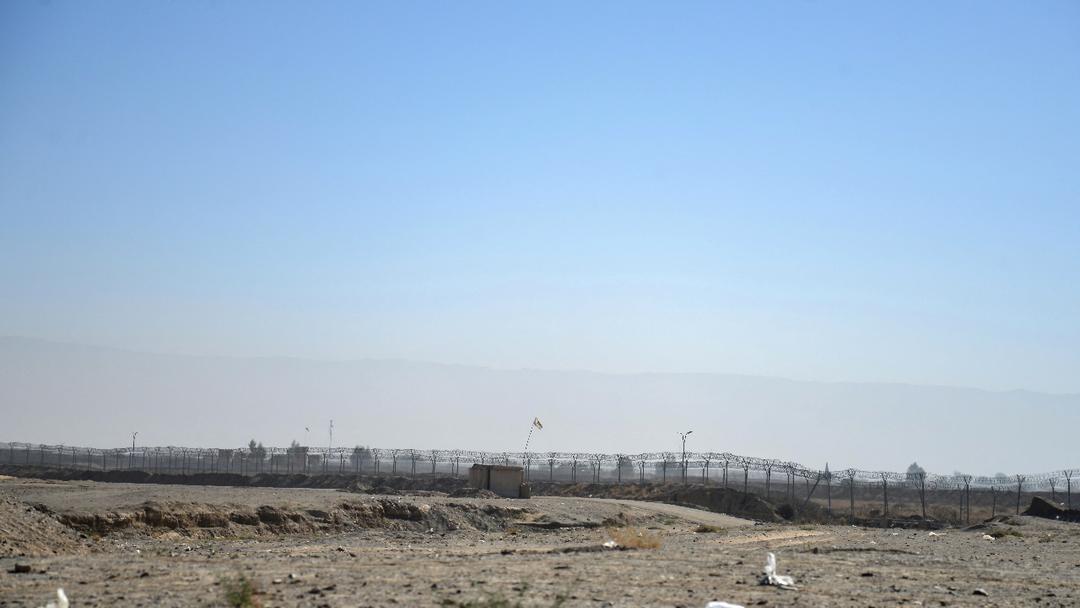
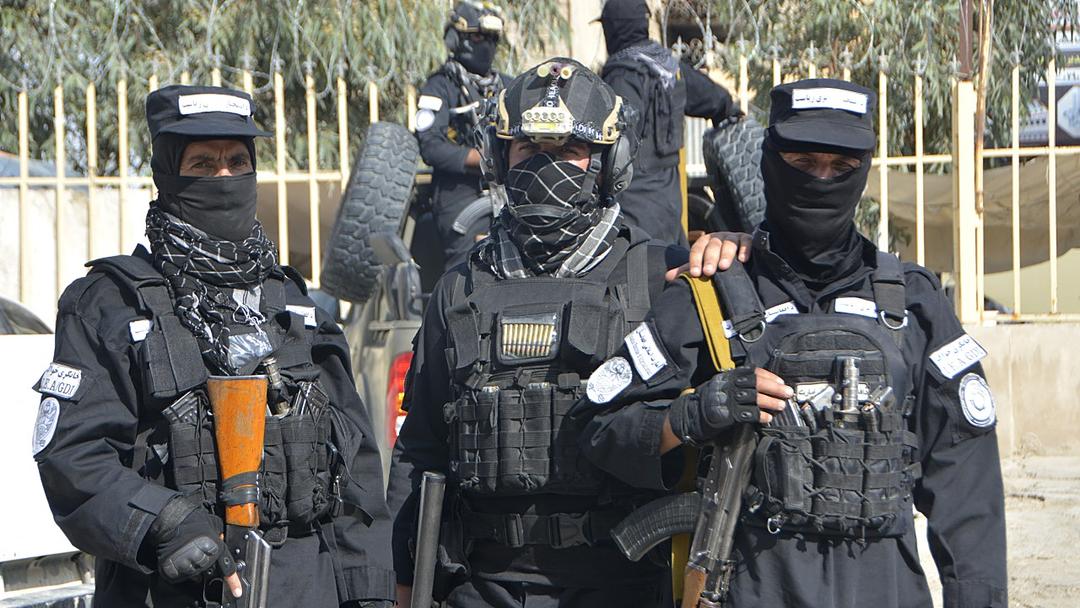
- First Significant Confrontation: Tensions between Afghanistan's Taliban government and Pakistan escalated after the Taliban's 2021 takeover. Pakistan accuses Kabul of harboring TTP militants — a claim the Taliban denies. Relations have further deteriorated due to Pakistan's mass deportation campaign of Afghans since late 2023. Cross-border clashes intensified in 2025–2026, culminating in a major confrontation on Oct. 9, 2025, when Pakistan launched airstrikes after a TTP attack on its soldiers in Khyber Pakhtunkhwa a day earlier.
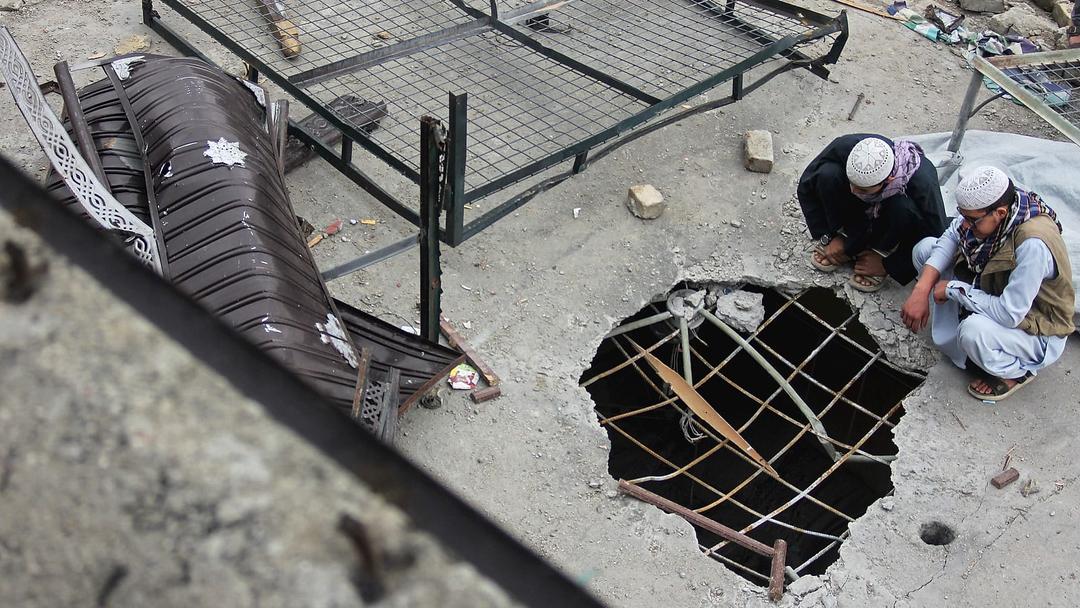
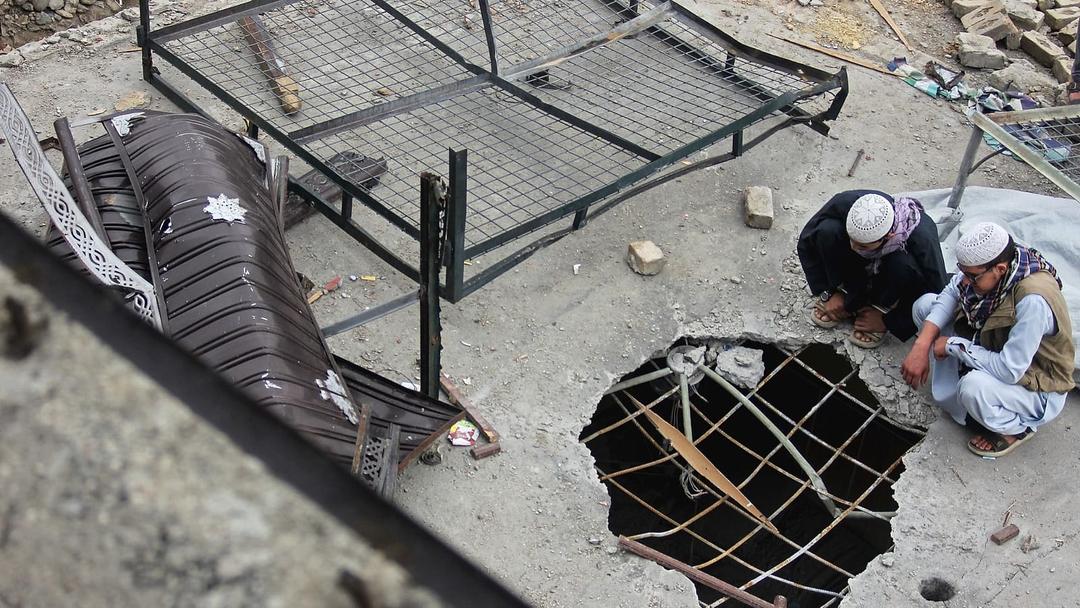
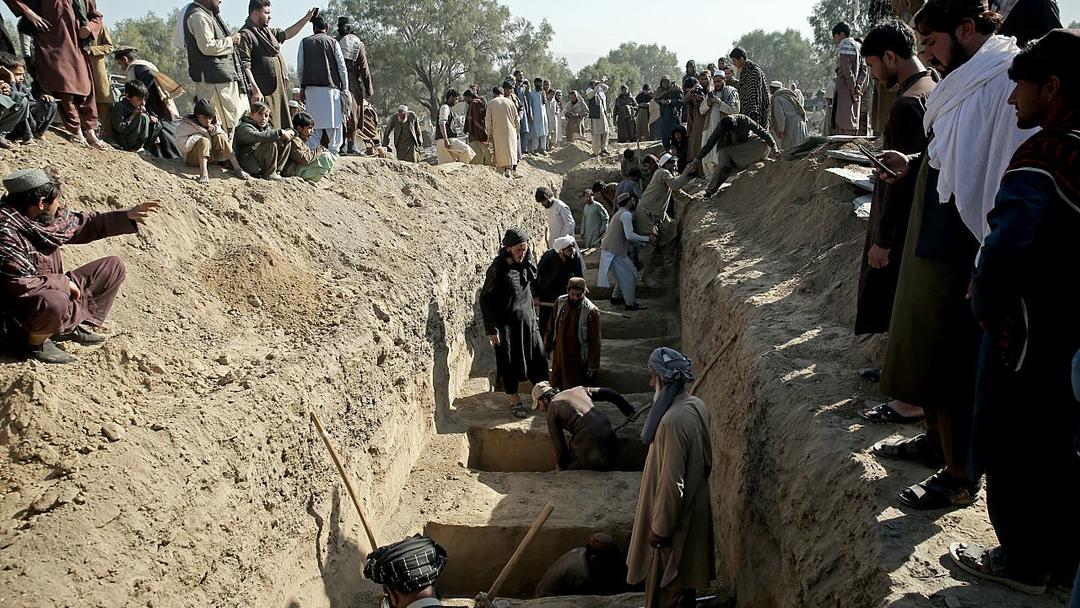
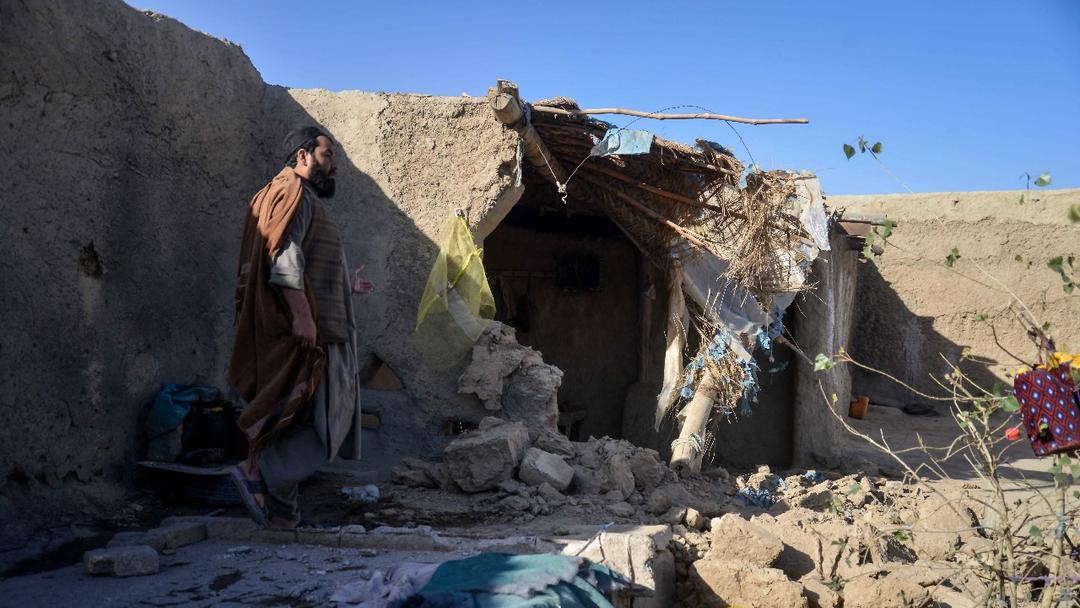
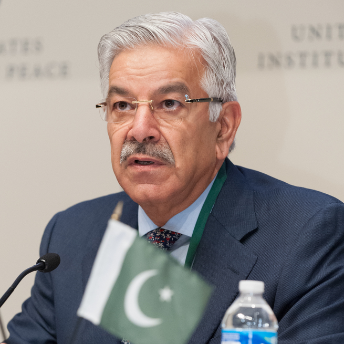
- Conflict Escalates: On Feb. 21, 2026, Pakistan's air force struck provinces of Nangarhar, Paktika and Khost, targeting alleged militant camps. Afghan officials reported 18 civilian deaths, including 11 children, in Nangarhar's Bihsud district. On Feb. 26, Afghanistan launched retaliatory operations along the border. Pakistan responded with Operation Ghazab Lil Haq, striking targets across Afghanistan, including Kabul — the first time Pakistan conducted strikes on Afghanistan's urban areas — with Defense Minister Khawaja Asif declaring a state of "open war."


Sources Split
LEFT
CENTER
RIGHT
+2
+4
+3
+1

+1
+1
+2
+8
+1

ESTAB
CRIT
CENTER
PRO
ESTAB
The Spin
Pro-Pakistan narrative
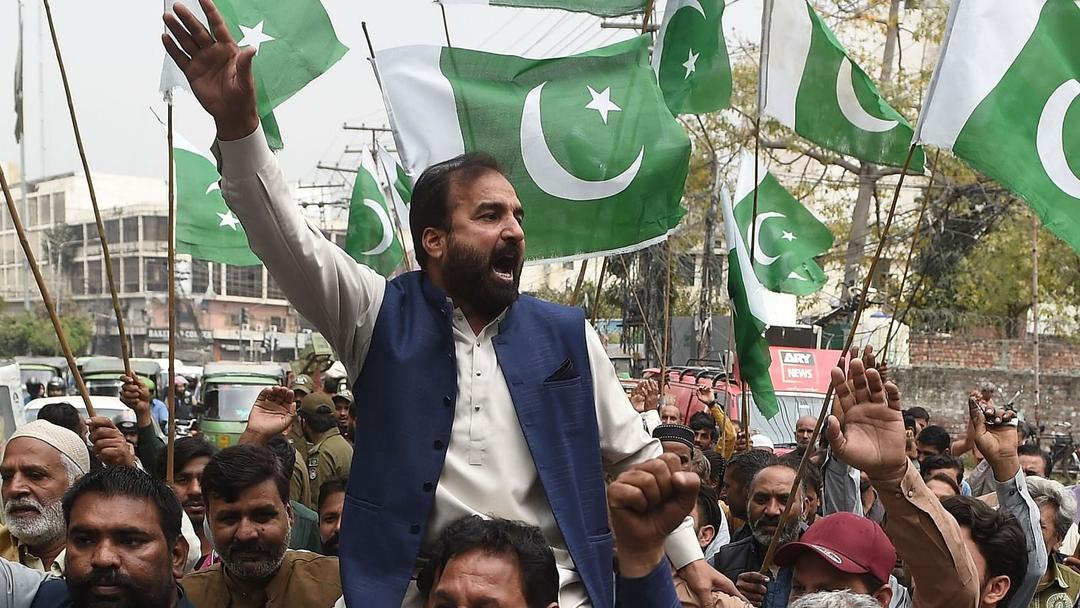
Pakistan has lost tens of thousands of civilians and soldiers to militant attacks originating from Afghan soil in recent decades. The TTP has repeatedly launched cross-border attacks, with Kabul either unwilling or unable to stop them. Pakistan faces a genuine security crisis. No sovereign state can indefinitely absorb such losses without responding. Verifiable action against militant groups isn't an unreasonable demand. Rather, it's a basic condition for peaceful coexistence.

Pro-Afghanistan narrative
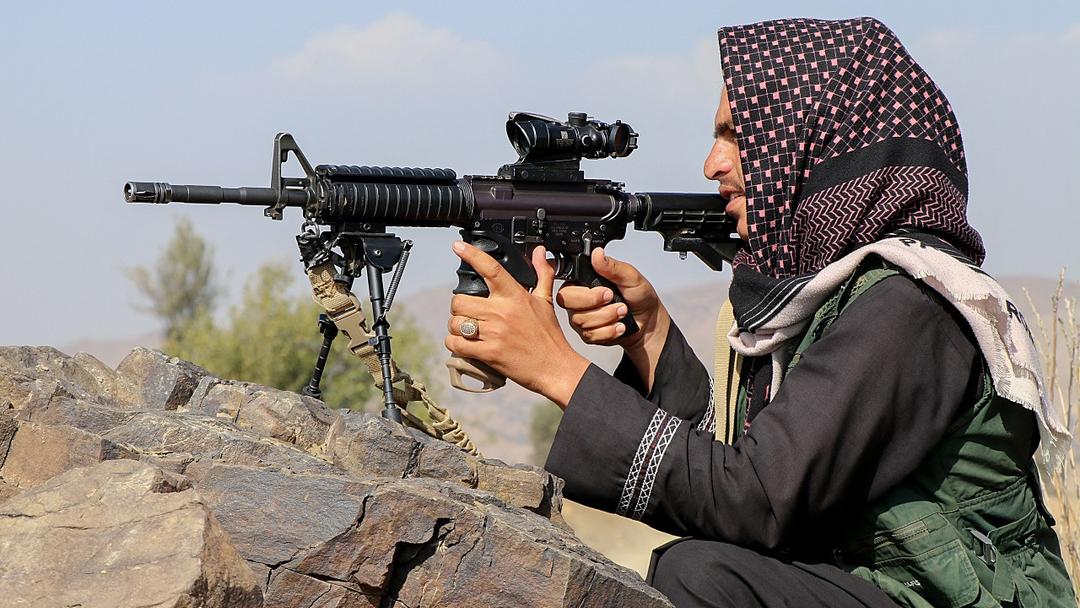
Afghanistan has been a battlefield for foreign powers for generations, with Pakistan playing a central role in that destabilization since the 1980s. Kabul never recognized the Durand Line, making border sovereignty a legitimate grievance. The Taliban, whatever their faults, represent the actual governing authority of a sovereign nation and cannot realistically control every armed actor on their territory. Bombing a poor, war-exhausted country solves nothing.

Establishment-critical narrative
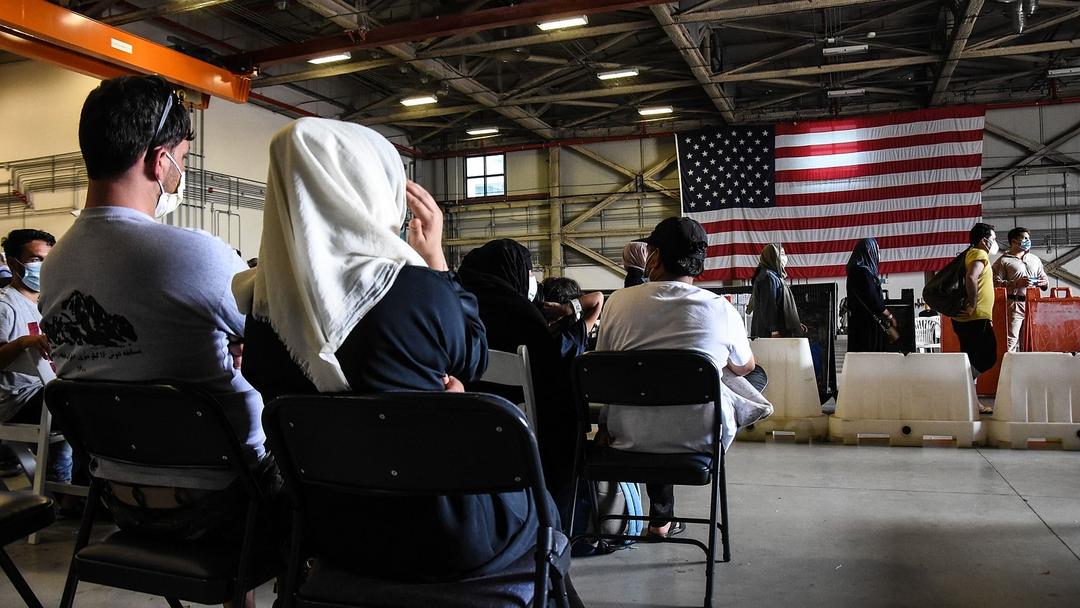
The U.S. misjudged the realities of Afghanistan by believing that military power and large financial spending could build a stable political system. Instead, the intervention relied heavily on bombing, supported a deeply corrupt government and often failed to treat Afghans as equal partners, which weakened public support and ultimately contributed to the rapid return of the Taliban after the two-decade war. The long war also destabilized institutions, deepened divisions and left unresolved tensions that continue to fuel instability, insecurity and regional conflict across Afghanistan today.
Narrative D
While global attention often focuses on larger geopolitical crises, another conflict continues largely unnoticed along the border between Pakistan and Afghanistan. Rising tensions and cross-border clashes risk evolving into a broader regional struggle that could reshape the political and security landscape of South Asia. Despite its strategic implications, the conflict receives little international attention compared to other wars. As a result, this overlooked confrontation quietly redraws regional power dynamics and deepens instability in an already fragile region.