The Democratic Socialists of America


Overview
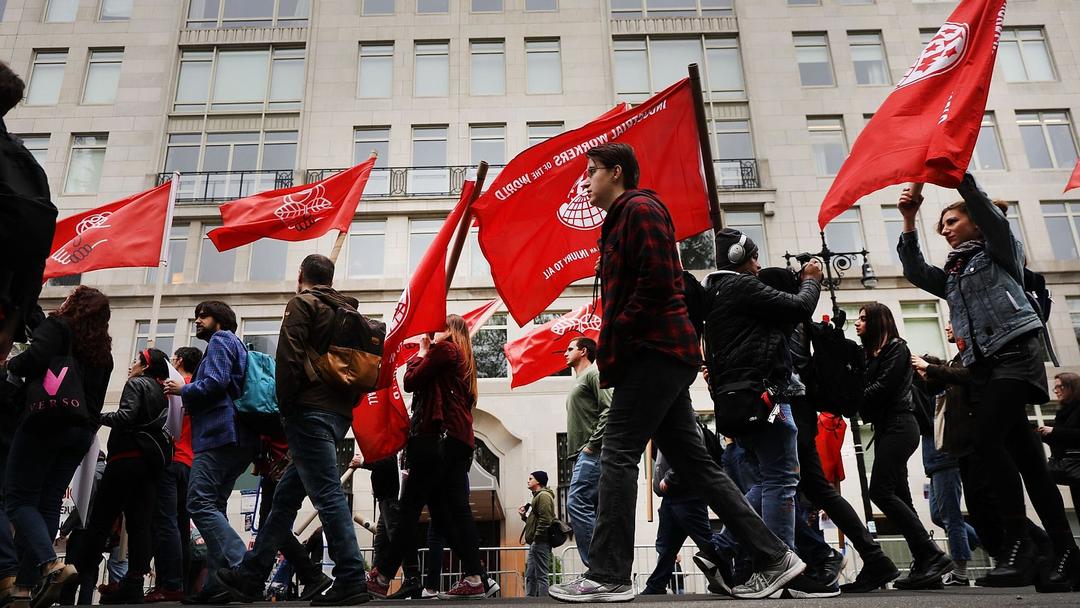
- The Democratic Socialists of America (DSA) was founded in 1982 through the merger of the Democratic Socialist Organizing Committee (DSOC) and the New American Movement (NAM), uniting Michael Harrington's labor-oriented Democratic realignment current with New Left and feminist organizers. The organization began small, with about 6,000 members, and sought influence through coalitions rather than a separate national party.
- For most of the 1990s and 2000s, the DSA remained a low-visibility organization with limited membership, staff and funding. Its chapters and publications still engaged with labor, immigrant-rights, health care, antiwar and electoral-strategy debates, but national electoral impact was limited.
- Bernie Sanders' 2015-16 U.S. presidential campaign made democratic socialism part of mainstream Democratic politics and gave the DSA a new recruitment opening. DSA sources described the campaign as a strategic opportunity, while conservative sources treated the same development as evidence of a rising socialist influence.


Sources Split
LEFT
CENTER
RIGHT
+1

+1
+3


+5

+1
+1

+4


+6
ESTAB
CRIT
CENTER
PRO
ESTAB
The Spin
Progressive narrative
The DSA is the most serious break from donor-driven Democratic politics in decades. Its strength comes from volunteers, tenants, workers and local chapters building power outside the usual consultant class. The point is not just electing better Democrats. The point is forcing politics to serve people crushed by rent, health costs, low wages and corporate capture. Its rise shows that socialist politics can win when rooted in daily life rather than cable-news branding.


Democratic narrative
The DSA has proven it can win primaries and shape the Democratic agenda, but winning power is easier than governing. Voters want affordability, safety, competence and results. Socialist branding matters less than whether DSA-backed officials can deliver without alienating moderates, unions, business interests and communities that distrust ideological politics. The movement's future depends on turning insurgent energy into durable administration.

Center-left narrative
The DSA is an organized effort to pull the Democratic Party toward policies and rhetoric far outside the American mainstream. Its victories matter because they normalize hostility to capitalism, hard-left foreign policy and class-war politics inside major institutions. The danger is not a few symbolic wins. The danger is a growing pipeline of candidates who use Democratic primaries to move cities and Congress toward an agenda that weakens markets, public safety and liberal democratic norms.


Narrative D
The DSA's biggest threat comes from its own habits. Endless bickering, weak internal trust, staff conflicts and confusion over whether elections or base-building come first drain energy from the project. The movement has real talent and real openings, but it repeatedly turns strategic questions into identity tests. A socialist organization that cannot govern itself cleanly has no business claiming it can govern society better.


Conservative narrative
At best, the DSA is a group of bitter "socialists" who seek to line their pockets with other people's money. However, at worst, the DSA is an ally of the Chinese Communist Party (CCP) and a threat to the American way of life. Indeed, multiple investigations have confirmed contacts between the DSA and the CCP, which poses an existential threat to U.S. national security. The DSA must face more scrutiny and cannot be allowed to come to power.


Founding Origins
The Democratic Socialists of America was founded in 1982 through the merger of the Democratic Socialist Organizing Committee (DSOC) and the New American Movement (NAM), bringing together two organizations with different histories within the wider U.S. left.
The DSOC was founded in 1973 after Michael Harrington and allies split from the Socialist Party tradition, while the NAM was founded in 1972 out of New Left and feminist organizing currents. Members of the DSOC and NAM met in Detroit in February 1982 to join as the DSA, and a Democratic Left founding issue described the March 20-21 unity convention as the moment when the DSA would be born.
The new organization began with roughly 6,000 members, combining the larger DSOC with the smaller NAM, which made the DSA a small national socialist organization rather than a mass party. The merger was unusual in U.S. left history, which was often marked by divisions, and the DSA's own later histories framed it as an effort to preserve an organized democratic socialist presence during the Reagan era.
Harrington's Anti-Communist Democratic Socialism
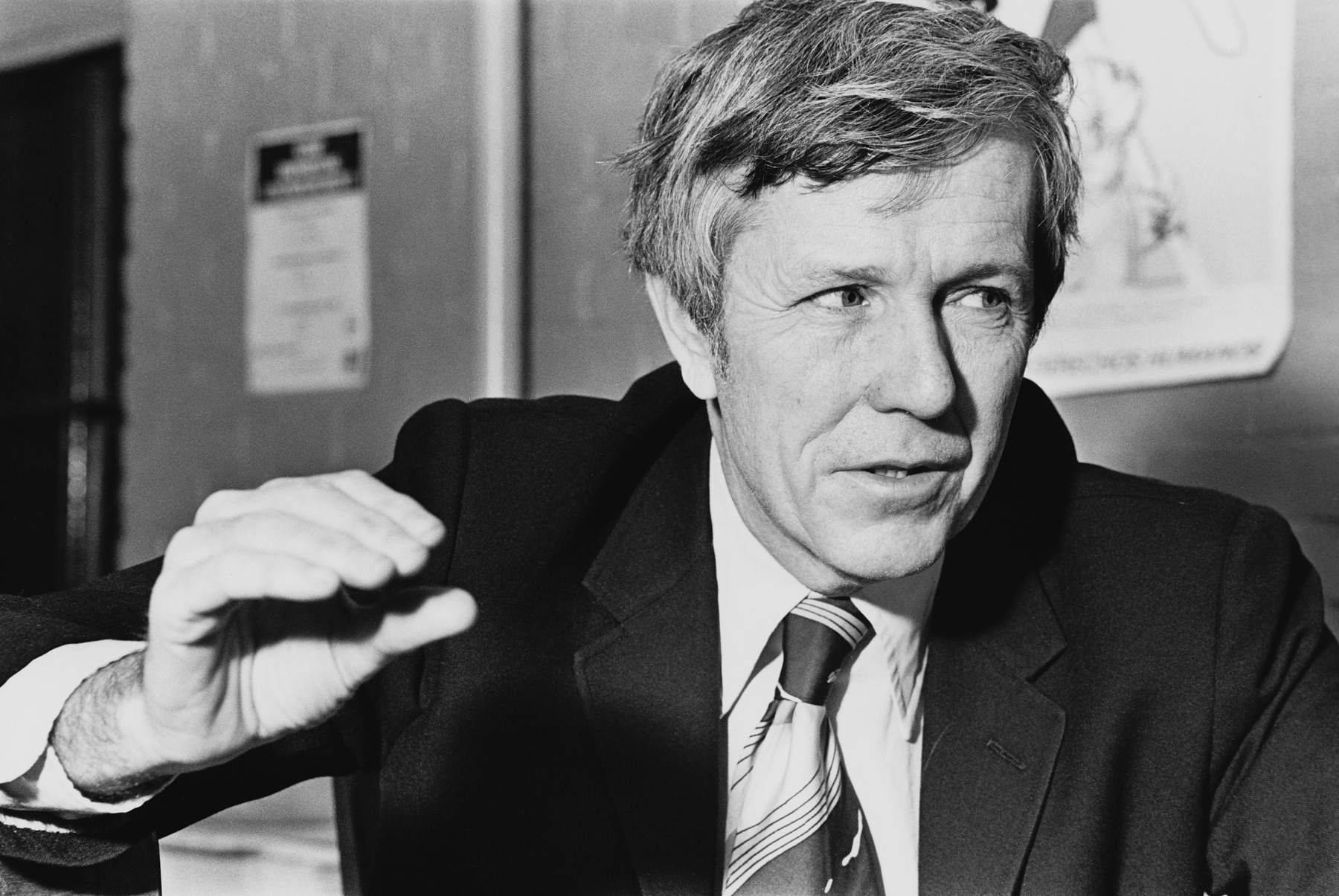
Harrington was the central figure in the DSOC and became a founder and leader of the DSA. Archival descriptions identify him as both a socialist writer and a political leader best known for The Other America and his role in the DSA. Harrington's democratic socialism was distinct from Soviet-style communism because the DSOC advocated socialism while strongly criticizing communism, and Harrington's later writing argued that socialism required democratic control of both political power and the economy.
Right-leaning and left-critical accounts both describe Harrington's project as a strategy for democratic socialism rather than a revolutionary communist party, though they differ on whether that strategy was pragmatic or limiting. Harrington's public standing also came from his anti-poverty writing and civil rights connections, including accounts that he advised Martin Luther King Jr. and influenced War on Poverty debates.
Labor, Civil Rights and Coalition Politics
The DSOC entered the merger with strength in the labor movement and in portions of the progressive wing of the Democratic Party, while the NAM brought organizers shaped by New Left, feminist and community movements. NYU archival material says the DSOC collaborated with progressive labor unions and leaders to promote a social-democratic agenda and a peaceful foreign policy.
Harrington's coalition politics reflected both the labor-socialist tradition and post-1960s civil rights organizing, and profiles outside his circle note his involvement in civil rights and other left-of-center initiatives. The DSA's founding context therefore combined trade-union relationships, civil rights liberalism, feminist organizing and antiwar activism rather than a single ideological source.
Realignment Inside the Democratic Party
Harrington's strategic choice was to work within the Democratic Party and attempt to realign it rather than build DSA as a separate third party. The DSOC had already pursued a Democratic Agenda project in the late 1970s to build a progressive presence in the Democratic Party, and that inside strategy shaped DSA's first institutional identity.
Harrington's realignment strategy allegedly tied socialists too closely to Democratic Party institutions, while U.S. ballot rules and the two-party system made independent socialist politics structurally difficult. The DSA therefore entered public life as a small, explicitly socialist organization that sought influence through labor, social movements and Democratic Party coalitions rather than through a separate national party.


The Spin
Progressive narrative
The DSA's founding was a disciplined bet on power as opposed to some campus fantasy. The 1982 merger of the DSOC and NAM joined labor ties, New Left energy and Michael Harrington's hard-nosed belief that socialists had to fight where mass politics already existed. Working through Democratic terrain was imperfect, but it gave the project a path beyond protest and small-party isolation.


Socialist narrative
The DSA began with a fatal concession to the political establishment. By building from the DSOC's Democratic realignment strategy, the organization accepted the limits of a party tied to corporate power. The 1982 merger created a national socialist home, but it also inherited Harrington's caution and a politics too comfortable with respectability.

Center-left narrative
The founding story shows why DSA deserves scrutiny. Harrington's organization did not build a normal third party. It pursued influence within Democratic politics, with a strategy aimed at pulling the country left from within the party. That origin matters because it makes the DSA a pressure force on institutions that many voters never agreed to hand over to socialism.


Decades of Obscurity
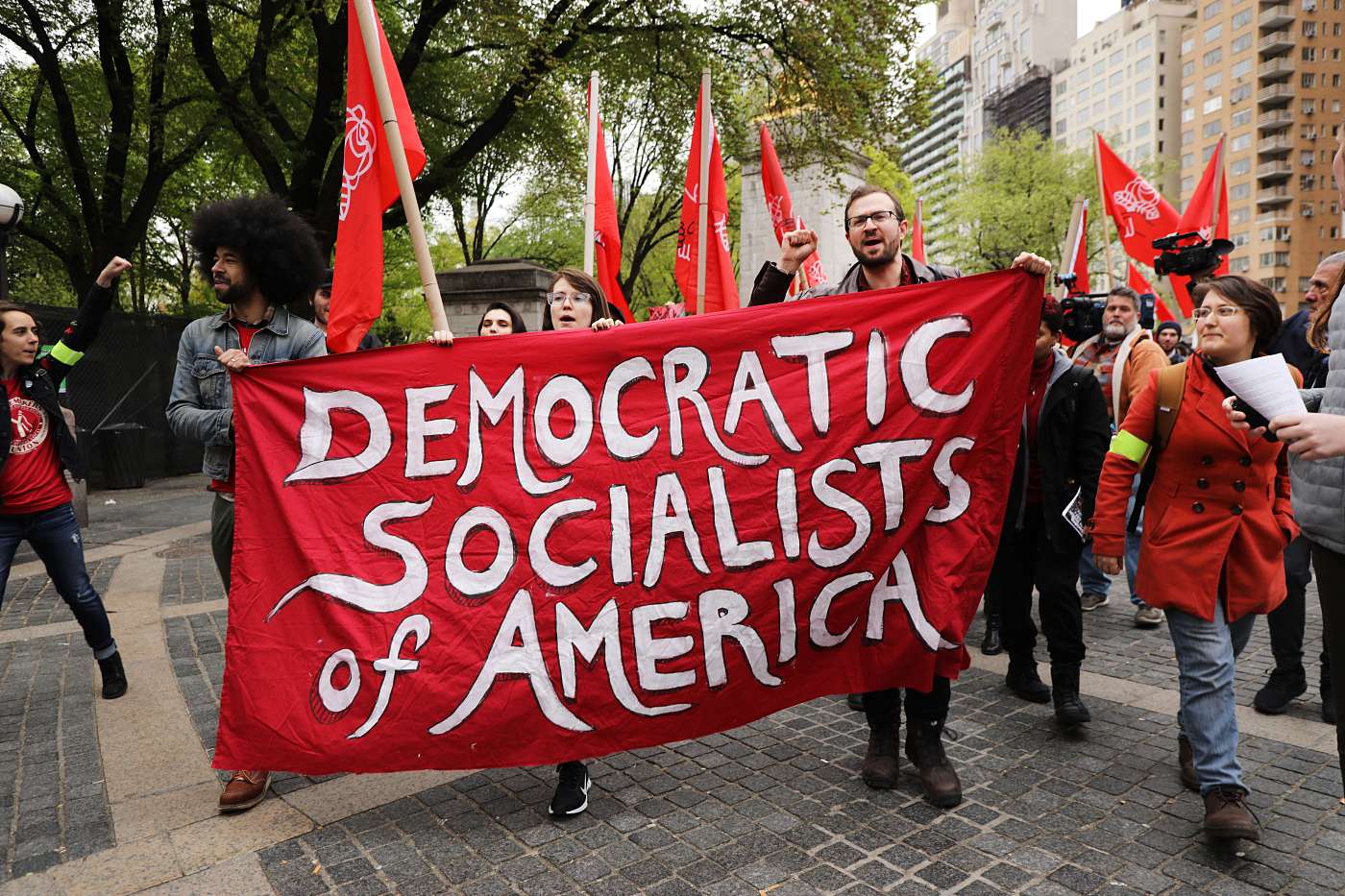
After its 1982 founding, the DSA remained a small organization through the 1990s and 2000s, despite hopes that the merger would produce faster expansion.
According to Verso's encyclopedia, the DSOC had about 5,000 members and the NAM about 1,500 before the merger, though not all NAM members joined. InfluenceWatch, a right-leaning watchdog source, similarly describes the DSA as beginning with about 6,000 members, reaching as high as 10,000 in the early 1990s and falling to about 6,500 by late 2014.
The persistence of a small membership base meant DSA functioned more as a network of activists, writers, local chapters and coalition partners than as an electorally visible party.
Local Activism Without National Visibility
The DSA's obscure decades were not inactive. Its local chapters and national publications worked on health care, labor, immigrant rights, welfare, antiwar and coalition causes. A 1995 Democratic Left issue included material on immigrant rights after NAFTA, health care reform and welfare reform, showing the organization's focus on policy fights and coalition advocacy during the Clinton era.
A Fall 2000 Democratic Left issue led with an electoral perspective article that urged progressive coalition-building in Congress and state legislatures, and it treated the Gore-versus-Nader debate as part of a broader argument over grassroots electoral politics. These internal publications show that the DSA was present in left policy debates even when mainstream media attention and electoral recognition were limited.
Funding and Staffing Limits
The early post-merger organization faced financial and staffing constraints that limited expansion, and Verso reports that a national recruitment tour had to be scaled back due to a financial deficit carried over from the DSOC. Verso also reports that hopes of maintaining offices in both Chicago and San Francisco and retaining former NAM staff proved financially unrealistic.
The pattern of limited staff and narrow resources remained a recurring feature of the DSA's pre-2016 organizational culture, and later accounts of the 2015 convention describe an activist core small enough to fit in a retreat center with no more than 200 total attendees including staff. This scale helped explain why the DSA could remain active in coalitions while still having minimal national media visibility.
The Long Debate Over Democrats
The inside-outside debate over the Democratic Party continued from 1982 to 2015 and was already evident in Harrington's mid-1980s efforts to organize the Democratic left. In May 1986, Harrington convened a three-day New Directions conference in Washington with 10 labor union presidents and more than 1,000 Democratic activists to resist what participants saw as the Democratic Party's rightward drift.
The DSA's "Where We Stand" document, drafted through organization-wide discussion from 1990 to 1995, continued to update the organization's view of democracy, political economy and electoral strategy after its 1982 founding statement. By 2015, DSA writers were still debating whether and how to engage with Bernie Sanders' expected presidential campaign, with Dustin Guastella arguing that socialists should actively help build it without treating it simply as a Democratic Party realignment project.
Bernie Sanders Surge
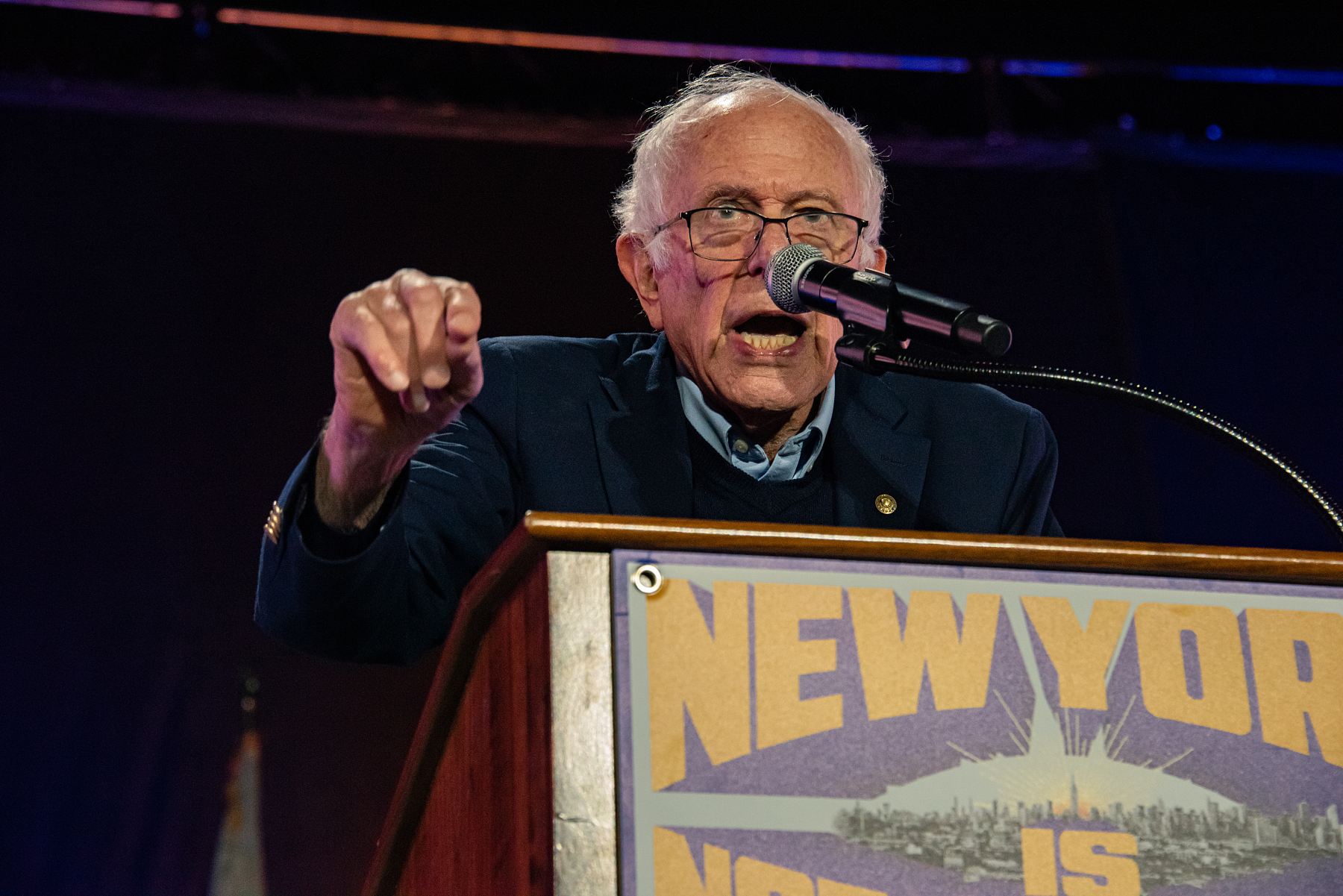
Bernie Sanders' 2015-16 Democratic presidential primary campaign introduced the term democratic socialism to a mass electoral audience after decades in which socialism had usually been marginal in U.S. national politics.
DSA National Director Maria Svart told the organization's November 2015 convention that Sanders was helping make the impossible possible by running in a Democratic primary as a proud socialist. Sanders' Nov. 19, 2015, Georgetown speech defended democratic socialism by linking it to Franklin D. Roosevelt and by stating that he did not seek government control of local businesses, such as grocery stores.
DSA's Early Support
The DSA tried to use Sanders' candidacy to raise awareness of democratic socialism even though the organization had limited funds and staff. The Atlantic reported that the DSA's 501(c)(4) reported $741 in contributions and $10,939 in spending from April 1 to July 15, 2015, in a Federal Election Commission quarterly report, underscoring the gap between the scale of Sanders' national campaign and DSA's small institutional base.
The DSA's national convention was held November 13-15, 2015, in Bolivar, Pennsylvania, where delegates discussed how the Sanders moment had accelerated growth and created a new strategic opening. DSA publications from that period reported that the organization had a little more than 6,000 members at its 2015 convention and more than 8,000 soon afterward.
Younger Members and the Electoral Turn
Sanders' campaign drew younger activists to the DSA, and later accounts said the organization was transformed by thousands of new members, many of them first-time activists, who joined after the campaign. International Viewpoint described DSA as having moved from a few thousand barely active members to a much larger, younger organization after the Sanders campaign.
The Washington Post reported at the 2017 convention that the socialist movement was becoming younger because of Sanders' influence, and New Left Review described 50,000 mostly young people joining DSA after the 2016 election. These accounts link the campaign not only to membership growth but also to generational change in the organization's internal politics.
From Presidential Campaign to Organizational Strategy
The Sanders campaign intensified the DSA's debate over electoral politics and the Democratic Party, because it showed that a self-described democratic socialist could compete for a major-party presidential nomination. DSA's National Political Committee said in 2016 that the left should defeat Trump while preserving and expanding the independent electoral and movement capacity built by the Sanders campaign.
Dissent's interview with Maria Svart framed DSA's 2016 strategy as anti-Trump but not simply pro-Clinton, reflecting the organization's attempt to maintain a distinct socialist identity inside a Democratic presidential cycle. Later reporting in The New Yorker said DSA had no paid elections staffer at that stage and relied on volunteer field organizers who had come out of the Sanders campaign, which helped convert presidential campaign energy into local DSA electoral capacity.
Membership Expansion
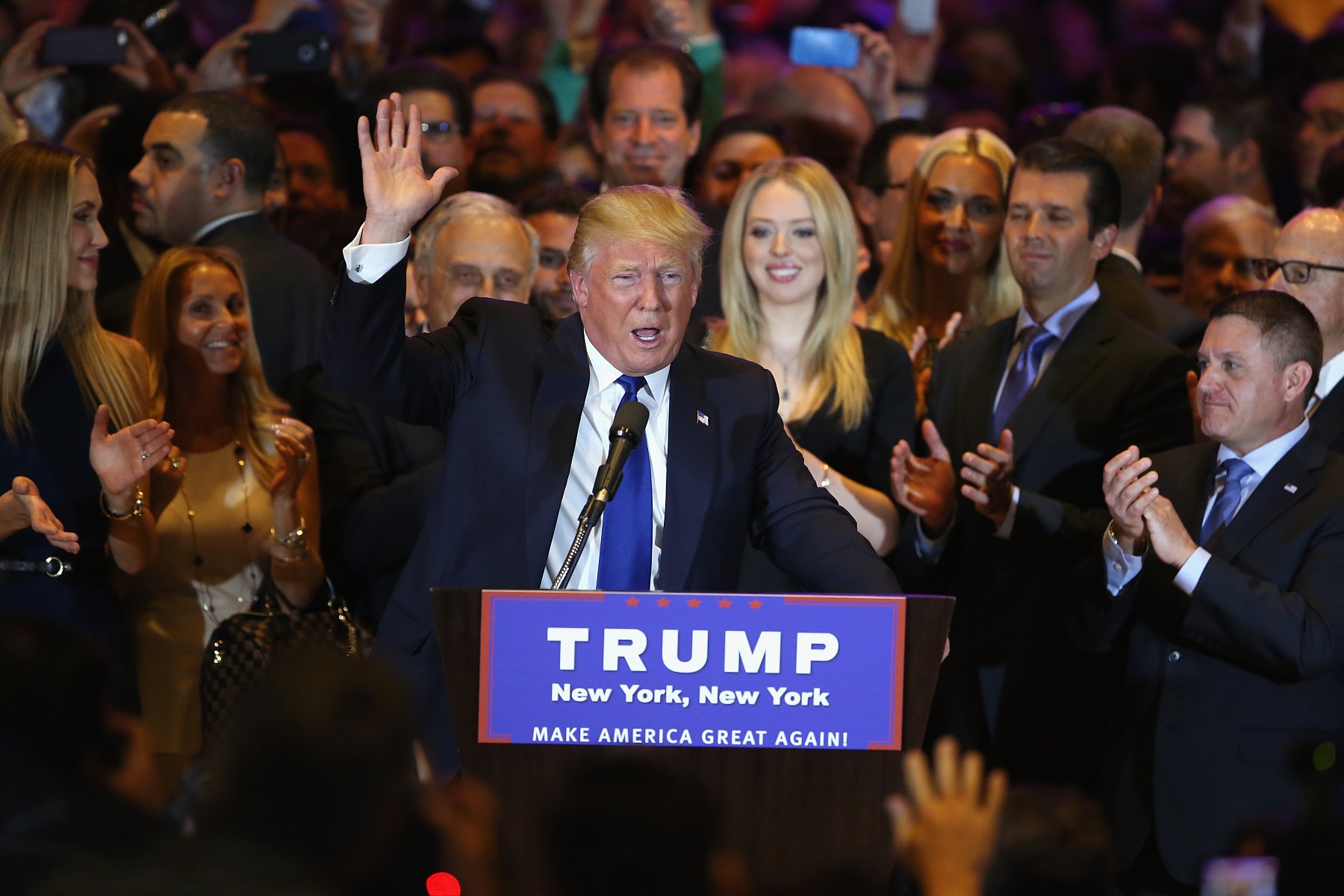
After Donald Trump's victory in the 2016 election, the DSA experienced a rapid membership surge that built on the earlier Sanders-era expansion.
In These Times reported that thousands joined after Nov. 8, 2016, and that a Brooklyn DSA meeting before Christmas drew about 100 people after fitting easily in the same room a month earlier. Al Jazeera similarly reported in February 2017 that socialist groups saw a membership spike as they joined protests against Trump. DSA later reported that its current membership was more than 10 times larger than a decade earlier and that 97% of current members had joined after 2016.
From Thousands to Tens of Thousands
By 2017, the DSA had about 25,000 members, roughly tripling over the previous year, according to left publications that covered the organization's growth and convention. The DSA's 2017 national convention in Chicago was its first since Trump's election and the largest in the organization's 35-year history.
By October 2017, Jacobin described the DSA as having reached about 30,000 members nationally, and Politico Magazine reported that dues-paying membership had swelled to 29,000. The rapid growth made the DSA more visible in debates over whether socialists should prioritize electoral work, labor organizing, direct action or local issue campaigns.
New Chapters in Smaller Places
The growth was not confined to New York or other large coastal cities, as NPR reported in 2018 on a North Central West Virginia chapter, noting that DSA membership had grown sevenfold since 2015. Metro DC DSA's local publication described a chapter that had grown from a 300-member local to nearly 1,000 members by October 2017 and was developing branches outside the district.
These accounts show the geographic spread of DSA into smaller cities, college-adjacent networks and regional branches during the 2016-2018 period. The scale of expansion placed new pressure on local chapters that had previously operated with informal norms and small activist cores.
Administrative Strain and the 50,000 Mark
The DSA's decentralized, chapter-based structure came under strain as membership rose because locals who once made decisions informally had to create bylaws, branches, committees and member-engagement systems. The media later reported that the DSA surpassed 40,000 members two days after Alexandria Ocasio-Cortez defeated Joe Crowley in June 2018, and later in 2018 DSA had grown to about 45,000 dues-paying members since 2016.
By mid-to-late 2018, mainstream sources put national membership around 50,000 or higher, while InfluenceWatch later cited 55,000 members in 2018. The result was a larger and more diffuse organization whose chapters had to coordinate recruitment, political education, endorsements and internal democracy at a scale the DSA had not previously managed.
AOC Breakthrough
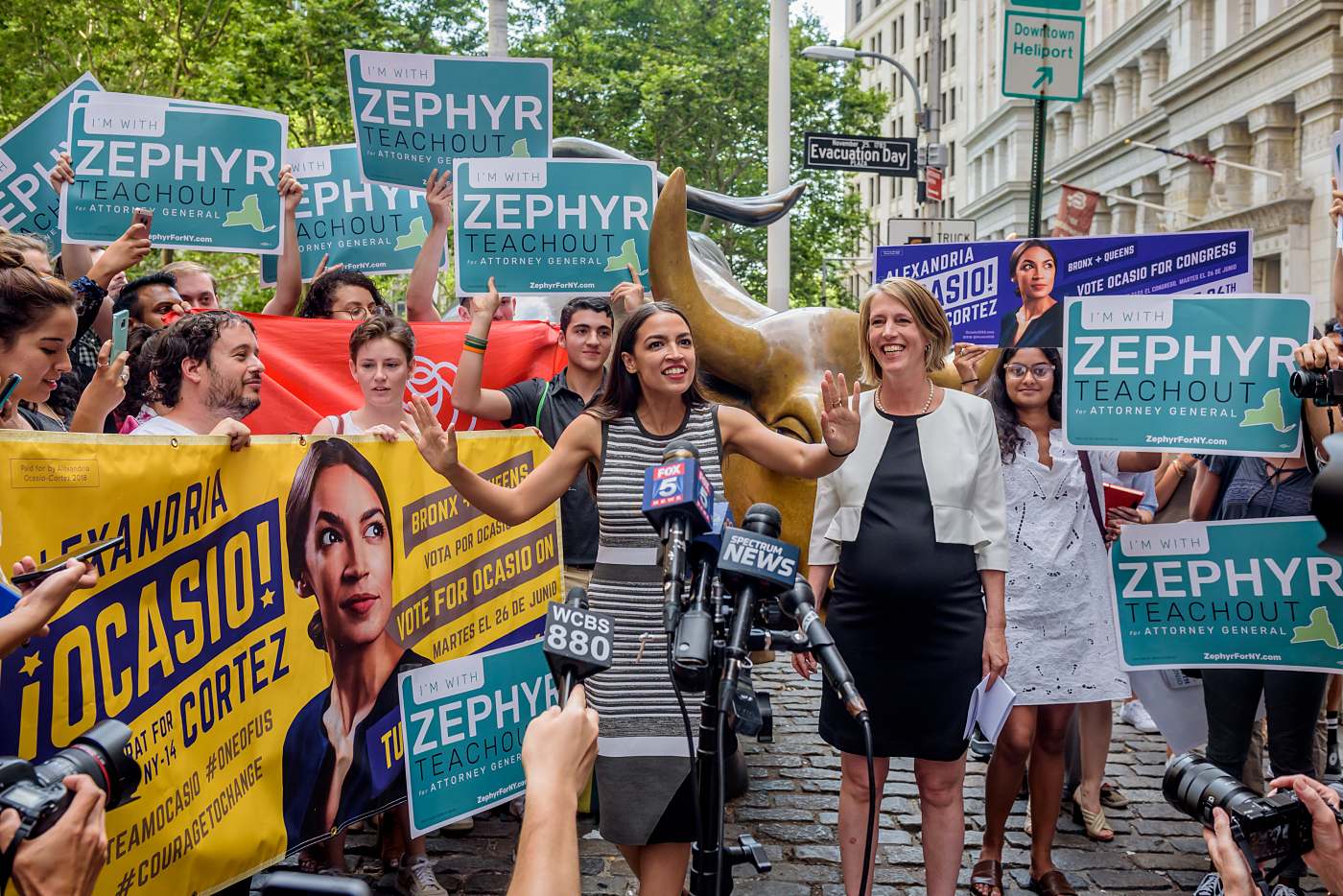
On June 26, 2018, Alexandria Ocasio-Cortez defeated Rep. Joe Crowley in the Democratic primary for New York's 14th Congressional District, producing one of the cycle's most closely watched Democratic upsets.
Crowley was a 10-term incumbent, chair of the House Democratic Caucus and widely discussed as a possible future House Democratic leader. Ocasio-Cortez won by roughly 57% to 42%, a margin of about 15 points, according to local and national reports. She was 28, a Bronx-born Latina, a member of the DSA and a former Bernie Sanders organizer.
Machine Politics and Movement Politics
The race was framed by left and mainstream outlets as a contest between a Democratic machine figure and a grassroots insurgent campaign. In their only televised debate, Ocasio-Cortez asked Crowley to step down as Queens County Democratic Party chair, and he declined.
Ocasio-Cortez's answer to Crowley's request for general-election support emphasized that she was part of a movement and would take the question back to that movement, which left media interpreted as an expression of democratic socialist process. Crowley's fundraising advantage was substantial, and CNN reported that he outraised her by 10-to-1.
DSA's Field Operation and Competing Interpretations
Reports credited Ocasio-Cortez's DSA-linked grassroots outreach, canvassing and volunteer infrastructure as important to the upset. Gotham Gazette reported that the DSA helped Ocasio-Cortez pull off the victory and that the win boosted both her and the New York City chapter.
Bloomberg later highlighted the campaign's grassroots technology, including the Reach app built by volunteers, as part of the organizing system that identified supporters beyond conventional voter lists. Later, Ocasio-Cortez told journalist Ryan Grim that she did not win because of the DSA, Justice Democrats or other groups alone.
National Attention and a Template for DSA
After the primary, Ocasio-Cortez drew national attention through appearances on programs including The View and Stephen Colbert's Late Show, and coverage linked her victory to the wider public visibility of democratic socialism. NY-14 was heavily Democratic, and she became the youngest woman elected to Congress in November 2018. The win was soon discussed alongside Rashida Tlaib's victory in Michigan's 13th District and the broader emergence of the progressive lawmakers later associated with the Squad.
For the DSA, the race became a model of local endorsement, volunteer canvassing, small-donor politics and insurgent Democratic primary strategy, even as later interpretations differed over whether the DSA was decisive or one part of a wider coalition.
Electoral Expansion
The DSA's National Electoral Committee was established in April 2017, and the 2017 convention voted to expand electoral capacity for local chapters.
The committee's 2021 report says the DSA moved from electing six nationally endorsed candidates in 2017 to winning 29 national and 58 local endorsed campaigns in 2020. This institutionalization marked a shift from isolated endorsements toward training, support, research and coordination for chapter electoral working groups. The approach remained decentralized, because local chapters identified candidates and built volunteer operations while national structures provided endorsement and campaign support.
State Legislative Breakthroughs
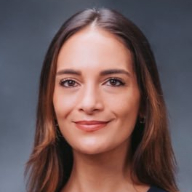
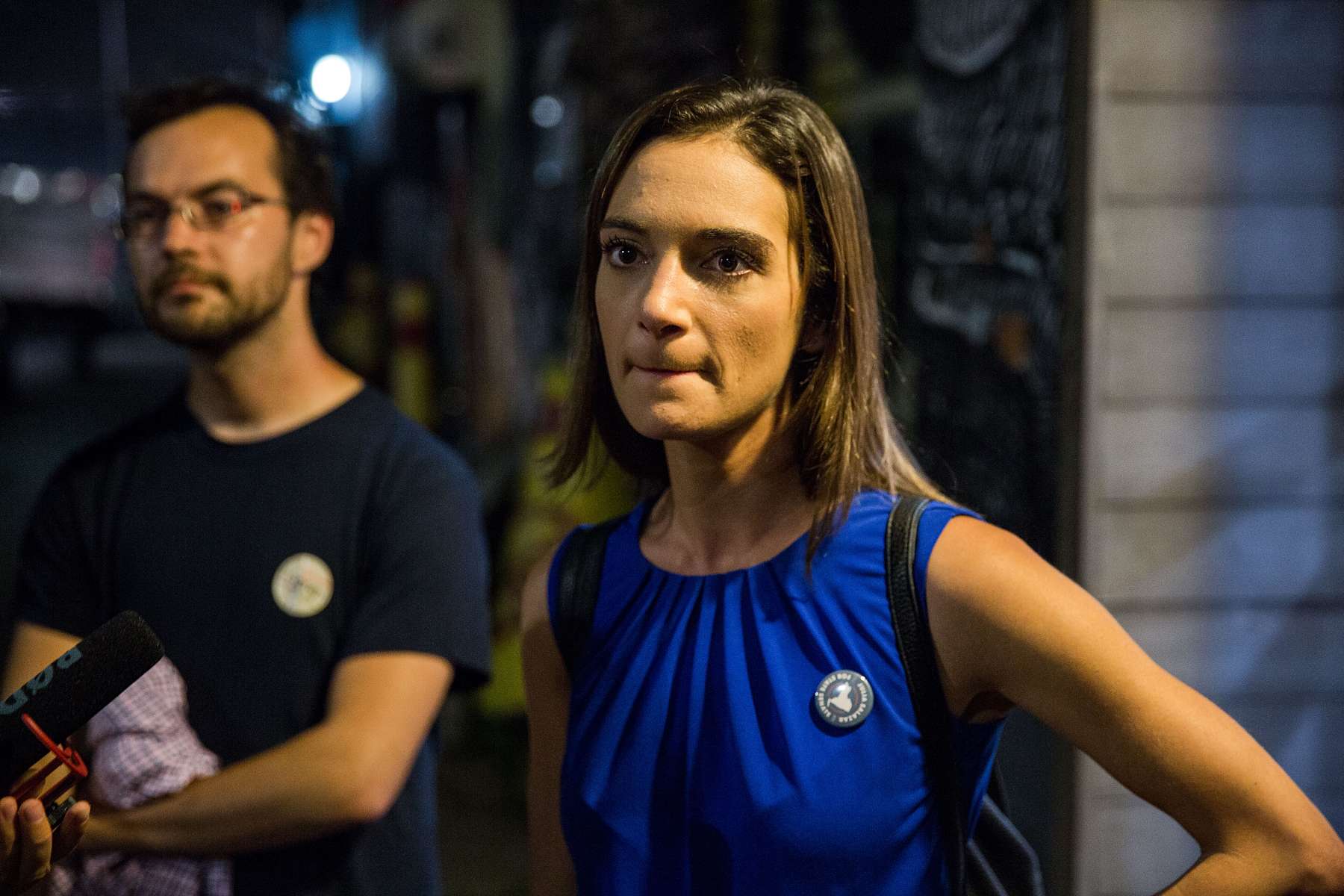
In May 2018, two DSA candidates won Democratic primaries for the Pennsylvania state assembly, putting them on track to serve in the legislature and showing that the AOC-era electoral surge extended beyond New York. Julia Salazar defeated incumbent Martin Dilan in a 2018 Democratic primary for New York state Senate with 59% of the vote, making her a prominent early example of the DSA's state legislative strategy.
New York later became the DSA's strongest state-level electoral base, with multiple Assembly and Senate wins following Salazar's breakthrough. By July 2022, six DSA members served in the New York Senate and Assembly and were collectively known as Socialists in Office.
Municipal Power and Chicago's Socialist Caucus
DSA-backed municipal victories also became central to the organization's electoral expansion, especially in Chicago. In 2019, five DSA candidates won or advanced in Chicago aldermanic races, and after runoffs, the council had six Democratic Socialists, with a planned Socialist Caucus.
Rossana Rodriguez-Sanchez became one of six democratic socialists on Chicago's 50-member City Council, giving the bloc more than 10% of the body. Conservative outlets noted DSA candidates' success, reflecting broader attention to the group's municipal gains.
Accountability and the Democratic Party Question
The DSA's electoral growth created new questions about accountability once candidates entered office. City & State NY reported that the six New York state legislators known as Socialists in Office worked with the DSA in ways going beyond the usual relationship between elected officials and advocacy groups. The organization's endorsement processes and accountability expectations distinguished the DSA from looser progressive coalitions, but the U.S. party system limited formal discipline over officials elected on Democratic ballot lines.
Internal left debates continued over whether the DSA's Democratic primary strategy was a transitional route toward a future party, a durable inside strategy or an obstacle to independent socialist organization.
Internal Factions
The DSA's rapid growth after 2016 produced a large internal ecosystem of caucuses, tendencies and strategic blocs.
City & State NY described the DSA as a big tent that includes members ranging from Sanders-supporting Democrats to communists, and it added that caucuses dominate internal politics through leadership slates, convention whipping and endorsement fights. These caucuses made internal democracy more organized but also made disputes more visible and sometimes more adversarial.
Conventions as Strategic Battlegrounds
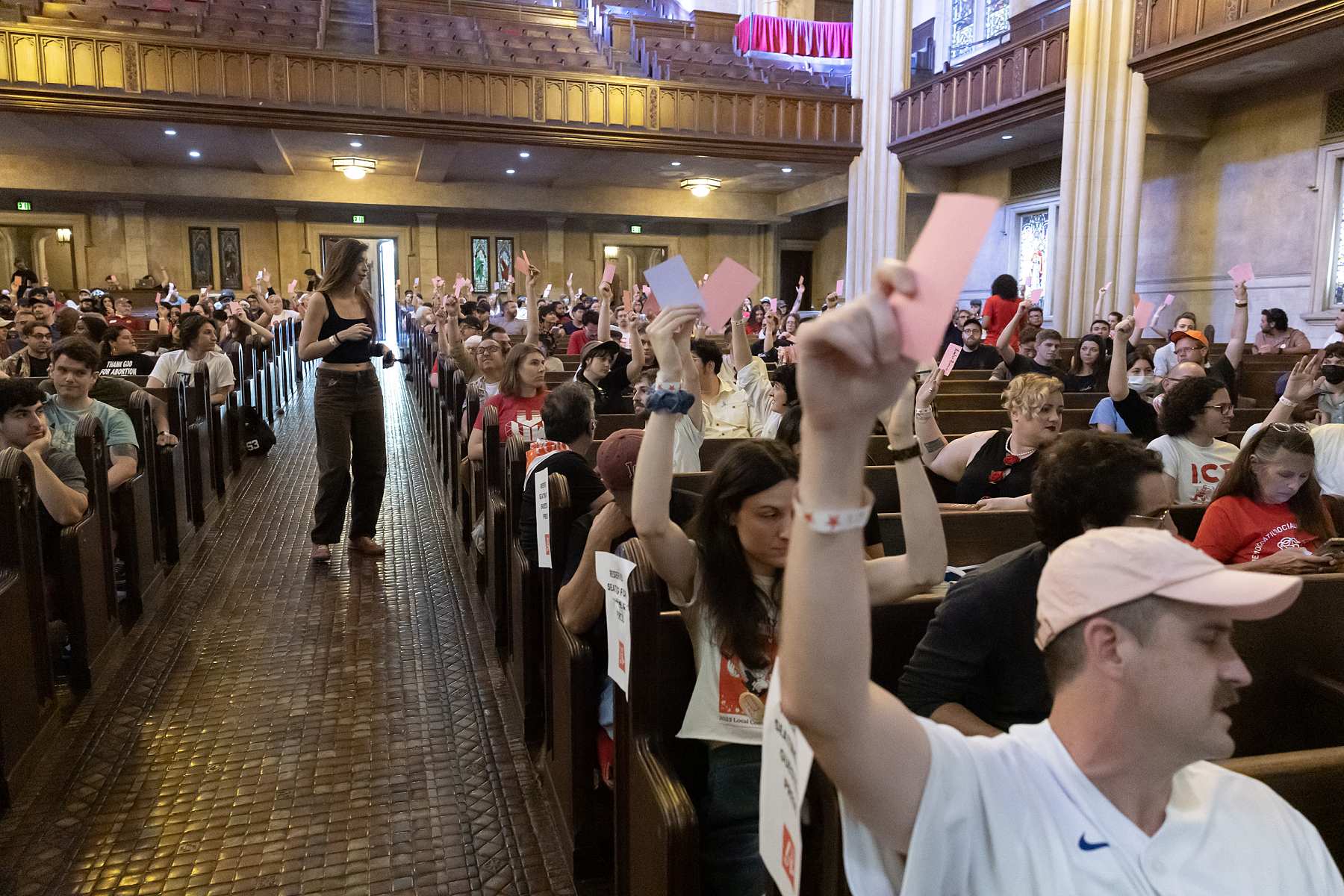
The DSA's national conventions became the main formal arena for resolving disputes over electoral strategy, centralization, leadership and political priorities. The 2019 Atlanta convention had 1,056 delegates representing about 55,000 members and featured caucus fights over whether the DSA should maintain a stronger national organization or prioritize decentralized local organizing.
The 2021 national convention was held online with more than 1,000 delegates and included debates over electoral strategy and internationalism. Later convention coverage described the organization as trying to reverse membership decline and manage disputes over whether electoral work, labor organizing, internationalism or internal discipline should receive priority.
Foreign Policy, Bowman and Palestine
Foreign policy disputes became a major source of internal conflict, especially over Israel-Palestine, BDS and DSA-endorsed elected officials. Jewish Currents reported that Rep. Jamaal Bowman's departure from BDS-aligned positions sparked controversy over whether to expel him, and that the dispute involved DSA's BDS and Palestine Working Group.
Tempest and other left sources described the Bowman affair, the suspension of the BDS and Palestine Working Group, Ukraine, rail politics and membership losses as central issues before the 2023 convention. Politico reported that after the October 2023 Times Square rally controversy, Alexandria Ocasio-Cortez criticized NYC-DSA and Jamaal Bowman let his membership lapse.
Attrition and Competing Diagnoses
The DSA's membership growth slowed by 2021 and later coverage described the organization as managing decline or stagnation rather than the explosive growth of 2016-2020. Some argued that the DSA never recovered from the Bowman affair and connected membership attrition to unresolved strategic disputes, while DSA-aligned writers disputed crisis narratives and argued that conflict is part of democratic governance.
Longtime member Maurice Isserman announced in 2023 that he was leaving the DSA over the organization's response to Hamas and Palestine, while other DSA members responded that the organization's stance on Palestine reflected years of internal organizing and democratic processes. The recurring pattern is not a simple split between moderates and radicals, but a continuing dispute over electoral realism, ideological consistency, foreign policy and how tightly the DSA should bind elected officials to member-approved positions.
What is BDS?
Palestine Controversies
On Oct. 7, 2023 the DSA issued a statement tying Hamas' attack to Israeli occupation and U.S. funding while also saying it unequivocally condemned the killing of all civilians.
The statement's emphasis on occupation, apartheid and U.S. aid became a central point in later criticism because it did not foreground Hamas' responsibility for the attacks. Harold Meyerson wrote in The American Prospect that the DSA's initial reaction brought criticism from liberals and leftists who support Palestinian statehood but objected to the organization's public position. The Washington Examiner described the same episode as evidence of a broader ideological transformation inside the DSA.
NYC-DSA, the Times Square Rally and Elected Officials
NYC-DSA promoted a pro-Palestine Times Square rally after Oct. 7, and its leaders later said the chapter did not organize the event. Gov. Kathy Hochul and other New York Democrats condemned the rally after NYC-DSA promoted it, while several lawmakers with ties to the DSA distanced themselves from the event.
By Oct. 10, Ocasio-Cortez criticized the NYC-DSA-linked rally and called for rejecting hatred and antisemitism, while Jamaal Bowman reportedly let his DSA membership lapse. NYC-DSA later issued a statement saying it believed in peace, equality and freedom for all Palestinians and Israelis, condemned hatred and the killing of civilians and apologized for confusion caused by its post.
AOC, Bowman and the Endorsement Fights
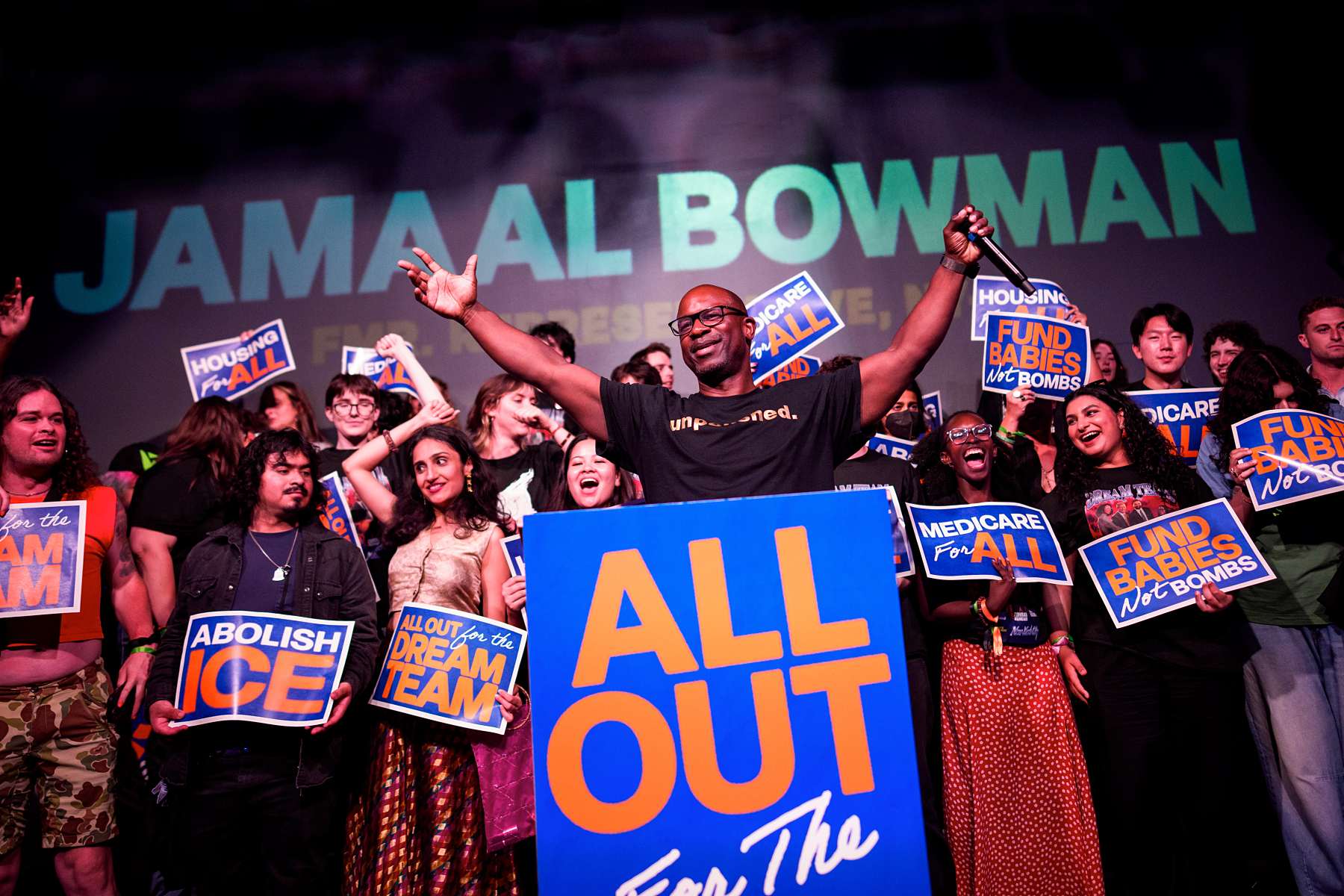
The controversy continued into 2024 as the DSA's relationships with prominent elected officials became tied to Israel-Palestine and antisemitism debates. In June 2024, The New York Times reported that Bowman told DSA members he had never quit the group and no longer supported new funding for Israel's Iron Dome missile defense system.
In July 2024, the DSA withdrew its conditional endorsement of Ocasio-Cortez, citing her antisemitism panel and Israel-related positions. Those reports show that the DSA's accountability standards for elected officials became a public conflict, not only an internal organizational matter.
Bowman, Outside Spending and Electoral Pressure
On June 25, 2024, George Latimer defeated Bowman in the NY-16 Democratic primary by roughly 58% to 42%. The race became a symbol of pressure on DSA-aligned and pro-Palestine candidates because AIPAC's United Democracy Project spent more than $14.5 million in the primary, which the media described as a House-race outside-spending record.
Punchbowl reported that Latimer beat Bowman by 17 points and that AIPAC's outside spending was central but not the only factor in Bowman's loss. The same primary night also saw Assemblymember Stefani Zinerman defeat DSA-backed Eon Huntley 53% to 47% with support from Hakeem Jeffries.
Recent Wins
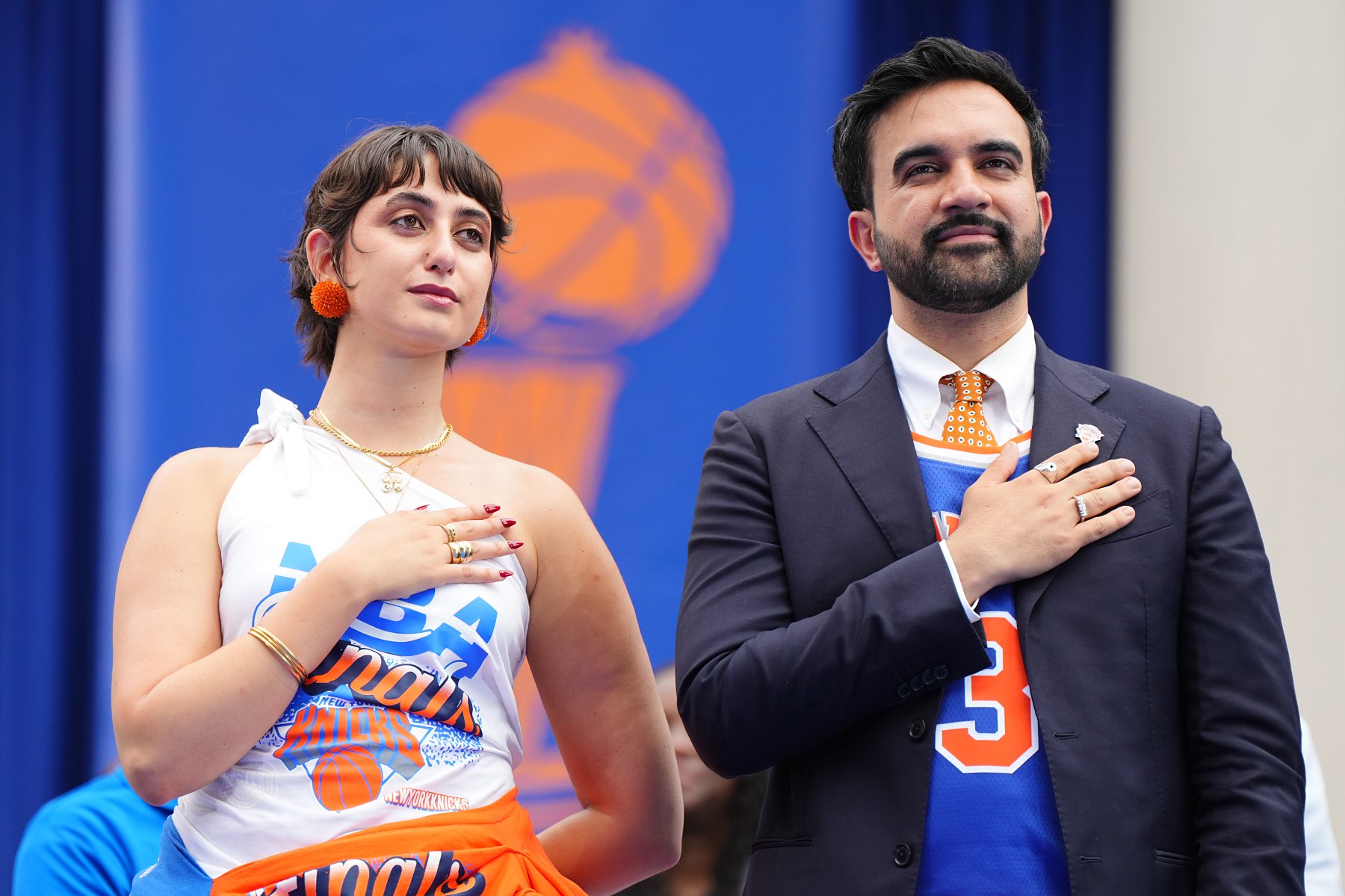
Zohran Mamdani was a Queens state assemblyman and had been a DSA member since 2017, when he ran for New York City mayor. His campaign emphasized affordability, including rent-focused events and universal childcare funded by higher taxes on high-income earners.
The DSA's Democratic Left reported that his first mayoral filing period brought in more than $642,000 from 6,500 individual donors. In June 2025, Mamdani won New York City's Democratic mayoral primary after Andrew Cuomo conceded, and the AP described the result as exposing divisions within the Democratic Party.
Field Operations and the DSA Model
Mamdani's campaign relied on a large field operation that DSA-aligned sources and mainstream outlets described as central to his victory. The Independent reported that the campaign planned canvasses in 49 neighborhoods across all five boroughs with several thousand volunteers expected. The Nation described DSA's field operation as the unsung hero of Mamdani's campaign, while The Dig podcast interviewed NYC-DSA co-chairs about how the organization built its electoral model.
The Guardian later reported that tens of thousands of volunteers knocked on more than one million doors, while also noting that the campaign had not released data showing how many volunteers were mobilized directly by NYC-DSA.
Down-Ballot and Congressional Momentum
NYC-DSA's earlier electoral record included Julia Salazar's 2018 state legislative win and multiple state House, state Senate and City Council wins, which Jacobin framed as the groundwork for Mamdani's citywide campaign. On June 24, 2026, Mamdani-backed candidates Brad Lander, Claire Valdez and Darializa Avila Chevalier won New York congressional primaries.
Reuters reported that the slate toppled two incumbents and defeated an establishment-backed candidate in an open seat, making the results a significant test of Democratic appetite for DSA-aligned candidates. The AP described the sweep as expanding Mamdani's influence in Washington and Albany and intensifying debate within the Democratic Party.
Affordability as the Common Message
Recent DSA-aligned campaigns increasingly centered housing, childcare, public services, health care and cost-of-living concerns rather than presenting socialism mainly as an ideological label. The New York Times reported that interviews with NYC-DSA members and organizers identified economic frustration as the primary driver of the chapter's growth. Brookings similarly argued that recent Democratic insurgents were winning on economics rather than culture, citing successes by candidates backed by Sanders, Ocasio-Cortez and Mamdani.
Current State
The DSA's current position is defined by an expanded electoral footprint across multiple cities and states, with prominent recent activity in New York, Washington, Seattle, Denver and San Antonio.
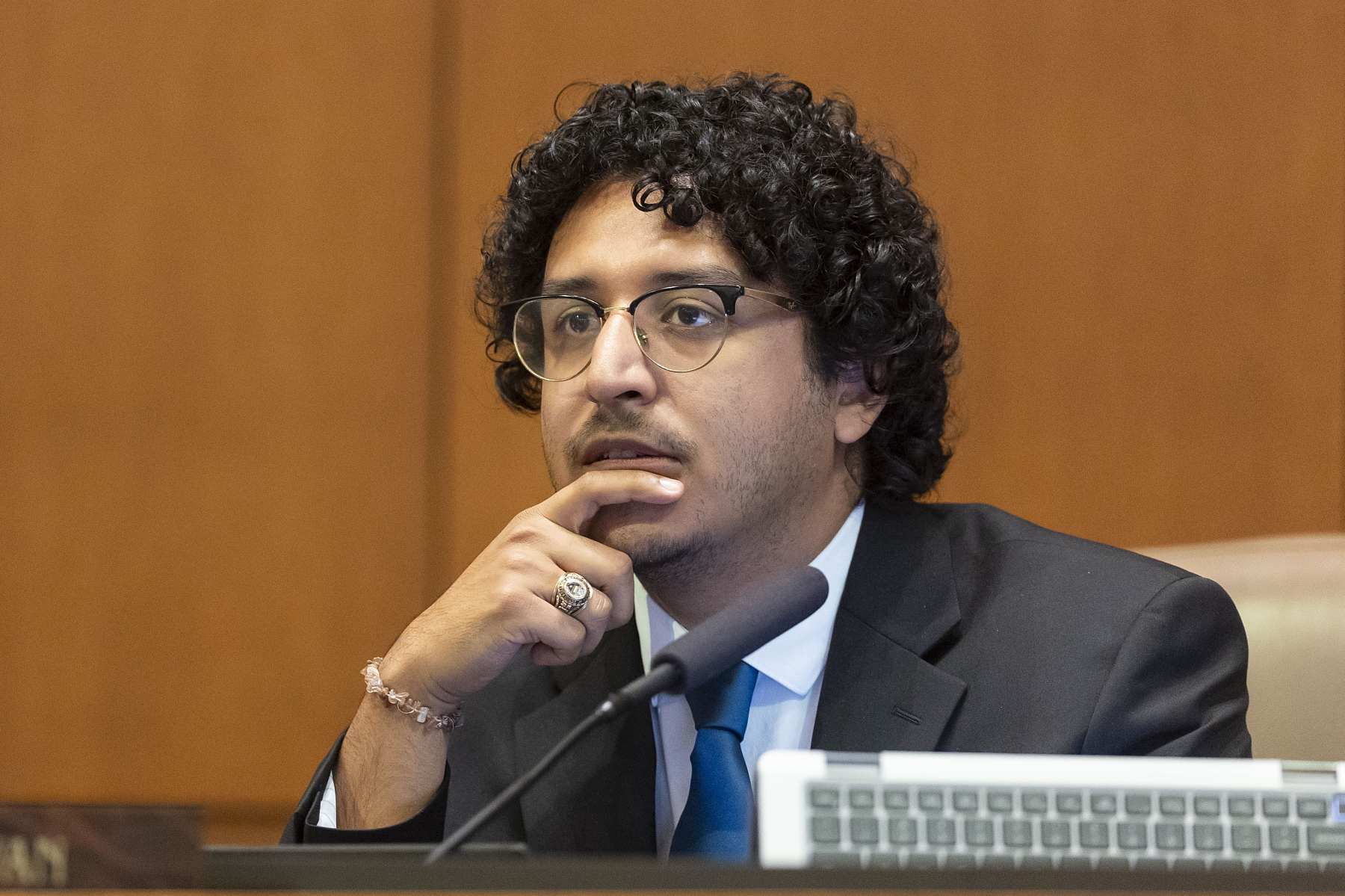
Janeese Lewis George's Washington, D.C., mayoral platform included subsidized or free childcare, expanded homebuyer assistance and community crime-reduction resources. In Texas, three San Antonio council members, Jalen McKee-Rodriguez, Teri Castillo and Ric Galvan, identify as democratic socialists and are members of the DSA. DSA holds two seats in Congress and cited 2026 DSA-aligned primary wins by Melat Kiros in Colorado and Manny Rutinel in a top pickup target.
Scaling From Insurgency to Governance
The central question for the DSA is whether an insurgent organizing model built around volunteers, chapters and contested Democratic primaries can become sustained governing influence. Politico reported in June 2026 that DSA leaders wanted one of their own on the 2028 Democratic presidential primary debate stage, showing that the organization was thinking beyond municipal and congressional primaries.
Dissent's essay on socialist governing power argued that winning office is different from exercising durable governing power, a distinction that applies to DSA-backed mayors and legislators. CNN's convention coverage described DSA discussing platform demands and next steps while Republicans and Democrats assessed how the organization's positions would affect midterm politics.
Normalization and Backlash
Media coverage now treats democratic socialism as both more normalized inside Democratic primaries and still contested within the broader electorate. A Washington Post-Ipsos poll found that three in four Democrats were open to supporting a democratic socialist for president, while less than half of all Americans said they would vote for such a candidate.
CNBC found that 32% of registered voters would be more likely to support a candidate who describes themselves as a democratic socialist, while 50% would be less likely, and CNN noted that the label tested less negatively than a MAGA association in that poll. The AP reported that the DSA's Workers Deserve More platform became fodder for Republican attacks, including claims that Democrats were welcoming communism.
Capacity, Money and Internal Direction
The DSA also faces organizational and financial capacity constraints as it attempts to expand. The Maine Wire reported in January 2024 that DSA members described a $2 million budget deficit that could require seven-figure cuts and layoffs, and the DSA's own finance discussion emphasized that the organization is almost entirely member-funded.
A former staffer described tensions over power, staff precarity and member democracy inside the DSA's governance structure. Socialist Call argued after the 2025 convention that the DSA had broad agreement on electoral politics, the democratic road to socialism and tactical use of Democratic ballot lines, but that a practical division remained between those prioritizing discipline and those prioritizing growth.
Overview