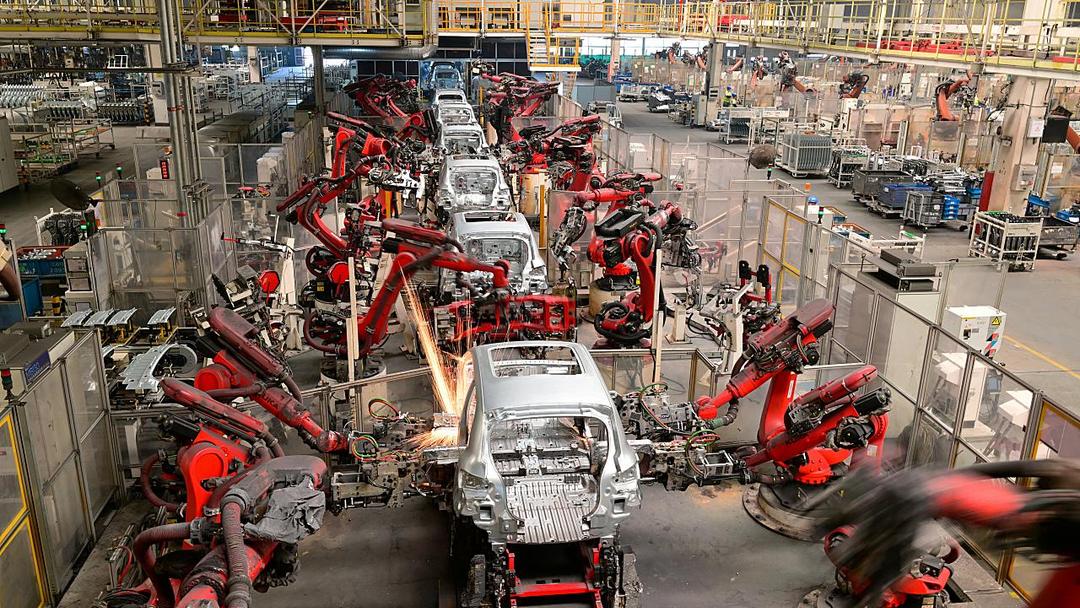
Tesla Cybercab Launches in Austin
The Facts
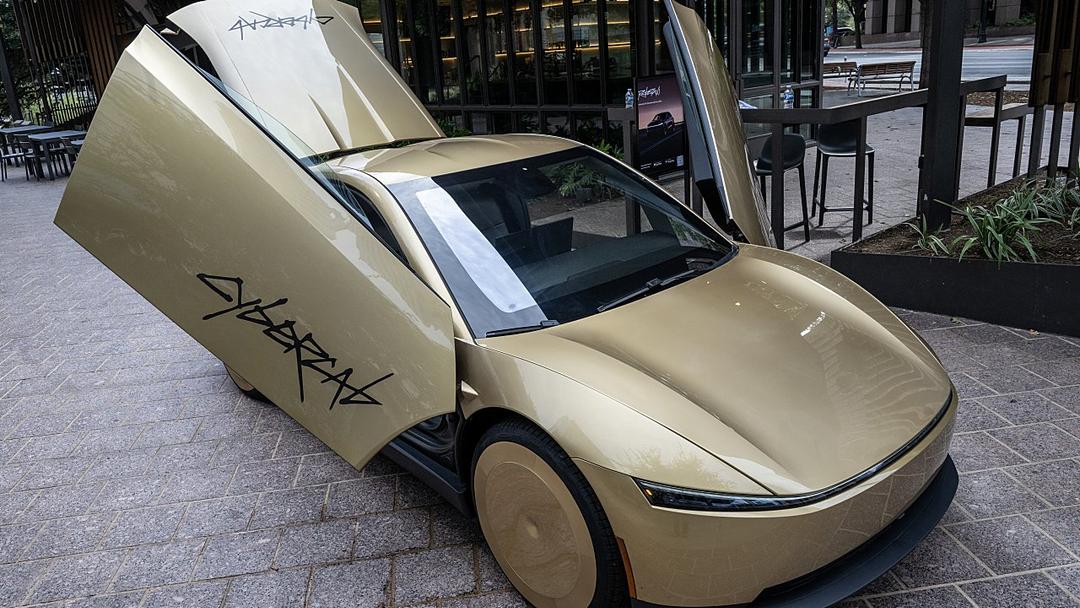
- Tesla launched its Cybercab robotaxi service in Austin, Texas, on Thursday, offering rides to the public in limited areas of the city. The two-seater vehicle, which has no steering wheel or pedals, was added to Tesla's Robotaxi fleet alongside existing Model Y vehicles.
- The National Highway Traffic Safety Administration (NHTSA) opened an investigation Friday into Tesla's Cybercab, examining the data and process Tesla used to self-certify the vehicle's compliance with Federal Motor Vehicle Safety Standards.
- Texas state records show Tesla had 45 Cybercabs among 420 autonomous vehicles registered in the state as of Thursday. Rival operator Waymo, the current U.S. leader in driverless taxis, had 988 autonomous vehicles registered in Texas, all retaining traditional steering wheels and pedals.




Sources Split
LEFT
CENTER
RIGHT
+1
+3
+2


+4
+1
ESTAB
CRIT
CENTER
PRO
ESTAB
The Spin
Techno-optimist narrative
The Cybercab launch marks a genuine turning point in how people get around — fully autonomous, no steering wheel, no driver, just a neural network making real-time decisions on real streets. Mass production is already underway, and the cost per mile undercuts every existing alternative, meaning access to on-demand transport is no longer a privilege. This debut marks the day transportation fundamentally changed forever.

Techno-skeptic narrative
The Cybercab is Tesla's fork-in-the-road moment — prove it can build a true robotaxi network, or expose itself as an automaker that overpromised on autonomy. Its Austin pilot remains tightly limited, its business model is still unclear, and scaling means solving manufacturing, software, regulatory and customer-trust hurdles. After years of autonomy promises, the Cybercab now has to show Tesla is more than a car company.

Establishment-critical narrative
NHTSA is holding autonomous vehicles to rules designed for human drivers, risking a regulatory roadblock just as the technology reaches the road. Its Cybercab audit could cap Tesla's deployment at 2,500 vehicles unless outdated brake-control standards are changed. With autonomous vehicles promising major safety gains, NHTSA should modernize its rules faster instead of making innovation wait on bureaucracy.

Pro-establishment narrative
NHTSA supports automated-vehicle innovation, but existing safety standards still apply. NHTSA's Cybercab investigation ensures Tesla's steering-wheel-free vehicle actually meets the safety standards already required of every automaker. Updating outdated rules can accelerate autonomous vehicle development, but until those rules change, no company gets to decide which laws apply to its technology.