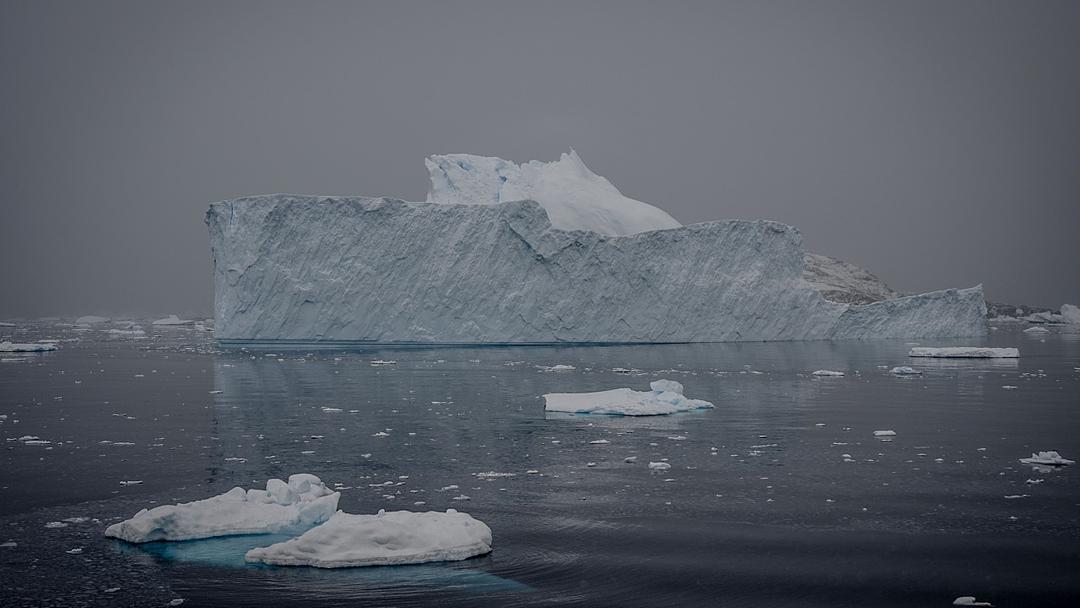
Study: Ice Sheets Lost 11.3 Trillion Tons Since 1979
The Spin
Climate-skeptic narrative
Trillions of tons sounds scary until you see the context: that loss is about 0.04% of the ice in Greenland and Antarctica, spread over 44 years. Earth has always cycled through icehouse and warm phases, with oceans rising 120 meters after the last glacial period without any human hand. The oceans hold roughly 90% of retained heat and buffer the planet, so panic is not physics.
Climate-concerned narrative
Antarctic sea ice fell off a cliff in 2015-16 and never recovered, and warm Circumpolar Deep Water is now creeping under the shelves and melting them from below. Hektoria Glacier retreated about 25 kilometers in roughly a year, thinning 80 meters annually — an order of magnitude faster than anything in the modern record. Percentages mean nothing to coastal cities going underwater.
Metaculus Prediction
Go Deeper
© 2026 Improve the News Foundation.
All rights reserved.
Version 7.16.0