Report: FIFA Delays Sanction Decisions Until After World Cup


The Facts
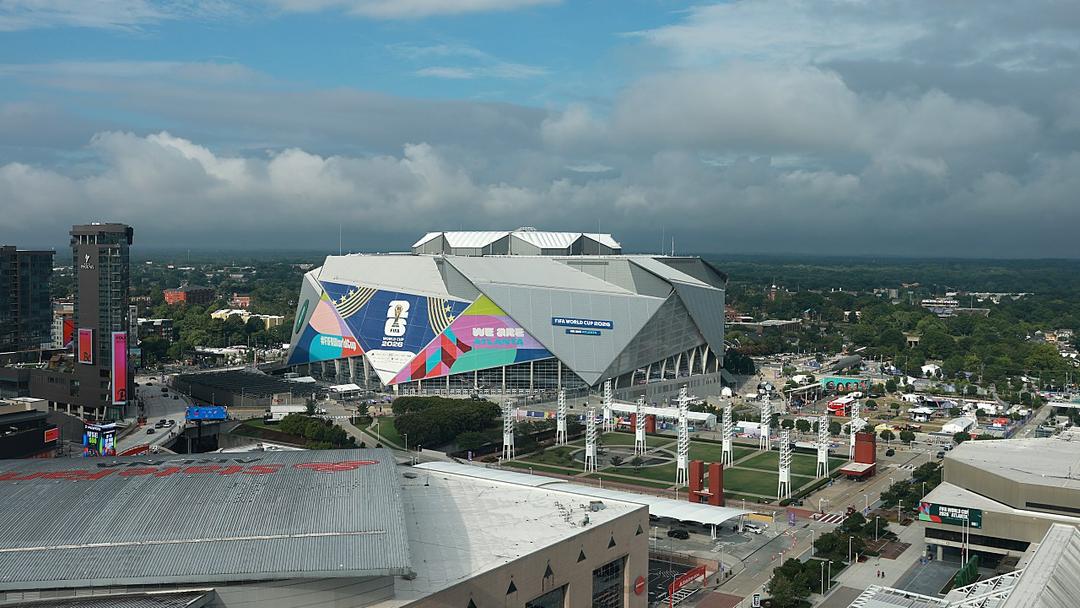
- FIFA reportedly plans to delay potential disciplinary decisions against players and coaches who criticized match officials at the 2026 World Cup until after the tournament concludes on July 19. Sources familiar with the matter say any sanctions will depend on referees' reports and other contributing factors.
- FIFA took a similar approach following the 2022 World Cup in Qatar, when the governing body sanctioned several member associations only after the tournament had ended. The organization has declined to comment publicly on any current or potential disciplinary proceedings.
- England coach Thomas Tuchel, Egypt coach Hossam Hassan and Switzerland defender Manuel Akanji are among those who could face sanctions for criticizing match officials during the tournament. In competitions such as the Premier League, such comments would typically result in immediate fines or touchline bans.


Sources Split
LEFT
CENTER
RIGHT
+1
+1
+3
+2
ESTAB
CRIT
CENTER
PRO
ESTAB
The Spin
Narrative A
FIFA's handling of the 2026 World Cup has been a masterclass in institutional cowardice — delaying sanctions for referee criticism while staying silent when Donald Trump pressured the organization to overturn Balogun's red card ban. A human rights group has filed an IOC complaint citing five breaches of political neutrality by Infantino, and the evidence is damning. Letting political interference slide while threatening coaches with post-tournament fines exposes FIFA as an organization that protects power, not the game.


Narrative B
FIFA's judicial bodies are independent and operate strictly under the FIFA Disciplinary Code — Gianni Infantino made that crystal clear when addressing the Balogun controversy. Delaying sanctions for referee criticism until after the tournament follows the same precedent set after the 2022 Qatar World Cup, making it a consistent and defensible policy. Accusations of bias against match officials aren't just wrong — they create real safety threats for referees and their families.


Metaculus Prediction
Public Figures
The Controversies

Go Deeper

© 2026 Improve the News Foundation.
All rights reserved.
Version 7.18.3