Pakistan Named World's Most Polluted Country in 2025
The Facts
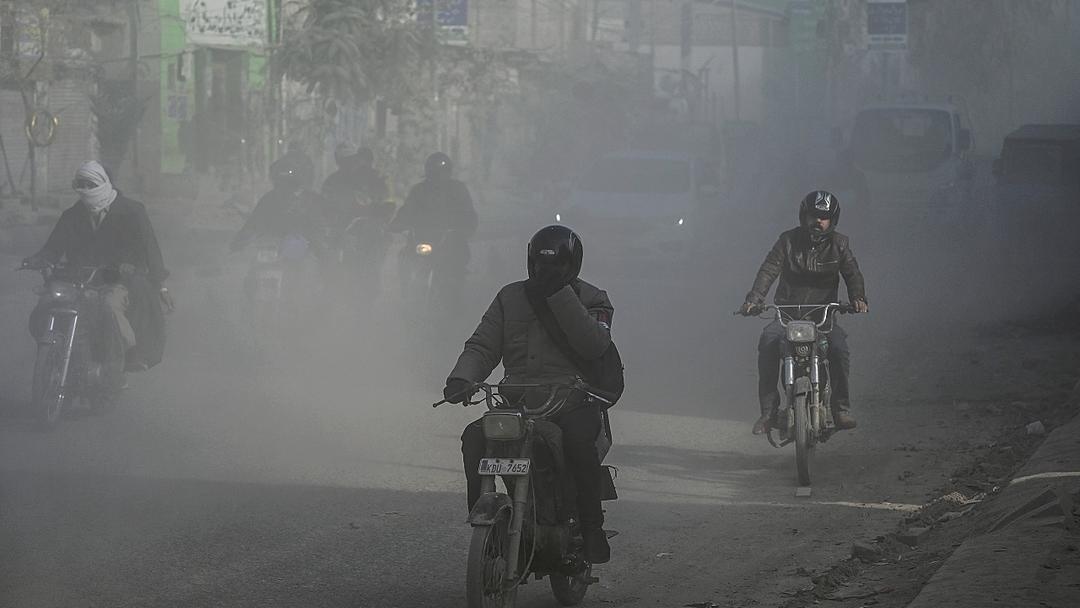
- According to the 2025 World Air Quality Report published by IQAir on Tuesday, Pakistan ranked as the world's most polluted country in 2025, with PM2.5 concentrations averaging 67.3 micrograms per cubic meter — up to 13 times the World Health Organization's recommended limit of 5 micrograms per cubic meter.
- Bangladesh and Tajikistan ranked second and third on the list of most polluted countries, while Loni, India, recorded the highest city-level PM2.5 average at 112.5 micrograms per cubic meter — more than 22 times the WHO guideline.
- Only 14% of global cities met the WHO's annual PM2.5 guideline in 2025, down from 17% the previous year. The world's 25 most polluted cities were all located in India, Pakistan and China.


Sources Split
LEFT
CENTER
RIGHT
+1


+2
+1

+3
ESTAB
CRIT
CENTER
PRO
ESTAB
The Spin
Narrative A
Air pollution is a global crisis driven by fossil fuel combustion, and tackling it is a win-win for public health and the climate. Cutting harmful pollutants like PM2.5 reduces disease and death while also slashing greenhouse gas emissions. Smart policy, cleaner industry and stronger regulations are the only real path forward.


Narrative B
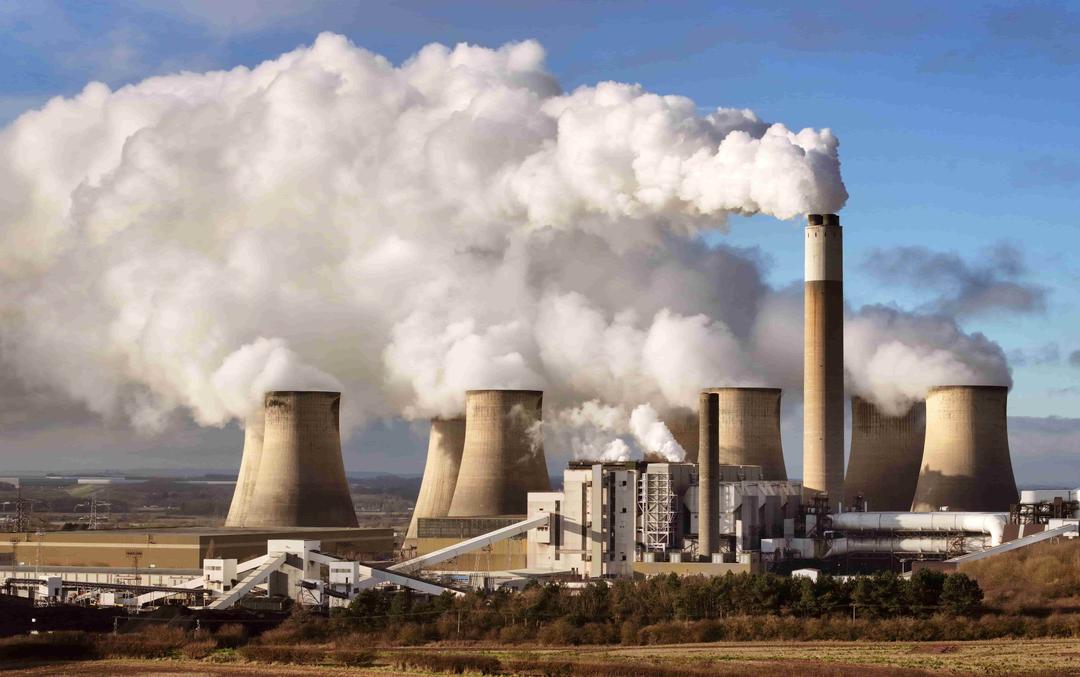
Pakistan topping the 2025 World Air Quality Report is a damning indictment of failed governance and unchecked fossil fuel dependence. South Asia's pollution crisis is systemic, not accidental, driven by weak enforcement, coal reliance and rampant vehicle emissions. Real reform demands coordinated action, not hollow pledges.
Narrative C
Air pollution metrics are often used to justify sweeping climate policies that overlook local realities. PM2.5 spikes frequently stem from natural variability, seasonal weather and urban density rather than fossil fuels alone — especially in poorer countries where energy poverty is a pressing concern. Overstating a global “crisis” risks misallocating resources, while targeted, local interventions may be more effective than broad decarbonization mandates.
Metaculus Prediction
The Controversies
Go Deeper
© 2026 Improve the News Foundation.
All rights reserved.
Version 7.18.3