US Probes Fatal Tesla Autopilot Crash in Texas
The Spin
Techno-optimist narrative
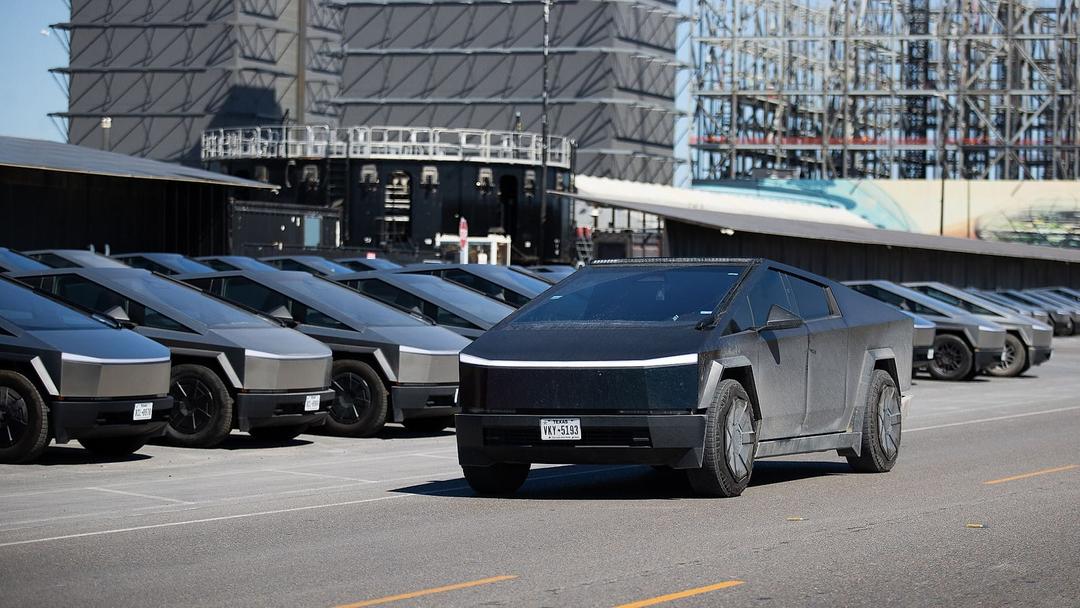
Tesla FSD is already roughly nine times safer than the average human driver, and the gap keeps widening. Reaction time, fatigue and distraction simply don't apply to an AI system and real-world drives through dense Los Angeles traffic back that up — FSD handles split-second lane changes that most humans would fumble. Rivian's own CEO admits the industry is chasing exactly what Tesla has already built.
Techno-skeptic narrative
Tesla's safety comparisons are built on flawed, self-reported data that excludes minor crashes, cherry-picks the safest road types and ignores the fact that Tesla drivers are already a lower-risk demographic. Autopilot safety figures have declined three quarters in a row, and the system's unpredictable mistakes demand constant vigilance — making the "Full Self-Driving" label dangerously misleading marketing.
Metaculus Prediction
Public Figures
The Controversies
© 2026 Improve the News Foundation.
All rights reserved.
Version 7.16.0