New COP31 Draft Deal Drops All Mention of Fossil Fuels
The Facts
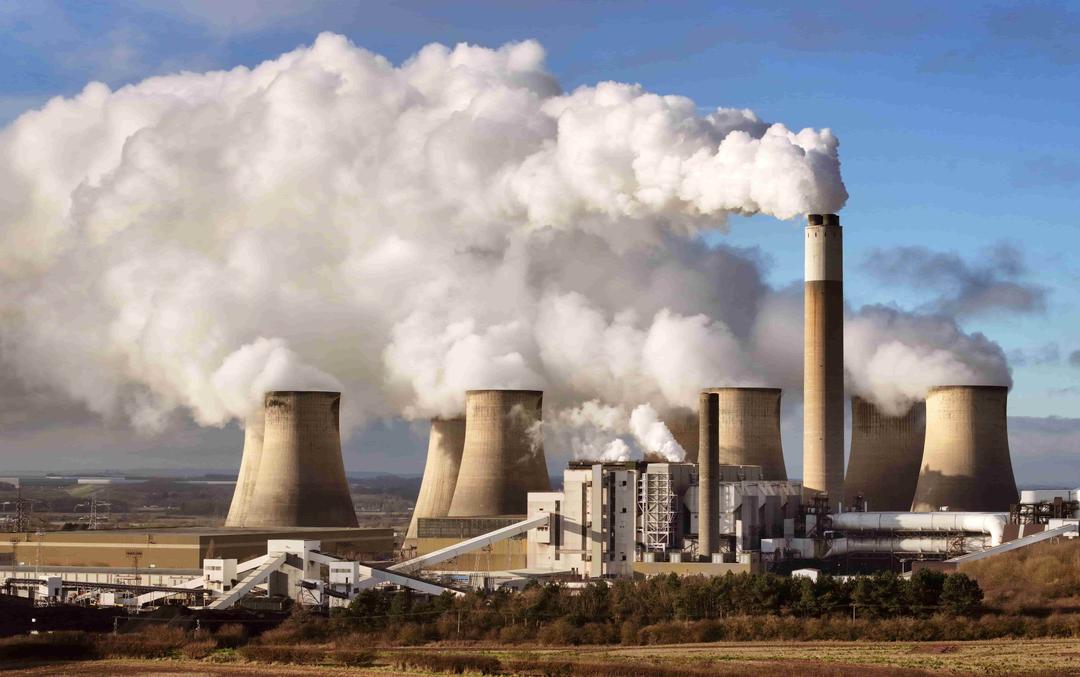
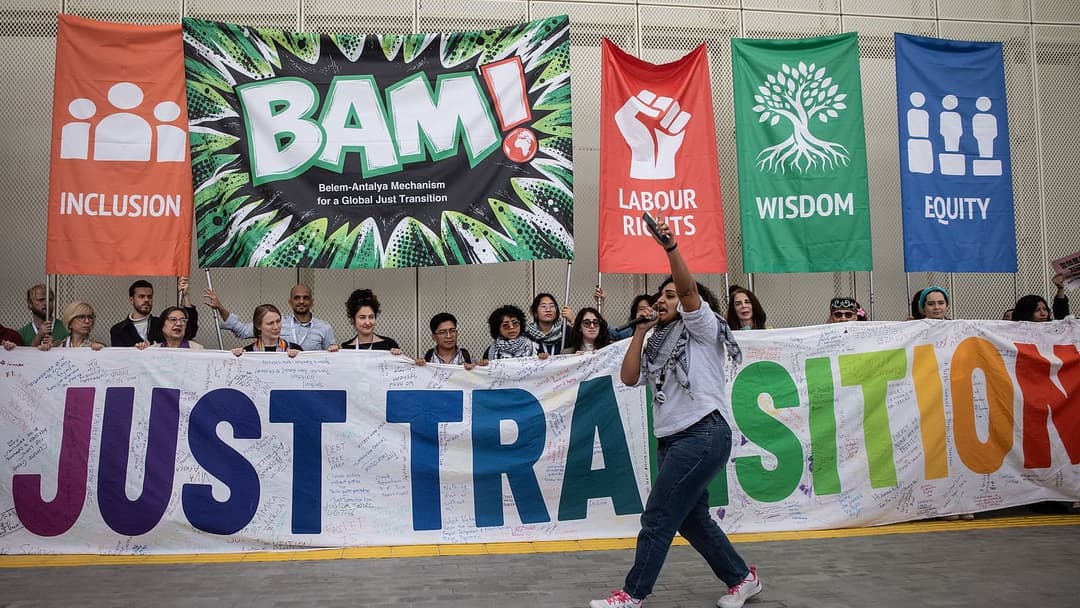
- COP31 co-host Australia published a revised draft deal Thursday that removed every mention of fossil fuels, including no reference to coal, oil or gas by name. The slimmed-down nine-page text contains 80 paragraphs, down from 144 on Monday.
- The revised draft drops the $120 billion-a-year adaptation finance goal sought by developing countries and instead proposes further discussions on tripling adaptation finance by 2035. Rich nations have cited budget constraints in resisting increases.
- A call to raise electricity to 35% of global final energy consumption by 2035, an initiative of host Turkey, remains in the text, listed alongside efforts to triple renewable energy capacity and double energy efficiency improvements by 2030.


Sources Split
LEFT
CENTER
RIGHT


+3

+1
+1
+1
ESTAB
CRIT
CENTER
PRO
ESTAB
The Spin
Climate-skeptic narrative
This is a rare victory for common sense. An unelected bureaucracy costing $70 billion annually perpetuates a permanent emergency, while a $275 trillion transition risks becoming history's largest wealth transfer, with carbon credits generating trillions by the 2040s. Energy decisions belong to voters and elected representatives, not 200,000 unelected bureaucrats.
Climate-concerned narrative
A climate deal that cannot explicitly name fossil fuels is one shaped by the very industries driving the crisis. Existing pledges already point towards 2.5°C of warming, and ignoring its primary cause only deepens the damage. Cutting emissions by 6% annually is essential, but giving polluting industries veto power risks derailing meaningful climate action.

Narrative C
With millions of Africans still lacking access to electricity and clean cooking, phasing out oil and gas could further deepen energy poverty and constrain economic development. Africa's energy future must prioritize affordable, reliable and accessible power, recognizing that energy security and industrialization require practical solutions rather than a one-size-fits-all approach.

Narrative D
The wealthiest bear responsibility for the climate crisis, yet ordinary people face its consequences. While billionaires and powerful elites maintain carbon-intensive lifestyles and protect their fortunes, the poorest suffer disproportionately. Climate accountability must start at the top, confronting concentrated wealth, excessive emissions and vested interests obstructing action.