NAZA


The Facts
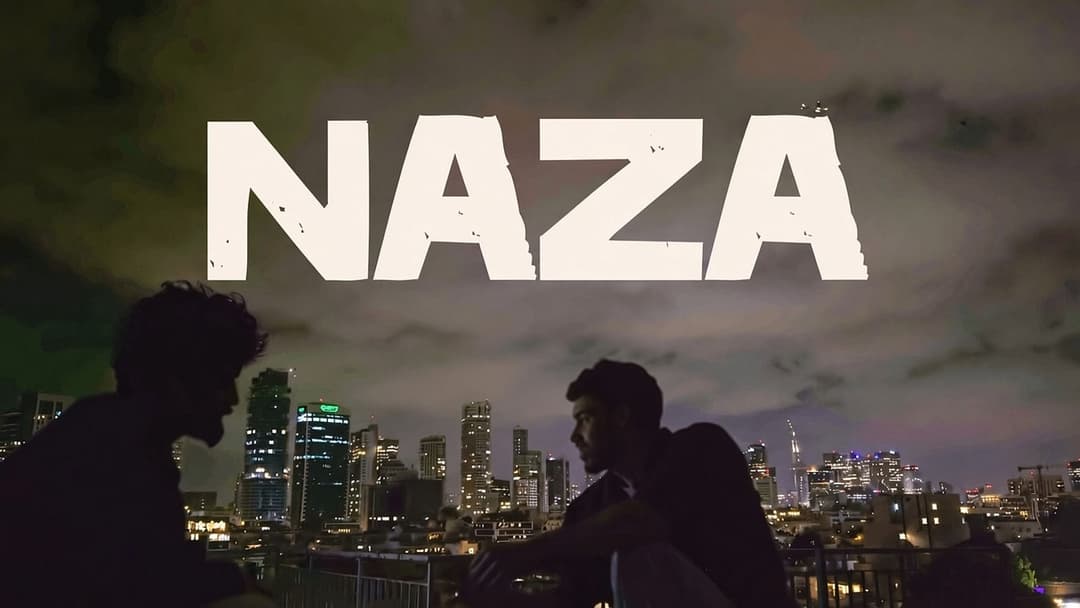
- Overview: "NAZA" is an 80-minute documentary that premiered Sept. 10, 2026, at the Venice Film Festival, directed by Israelis Yuval Abraham and Rachel Szor and produced by The Guardian. It features anonymous interviews with 24 Israeli military and intelligence sources, shot at night on Tel Aviv rooftops over three years, with faces shadowed and voices digitally altered. Its title comes from the Hebrew military acronym for "nezek agavi," or collateral damage.
- Context: The film builds on 2023–2025 investigative reporting by +972 Magazine, Local Call and The Guardian, including revelations about the IDF's use of an AI system called Lavender to compile targets in Gaza. Abraham and Szor previously co-directed "No Other Land" with Palestinian filmmakers Basel Adra and Hamdan Ballal, which won the 2025 Oscar for best documentary. "NAZA" arrives after more than 73,000 Palestinians have been reported killed in Gaza since the Oct. 7, 2023, Hamas attack, according to Gaza's Health Ministry, which does not distinguish civilians from combatants.
- Documentary's Claims: Abraham and Szor say their interviews reveal an institutionalized system in which anticipated civilian deaths were factored into strike approvals rather than treated as accidental. Interviewees describe civilian casualties as a calculated metric, known as NAZA, that helped determine the level of authorization required for an attack. The filmmakers say the film focuses on "orders, policies, and patterns of operation, not deviations from them," and describe the killings as premeditated rather than a byproduct of war.





Sources Split
LEFT
CENTER
RIGHT
+1
+5
+1
+1
+2


+2
ESTAB
CRIT
CENTER
PRO
ESTAB
The Spin
Anti-Israel narrative
What makes NAZA so devastating is not only what Israeli soldiers describe, but the reaction it has provoked in Israel. Twenty-four intelligence and firing officers expose a system in which Palestinian civilian life appears to receive little protection. The backlash against Yuval Abraham and Rachel Szor, including accusations of treachery, reveals an unwillingness to confront those accounts. The film ultimately forces a reckoning with how civilian deaths became normalized within Israel's conduct of the war in Gaza.
Pro-Israel narrative
NAZA mistakes a civilian-protection mechanism for evidence of intent. Estimating collateral damage can determine who may authorize a strike, which munition to use, whether warnings are needed or whether an attack must be canceled. The film's reliance on concealed witnesses of uncertain rank weakens sweeping claims about strategy, while its dark, accusatory style narrows a complex battlefield into a predetermined verdict. Any fair film would test those accounts against military and legal experts.


Pro-Palestine narrative
NAZA is a devastating indictment of the machinery of war, but its central reality is Palestinian suffering. Through Israeli soldiers' testimonies, the film shows how civilian deaths in Gaza can be reduced to numbers and procedures. Yet for Palestinians, who have spent years documenting the destruction of their homes and families, being heard cannot be the end of the story. If these accounts amount to admissions of war crimes, recognition must lead to accountability, not simply become a lens through which others examine Israeli society.