NASA Delays Moon Landing to 2028, Revamps Artemis Plan

The Facts
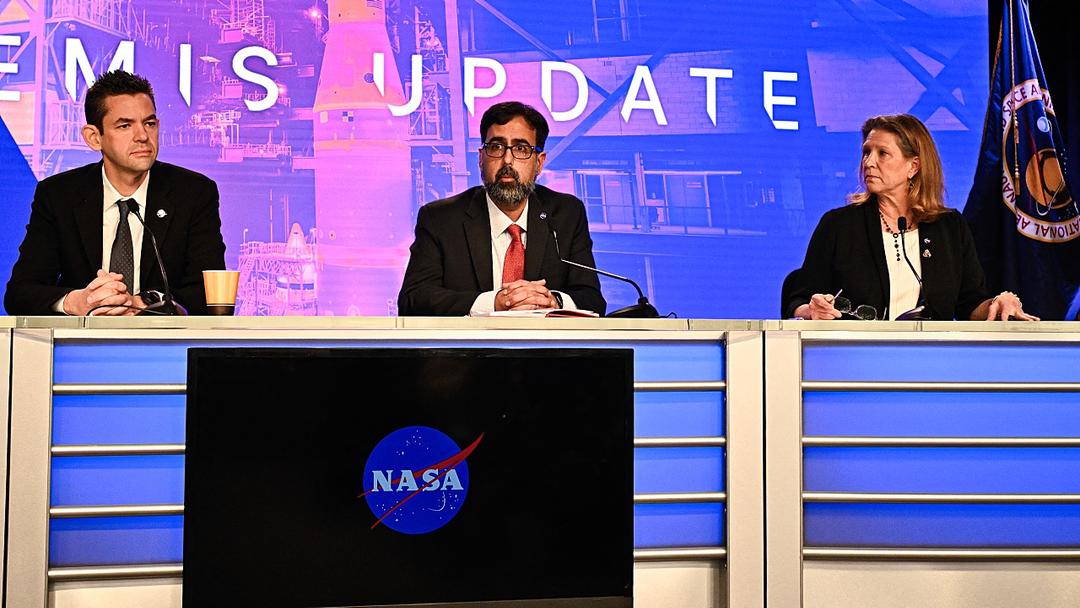
- NASA announced on Friday that the Artemis III mission will no longer land astronauts on the moon as originally planned, but will instead conduct tests in low Earth orbit in 2027, with the first lunar landing now scheduled for Artemis IV in 2028.
- The revised Artemis III mission will include a rendezvous and docking with one or both commercial lunar landers being developed by SpaceX and Blue Origin, along with tests of life support systems, communications, propulsion systems and new spacesuits.
- NASA Administrator Jared Isaacman said the agency plans to raise launch cadence from once every three years to approximately once every 10 months by standardizing the Space Launch System (SLS) “Block 1” configuration and pad systems. Officials said the phased test approach is intended to avoid mid-program upgrades and reduce integration and production risk before committing crews to lunar landings.


Sources Split
LEFT
CENTER
RIGHT
+1


+1
+3


+1
+1
ESTAB
CRIT
CENTER
PRO
ESTAB
The Spin
Pro-establishment narrative
NASA isn’t “canceling” a landing, it’s inserting a proven Apollo-style test step to reduce risk and fly more often. Standardizing the Space Launch System and validating landers and suits in orbit builds real flight experience, enabling two lunar landing attempts in 2028 and annual missions after. Higher cadence, simpler hardware and incremental testing strengthen safety and make a sustained return to the moon achievable as the U.S. seeks to stay ahead of China’s lunar timeline.
Establishment-critical narrative
NASA’s shift of Artemis III to an Earth-orbit test is being spun as a cautious, risk-reduction step, but it’s a major setback. The first lunar landing is now pushed to 2028, Artemis II is already delayed, and costly technical challenges persist. Meanwhile, China is rapidly advancing crewed lunar hardware and infrastructure, planning two spaceflights in 2026 and targeting a first manned landing before 2030, making clear the U.S. is losing its uncontested lead in the moon race.