Mount Dukono Eruption Kills 3 Hikers in Indonesia
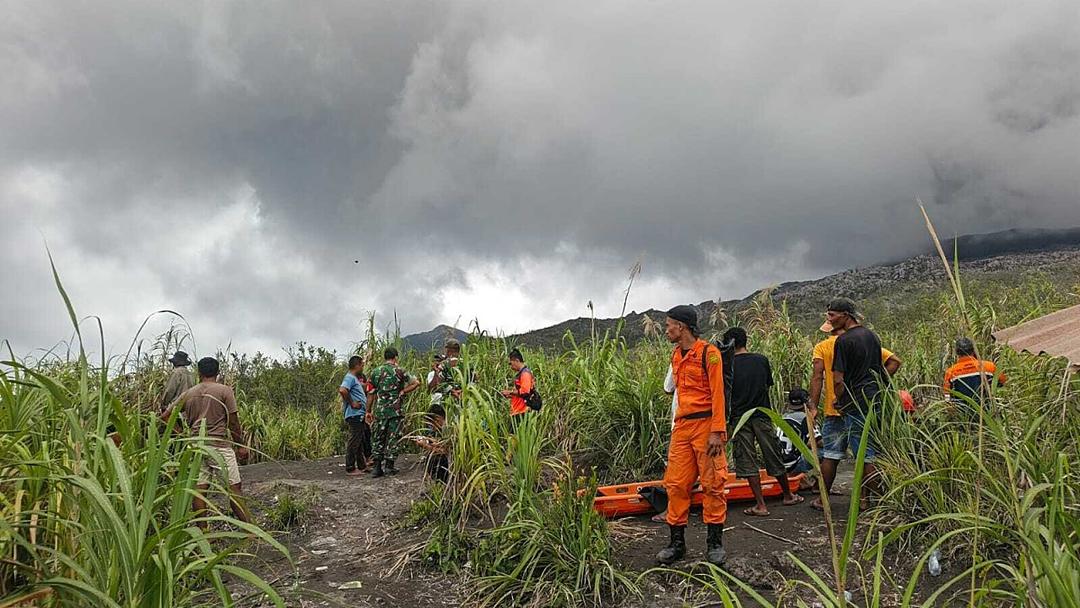
The Spin
Climate-concerned narrative
Climate change is actively reshaping volcanic hazards worldwide, and the evidence is hard to ignore. Rising temperatures drive extreme rainfall that increases pore pressure in volcanic rock, hastening eruptions and triggering lahars at over 700 volcanoes globally. Protecting glaciers and cutting emissions isn't just environmental policy — it's the difference between manageable geological risk and accelerating catastrophe.
Climate-skeptic narrative
Indonesia's volcanic activity is driven by deep tectonic forces along the Ring of Fire, not climate change. Subduction zones have been generating magma and eruptions for millions of years, and experts are clear that volcanic eruptions and earthquakes are independent of anthropogenic causes. Attributing routine geological cycles to global warming misrepresents the science and distracts from real hazard preparedness.
Narrative C
Traveling inside Dukono's active exclusion zone was never an adventure; it was trespassing against repeated warnings. Authorities warned climbers to stay away, yet crowds kept entering the volcano's forbidden slopes until disaster finally struck. Volcanoes are not attractions pretending to be dangerous; they are dangerous by nature — powerful, unpredictable systems capable of ending lives within seconds. This tragedy stands as a reminder that exclusion zones exist to protect lives.
Metaculus Prediction
Go Deeper
© 2026 Improve the News Foundation.
All rights reserved.
Version 7.6.0