Mount Dukono Eruption Kills 3 Hikers in Indonesia
The Facts
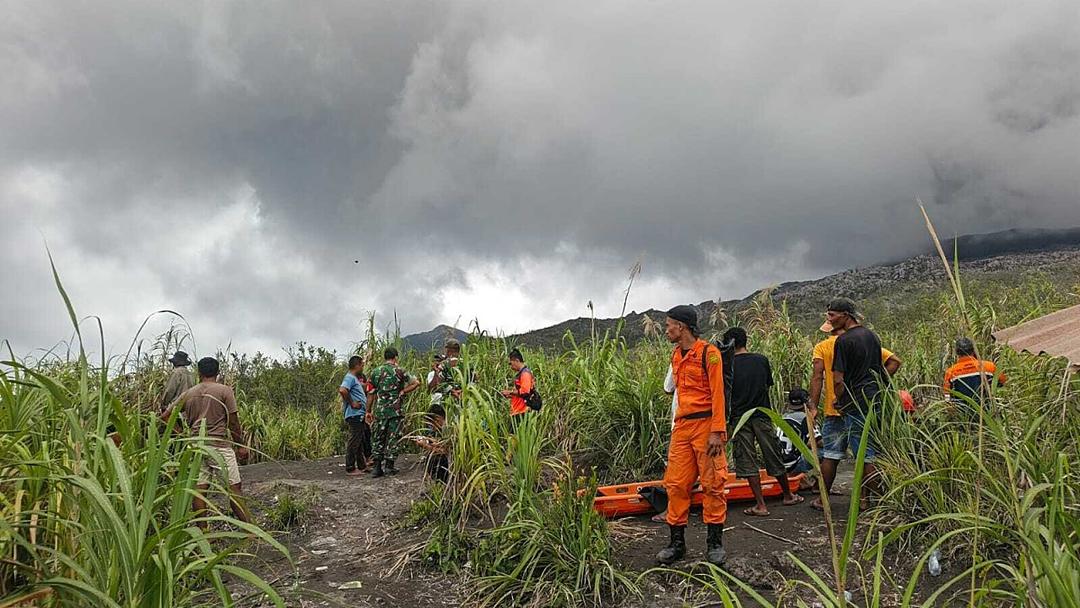
- Three hikers — two Singaporeans and an Indonesian national — were killed after Mount Dukono on Indonesia's Halmahera Island erupted at 7:41 a.m. local time on Friday, sending an ash column roughly 10 kilometers (6.2 miles) into the sky. Seventeen of the 20 hikers on the slopes were evacuated safely.
- Indonesia's National Disaster Mitigation Agency said five climbers were injured in the eruption, adding that evacuation efforts were hampered by difficult terrain, volcanic ash and the ongoing risk of further eruptive material. Rescue teams included police, military personnel and local residents.
- Search operations were suspended at nightfall due to the risk of further eruptions and were set to resume the following morning. The bodies of the three deceased remained on the mountain; two porters from the hiking group stayed behind to help rescuers locate them.


Sources Split
LEFT
CENTER
RIGHT
+1
+1

+1
+5
+2
ESTAB
CRIT
CENTER
PRO
ESTAB
The Spin
Climate-concerned narrative
Climate change is actively reshaping volcanic hazards worldwide, and the evidence is hard to ignore. Rising temperatures drive extreme rainfall that increases pore pressure in volcanic rock, hastening eruptions and triggering lahars at over 700 volcanoes globally. Protecting glaciers and cutting emissions isn't just environmental policy — it's the difference between manageable geological risk and accelerating catastrophe.

Climate-skeptic narrative
Indonesia's volcanic activity is driven by deep tectonic forces along the Ring of Fire, not climate change. Subduction zones have been generating magma and eruptions for millions of years, and experts are clear that volcanic eruptions and earthquakes are independent of anthropogenic causes. Attributing routine geological cycles to global warming misrepresents the science and distracts from real hazard preparedness.


Narrative C
Traveling inside Dukono's active exclusion zone was never an adventure; it was trespassing against repeated warnings. Authorities warned climbers to stay away, yet crowds kept entering the volcano's forbidden slopes until disaster finally struck. Volcanoes are not attractions pretending to be dangerous; they are dangerous by nature — powerful, unpredictable systems capable of ending lives within seconds. This tragedy stands as a reminder that exclusion zones exist to protect lives.


Metaculus Prediction
Go Deeper


© 2026 Improve the News Foundation.
All rights reserved.
Version 7.17.1